Introduction: Why Apprenticeship Compliance Software Matters in 2026
Since 2023, apprenticeship programs have faced a tougher compliance environment. IRA projects, prevailing wage rules, and stricter audits mean that missing hours, unclear ratios, or weak documentation can now threaten funding, tax credits, and reputation.
Apprenticeship compliance software is a specialized form of apprenticeship management and management software built for registered apprenticeship, prevailing wage, and IRA compliance. It is different from a generic HR system because it tracks OJT hours, related technical instruction, apprentice ratios, wage progression, documentation, and compliance reporting in one system. Contractors managing apprentices across job sites can learn more in our guide to apprenticeship management software for contractors.
Too many employers, contractors, training providers, apprenticeship providers, and sponsors still rely on spreadsheets, email, and disconnected existing systems. That manual tracking may work for a very small apprenticeship program, but it breaks down quickly when multiple stakeholders need accurate data.
This article explains how the right apprenticeship management software reduces risk, supports audits, improves outcomes, and keeps key stakeholders aligned across IRA projects and other funded work.

Table of Contents
- The High Cost of Manual Apprenticeship Compliance
- How Apprenticeship Compliance Software Work
- Key Features to Look for in Apprenticeship Compliance Software
- IRA Compliance, Prevailing Wage, and Registered Apprenticeships
- Coordinating Multiple Stakeholders and Existing Systems
- How to Choose and Implement a Great Platform
- Why Choose Our Apprenticeship Management & Compliance Platform
- Frequently Asked Questions About Apprenticeship Compliance Software
- Conclusion & Next Steps
The High Cost of Manual Apprenticeship Compliance
A typical contractor loses 10–15 admin hours per week chasing logs, signatures, and payroll details for a single registered apprenticeship program. Across multiple trades and job sites, that time adds up fast.
Tracking OJT, related instruction, ratios, learner progress, and pay in spreadsheets creates avoidable errors. Records get overwritten, signatures go missing, and staff struggle to prove that apprentices met apprenticeship standards over several years.
Apprenticeship compliance is not just DOL reporting. To maintain compliance with the Department of Labor’s apprenticeship regulations, programs must adhere to requirements such as registration, audits, and ongoing reporting. Compliance reporting is essential for any apprenticeship program receiving federal or state funding, ensuring that all necessary data is collected and submitted accurately.
Failure to comply with apprenticeship regulations can lead to significant consequences, including failed audits, loss of funding, and damage to the program’s reputation. The Department of Labor recovered more than $250 million in back wages in FY 2025 alone, showing how expensive weak records can become.
Main risks include:
- Missing OJT hours, RTI records, and approvals
- Inaccurate ratios, classifications, and wage increases
- Delayed reimbursements, penalties, or funding issues
- Poor visibility into completion rates and program success
How Apprenticeship Compliance Software Works
Apprenticeship compliance software centralizes apprentice records, automates tracking, and organizes proof for audits. Using specialized software for apprenticeship management automates tasks, reducing manual mistakes and saving time, while simplifying compliance reporting and making audits more efficient.
The core data model is simple: apprentices, sponsors, employers, occupations, job sites, wage progression, training, documentation, and hours live in one platform. Effective progress tracking in apprenticeship programs requires the ability to log hours worked towards specific competencies, ensuring apprentices meet learning objectives and track their progression accurately.
The workflow follows the apprentice’s journey: application, enrollment, assigned apprenticeship standards, OJT logging, related technical instruction, mentor reviews, evaluations, and completion. Automated workflows in apprenticeship software can streamline the application process and enhance the apprentice experience by providing personalized journeys as they progress through the program.
Dedicated apprenticeship software enables real-time tracking of OJT hours and RTI, providing instant visibility into apprentice progress and potential issues.
Centralized communication and automated reminders for logging hours or completing assignments can help maintain accountability and ensure apprentices stay on track with their progress in apprenticeship programs. Digital timelines and progress transparency boost completion metrics for apprentices.
Behind the scenes, the software helps teams:
- validate hours, ratios, and missing approvals
- track progress against competencies and milestones
- generate reporting for audits, funding, and outcomes
- provide mobile access for field supervisors and apprentices
Key Features to Look for in Apprenticeship Compliance Software
Not every apprenticeship management tool is built for compliance. The key features should support tracking, reporting, wage rules, program structure, and daily use in the field.
Look for OJT and RTI tracking, compliance automation, reporting dashboards, integrations, and a user experience simple enough for supervisors and apprentices. Effective apprenticeship software should include mobile access, enabling apprentices to log hours and track progress from any device, which enhances engagement and accountability.
Compliance-specific functionality matters. The platform should monitor apprentice-to-journeyworker ratios, store sign-offs and certificates, maintain audit-ready histories, and trigger alerts before small issues become gaps.
Strong platforms support single-employer, group, and multi-state registered apprenticeship program models. Configurable templates track skills and Knowledge, Skills, and Behaviors (KSBs) mapped to trade-specific requirements. Automated alerts trigger wage increases when apprentices hit specific hour or competency milestones.
Robust reporting capabilities are essential in apprenticeship software, allowing for compliance reporting and outcomes tracking, which helps assess program health and identify barriers to completion. Live dashboards provide decision-makers with insights on retention rates, time-to-proficiency, and program ROI. Tools exist to collect, organize, and report demographic information for federal workforce equity reviews.
IRA Compliance, Prevailing Wage, and Registered Apprenticeships
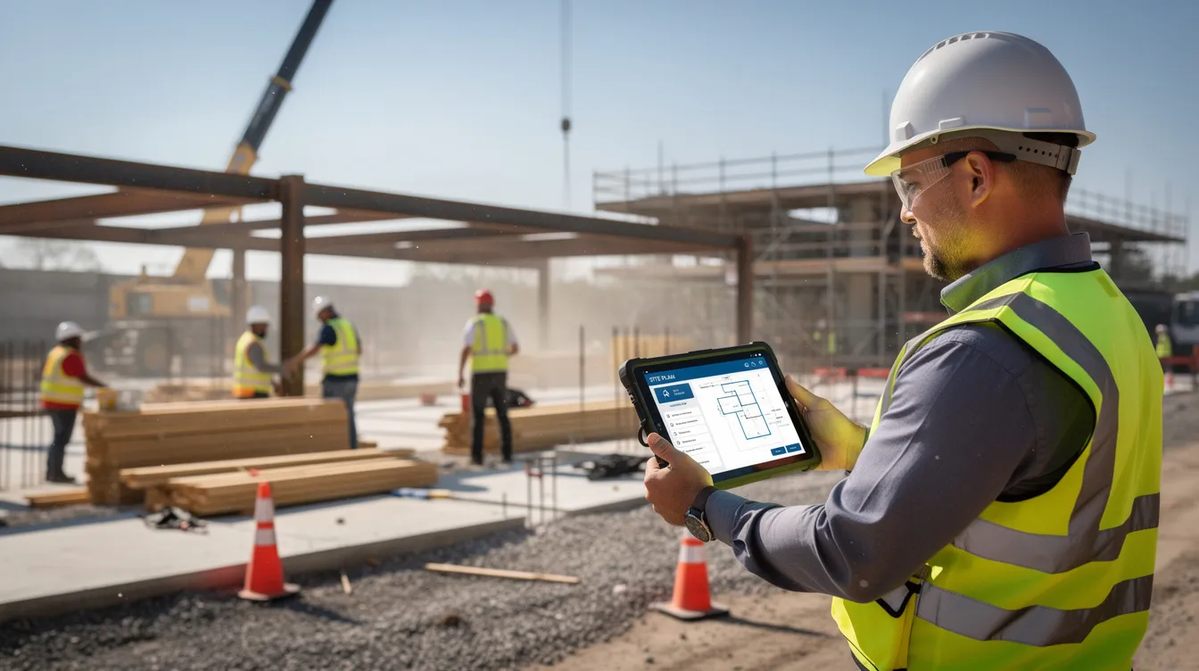
The Inflation Reduction Act tied valuable clean-energy tax incentives to prevailing wage and apprenticeship requirements. For many projects beginning in 2024 or later, registered apprentices must perform at least 15% of qualified labor hours, and ratio and participation rules must also be documented.
For IRA compliance, apprenticeship compliance software helps teams connect apprentice hours, classifications, wage progression, and job-site activity to specific IRA projects. It gives the business an audit trail instead of a last-minute scramble.
Prevailing wage tracking means linking employees and apprentices to classifications, rates, fringes, and pay records. The software should flag potential underpayment before or after payroll so contractors can correct issues quickly.
The platform does not replace legal advice. It provides the data: time records, classifications, apprentice status, mentor assignments, corrections history, and evidence that the registered apprenticeship rules were followed.
For IRA and prevailing wage compliance, track:
- project ID, start date, and placed-in-service date
- contractor and subcontractor relationships
- apprentice participation by labor classification
- wage rates, fringe benefits, ratios, and hours
Coordinating Multiple Stakeholders and Existing Systems
Apprenticeships involve employers, sponsors, schools, unions or non-union contractors, payroll providers, auditors, and other stakeholders. Centralized oversight reduces confusion by giving everyone the same source of truth.
A single management software platform can provide role-based dashboards and permissions. Role-based interfaces provide dashboards for apprentices, mentors, and employer partners, while administrators manage compliance, reporting, and program progress.
Integrations with existing systems such as HRIS, payroll, LMS, project management tools, and timekeeping systems reduce double entry. Dedicated apprenticeship software centralizes communication, reducing reliance on scattered emails and phone calls, which enhances productivity and minimizes confusion among stakeholders.
Centralized communication and tracking within apprenticeship management systems can reduce administrative burdens and improve stakeholder collaboration, leading to better program outcomes. In 2026, security expectations should include SSO, MFA, role-based access, and audit logs showing who changed what and when.
Key stakeholder views include:
- Apprentice: hours, assignments, learner progress, and next milestones
- Supervisor: approvals, competency checks, and alerts
- Sponsor: standards, completion data, and employer performance
- Compliance lead: audits, funding reports, and key metrics

How to Choose and Implement a Great Platform
Selecting apprenticeship management software is a strategic move because it affects compliance, workforce planning, delivery methods, and future growth. Effective apprenticeship management requires understanding the specific needs of the program, including funding sources and tracking requirements, to ensure compliance and operational efficiency.
Start by defining requirements. Include compliance, reporting, integrations, data migration, mobile workflows, apprenticeship standards, and support for your current programs.
A practical selection process looks like this:
- Document must-haves, nice-to-haves, costs, and internal owners.
- Run demos using real apprentices, occupations, and funding scenarios.
- Ask how the solution handles audits, ratio rules, wage progression, and other providers.
- Plan data migration for hours, pay history, RTI, and documents.
- Pilot one cohort before rolling the platform across all apprenticeships.
A realistic implementation often takes 8–16 weeks. That includes configuration, import, training, testing, and a launch plan for apprentices, mentors, employers, and administrators.
Switching from spreadsheets and manual tracking to specialized apprenticeship management software can significantly streamline operations and support program scaling, maintaining compliance, and staying future-ready in an evolving workforce landscape.
Why Choose Our Apprenticeship Management & Compliance Platform
Our solution is built for organizations that need more than basic recordkeeping. It is designed to manage registered apprenticeship workflows, support apprenticeship compliance, and help teams ensure compliance across complex programs.
Choose our platform for:
- Deep support for registered apprenticeship program structures, standards, competencies, and completion tracking
- Built-in tools for prevailing wage, IRA projects, wage progression, and compliance checks
- Faster reporting cycles that can reduce monthly reporting prep from days to hours
- Centralized data, communication, and access for key stakeholders
- Guided onboarding to map your program rules, forms, and processes into the software
- Responsive support from a team focused on practical outcomes, not generic technology, regardless of program complexity
If you want a great platform that improves visibility, reduces risk, and supports program growth, request a walkthrough tailored to your apprenticeships.
Ready to see it in action? Schedule a demo with your team.
Want to Learn More About Your Registered Apprenticeship Opportunities?
BOOK A FREE CONSULTATION
Frequently Asked Questions About Apprenticeship Compliance Software
Do we need apprenticeship compliance software if we only have one small program?
If you have 5–10 apprentices and simple requirements, spreadsheets may work for a short time. But once funding, audits, prevailing wage, or multiple employers are involved, specialized software improves accuracy and efficiency.
How does the software support a registered apprenticeship program versus informal training?
A registered apprenticeship program must follow approved standards, wage progression, RTI, OJT, and reporting rules. The system helps document those requirements instead of simply tracking a course or informal training activity.
Can the system help us stay audit-ready for IRA projects and prevailing wage requirements?
Yes. It organizes hours, classifications, ratios, pay details, apprentice status, and approvals so your team can respond faster during audits.
How does this integrate with our existing systems like payroll and LMS?
A strong platform connects with payroll, HRIS, LMS, and project tools so data stays aligned. This reduces duplicate entry and helps teams manage compliance without rebuilding every process, while improving data availability across departments.
What kind of training do staff and mentors need to get started?
Most teams need role-specific training for admins, mentors, supervisors, and apprentices. The focus should be logging hours, approving work, reviewing dashboards, and fixing exceptions.
How do multiple stakeholders access the system?
Employers, sponsors, schools, mentors, and auditors can receive permission-based access. Each group sees the information needed for their role without exposing unrelated data.
How is apprentice data kept secure and compliant with privacy expectations?
Security should include MFA, SSO, permission controls, encryption, and audit logs. The platform should also limit access to sensitive apprentice and employee records.
Conclusion & Next Steps
Modern apprenticeship compliance software reduces risk, improves data quality, and gives leaders a clearer view of apprentices, hours, funding, costs, and completion. It also helps teams move from reactive paperwork to proactive program management.
Digitizing apprenticeship compliance today positions contractors, employers, and sponsors to win and deliver more IRA projects and public-funded work over the next decade. As regulations evolve through 2030, the right platform will help your company stay ready.
Ready to evaluate your current process? Schedule a demo or request a compliance readiness assessment to see how much time your team can reclaim.


