Table of Contents
- Introduction: Why Apprenticeship Management Software Matters in 2026
- What Is Apprenticeship Management Software?
- Core Features & Benefits of Apprenticeship Management Software
- How Apprenticeship Management Software Works Day-to-Day
- Use Cases and Industries Leveraging Apprenticeship Management Software
- How to Choose the Right Apprenticeship Management Platform
- FAQs About Apprenticeship Management Software
- Conclusion: Building Sustainable Apprenticeship Programs with the Right Tools
Introduction: Why Apprenticeship Management Software Matters in 2026
Between 2020 and 2026, registered apprenticeship programs in the US expanded dramatically, while the UK Apprenticeship Levy continued driving employers toward structured work based learning programs. This growth created an urgent problem: organizations still managing apprentices through spreadsheets, email chains, and paper timesheets simply couldn’t keep up.
Apprenticeship management software solves this by centralizing scheduling, tracking hours, managing competencies, compliance reporting, and communication into one platform. Tech-enabled apprenticeship programs are attractive to younger, tech-savvy generations, indicating a modern investment in development. This guide focuses on practical workflows and outcomes—not feature lists—written for employers, training providers, and workforce agencies running apprenticeship training programs.

What Is Apprenticeship Management Software?
Apprenticeship management software is designed to manage the entire apprenticeship training lifecycle, including onboarding, tracking hours, organizing training sessions, and documenting outcomes for regulatory reporting. It spans recruiting, on-the-job learning (OJL), related technical instruction (RTI), wage progressions, and completion.
Unlike generic HRIS or LMS tools, this management software handles the unique entities apprenticeships require: apprentices, employer partners, mentors, instructors, class sessions, OJT tasks, competencies, and funding records. Day-to-day actions include logging hours, approving competencies, scheduling workshops, and generating RAPIDS or ESFA reports. If you’re newer to the field, it helps to start with the core apprenticeship meaning: paid work paired with structured training toward a recognized credential.
The use of apprenticeship management software can help organizations avoid the inefficiencies of managing multiple disconnected tools, enabling a more cohesive and efficient program management experience. In 2026, many programs blend remote RTI with in-person OJL—modern platforms support this hybrid delivery seamlessly. Think of it as the operating system for your apprenticeship ecosystem.
Core Features & Benefits of Apprenticeship Management Software
This section provides a high-level walkthrough of capabilities that directly impact program outcomes across stakeholder groups.
Scheduling and Program Orchestration handles the complexity of multi-month programs spanning RTI classes and OJT tasks across multiple sites. Features include recurring session templates, prerequisite rules, and automated instructor assignment. Tools optimize the use of trainers and facilities by identifying scheduling conflicts and underutilized resources. Using a training management system can automate training scheduling and communication tasks, such as sending automatic email notifications for session changes, which reduces the need for manual follow-ups.
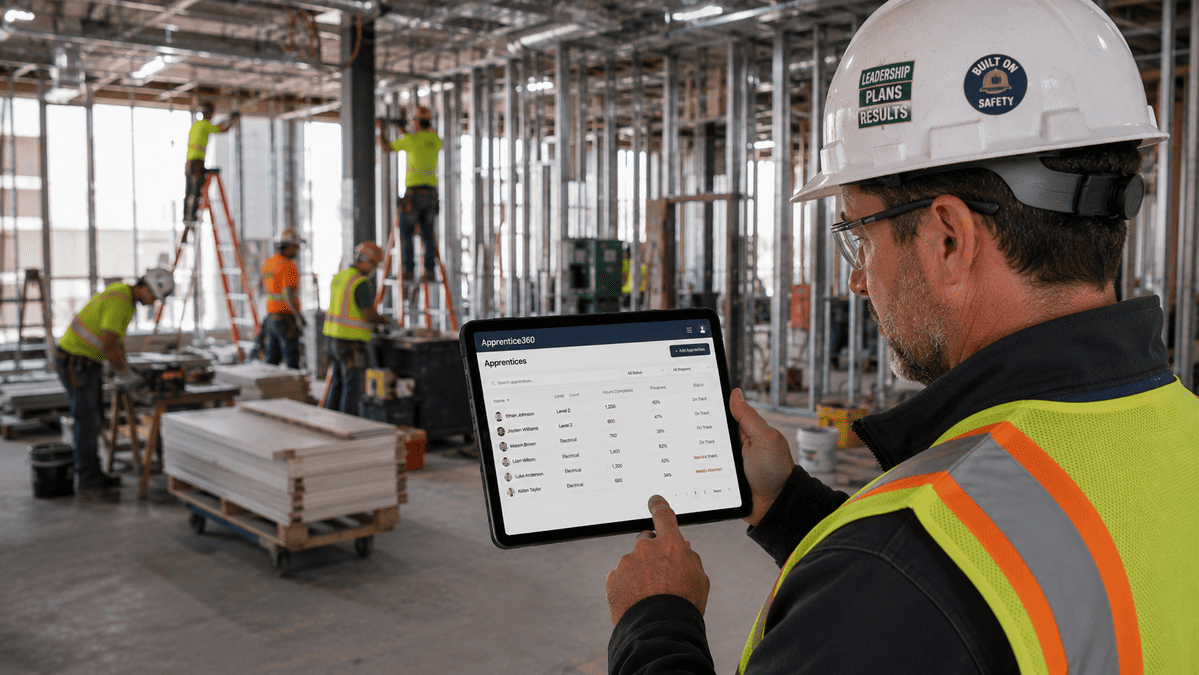
Apprentice Tracking, Competencies, and Wage Progression gives each apprentice a live profile showing OJT hours, RTI completions, competencies signed off, and wage step eligibility. Apprentices can log on-the-job training and related technical instruction hours from any device, often via mobile apps. Automated triggers alert managers when wage progression thresholds are reached—reducing disputes and simplifying compliance audits.
Compliance, Funding, and Audit Readiness addresses regulatory requirements for US Department of Labor registered apprenticeship (RAPIDS/ARRA data) and UK ESFA standards. Centralized digital records reduce compliance risks by ensuring data is accurate and readily available for audits. Automated platforms aggregate data into downloadable forms that meet state requirements and federal reporting requirements. Effective compliance tracking in apprenticeship programs requires integration of education, training, and employment data to meet regulatory standards.
Communication and Engagement tools include announcements, direct messaging, and feedback requests that support cohort identity and learner progress visibility. Apprenticeship management platforms can streamline program management by eliminating unnecessary back-and-forth emails and switching between tools, thus reducing administrative work.
Analytics and ROI Measurement through dashboards provide real-time visibility into completion rates and skills attainment, allowing for early identification of struggling apprentices. Many systems offer customizable dashboards that allow organizations to track progress of apprentices and measure program ROI. This data connects directly to decisions about scaling high quality apprenticeships.
How Apprenticeship Management Software Works Day-to-Day
Setting Up a New Program
Configuration follows a guided sequence: define occupation and standards, configure OJT and RTI requirements, add wage steps, and set compliance rules. Automating essential elements of apprenticeship management can significantly reduce the time spent on tasks such as writing job descriptions and scheduling wage progressions. What once took months of document drafting now takes days with template-driven wizards.
Running Cohorts and Managing Multiple Employers
Cohorts are created with defined start/end dates, assigned mentors, and linked to specific employers. Using a centralized platform for apprenticeship management can significantly reduce the time spent on administrative work, with each apprentice representing approximately 10 hours of tracking and reporting. Employer dashboards provide visibility into their apprentices’ progress without exposing other organizations’ data. Trade programs show why this matters: a welding apprenticeship can run for several years, with a large number of OJT hours to log and verify.
Automation of Routine Tasks
Effective apprenticeship platforms provide features for automating training scheduling and communication tasks, which helps in managing sessions efficiently and reduces manual follow-ups. Automation minimizes administrative burdens by automating tasks like attendance tracking and certificate issuance. Streamlining program management through automation can eliminate unnecessary back-and-forth emails and switching between tools, saving time on day-to-day administrative tasks.
Use Cases and Industries Leveraging Apprenticeship Management Software
Training Providers and Colleges
Community colleges and apprenticeship providers manage multiple employer clients and hundreds of learners simultaneously. Branded portals for each client improve professionalism around schedules and completion outcomes. Integration with student information systems ensures apprenticeship records align with academic transcripts.
Employers Building Internal Talent Pipelines
Medium and large employers use the software to address talent shortages in roles like software development or maintenance. HR teams align apprenticeship pathways with internal job architectures. Managers use reports to compare apprentice achievements and retention against traditional hires—data that justifies continued investment to leadership.
Workforce Development Boards and Public Agencies
Public-sector sponsors coordinate multi-employer, multi-occupation programs with strict reporting to funders. Standardization ensures a consistent experience for all learners by standardizing communications, documents, and success metrics. Shared access for agencies, colleges, and employers reduces duplication and improves transparency across the community.
How to Choose the Right Apprenticeship Management Platform
Essential Questions to Ask Vendors
| Category | Key Questions |
|---|---|
| Compliance | Does the system support DOL RAPIDS, UK ILR/ESFA, or your state requirements? |
| Migration | What tools and support exist for importing from spreadsheets? |
| Configuration | What can admins change without custom development? |
| Integration | How does it integrate with existing HRIS, LMS, or payroll? |
| References | Can you speak with organizations of similar scale? |
Implementation, Training, and Ongoing Support
Typical phases include discovery, configuration, data migration, pilot cohort, and full rollout. Implementing an apprenticeship program can lead to a 99.7% increase in administrative efficiencies, allowing organizations to focus more on training rather than paperwork. Create internal champions to reduce vendor dependency and ensure ongoing success.
FAQs About Apprenticeship Management Software
It combines elements of LMS, HRIS, and scheduling tools but is purpose-built for the apprenticeship lifecycle—including OJT tracking, wage progression, and regulatory compliance specific to registered apprenticeships.
Yes. Most platforms support starting with one occupation or employer partner and expanding over time as your program grows.
Prepare apprentice records, employer agreements, occupational standards, and historical performance data to streamline setup.
Models include per-apprentice, per-employer, or flat subscription fees. Streamlining program management can save time on day-to-day tasks by eliminating unnecessary back-and-forth communications, ultimately reducing costs.
Common approaches include APIs, single sign-on, and batch data exports to payroll, HRIS, and CRM systems. Easy access to integrated data eliminates duplicate entry.
Core metrics include completion rates, retention, wage gains, and admin hours saved. Apprenticeship management software can simplify tracking, prove outcomes, and ensure audit readiness by consolidating all necessary documentation and compliance data into one comprehensive tool.
Conclusion: Building Sustainable Apprenticeship Programs with the Right Tools
Effective apprenticeship management software can significantly reduce administrative work, streamline scheduling, and improve tracking of training requirements and compliance. Using apprenticeship management software can significantly reduce the administrative burden associated with compliance tracking, allowing organizations to focus more on learner outcomes and program effectiveness.
Want to Learn More About Your Registered Apprenticeship Opportunities?
BOOK A FREE CONSULTATION
Audit your current administrative processes—quantify the real cost of spreadsheets and manual reporting. Document your key workflows and pain points before engaging vendors. The programs that prepare job seekers for careers and scale successfully through 2030 will be built on integrated, data-driven foundations that serve apprentices, employers, and educators alike.


