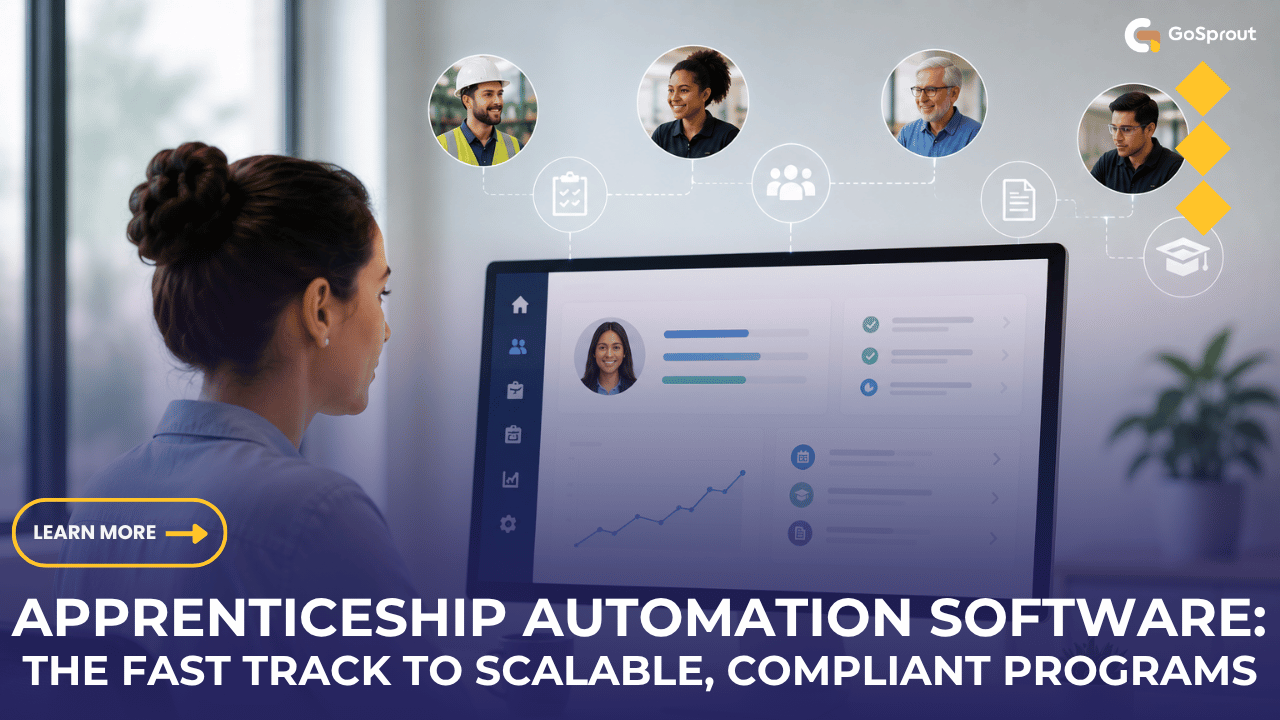
This guide walks you through everything you need to know about modernizing your apprenticeship program with digital tools. Use the links below to jump to the section most relevant to your needs.
Table of Contents
- Introduction: From Manual Apprenticeships to Automated, Data-Driven Programs
- Why Modern Apprenticeships Need Automation
- Core Features of Effective Apprenticeship Automation Software
- Benefits of Apprenticeship Automation Software by Stakeholder
- Implementing Apprenticeship Automation Software: A Practical Roadmap
- Why Choose Our Apprenticeship Automation Software
- FAQs About Apprenticeship Automation Software
- Conclusion: Digitize Your Apprenticeships Now to Build Tomorrow’s Workforce
Ready to explore the leading solution? Learn more about apprenticeship automation software designed specifically for registered and non-registered programs.
Want to Learn More About Your Registered Apprenticeship Opportunities?
BOOK A FREE CONSULTATION
Introduction: From Manual Apprenticeships to Automated, Data-Driven Programs
Apprenticeships in 2026 are expanding rapidly across manufacturing, healthcare, IT, logistics, and clean energy. The global market for robotics is expected to expand at a compounded annual rate of close to 20%, highlighting the growing demand for skilled workers in automation and robotics fields. Companies are leading the way in adopting apprenticeship automation software, demonstrating organizational commitment and industry leadership. Yet most organizations still manage their apprenticeship program using spreadsheets, email chains, and paper timesheets—tools that simply cannot keep pace with this growth.
Apprenticeship automation software centralizes the end-to-end management of training programs by digitizing manual tasks for improved efficiency and accuracy. These centralized platforms leverage technology to enhance apprenticeship programs, facilitating real-time visibility into progress and upcoming tasks for all stakeholders, replacing fragmented systems with a single source of truth for on the job training hours, related technical instruction (RTI) records, competency assessments, and Department of Labor compliance.
The pain points are concrete: mismatched OJT and RTI records, missed DOL deadlines that trigger audit failures, lost sign-off sheets when staff leave, and frustrated apprentices who cannot see their own progress. The Automation Technician Apprenticeship program typically consists of 2,000 hours of training, including both classroom instruction and hands on experience in advanced manufacturing industries—tracking this manually creates massive administrative burden, especially given the complexity of understanding and managing the various system components involved in automation and manufacturing settings.
In this article, you’ll learn the must-have features of modern platforms, benefits for every stakeholder, a practical implementation roadmap, and how to select the right vendor for your organization.
Why Modern Apprenticeships Need Automation (Not Just Spreadsheets)
Today’s registered and non-registered programs span multiple occupations, locations, and sponsors—each with unique compliance requirements. Managing this complexity with manual tools creates operational chaos that blocks growth and puts funding at risk.
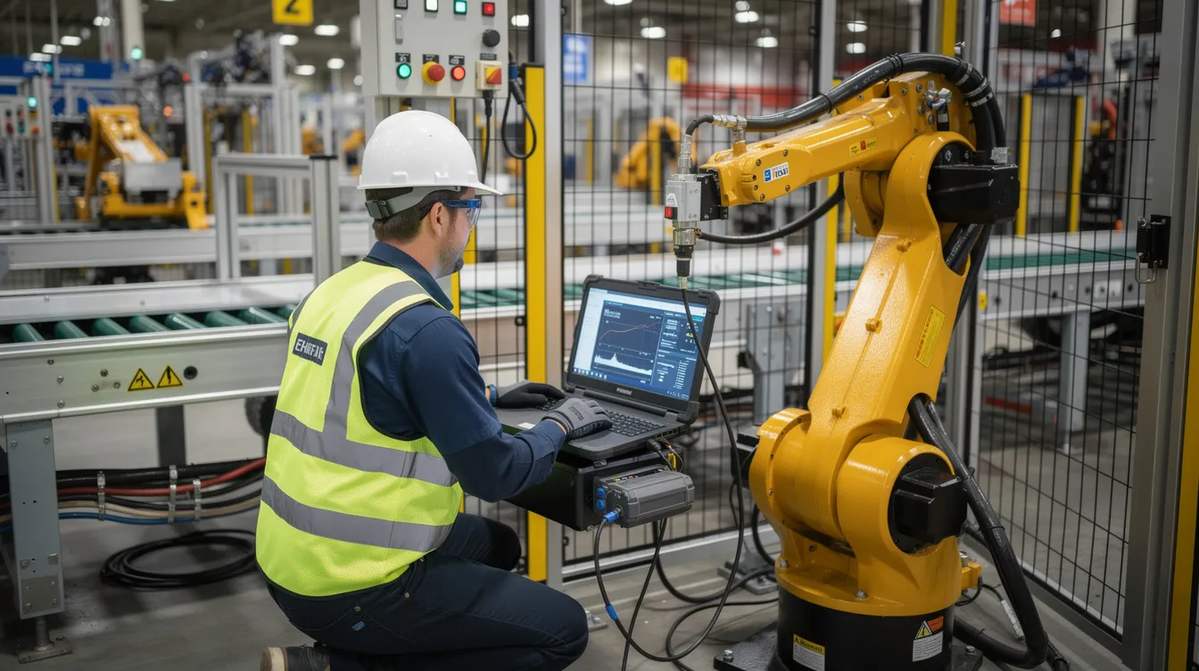
The typical “before” state looks familiar: siloed Excel files with version-control issues, paper timesheets that mentors forget to update, and ad-hoc email chains between HR, supervisors, RTI providers, and apprentices. Automation technicians are trained to repair and maintain computer-controlled systems and robotic devices—documenting this development across industrial controls, mechanical systems, and robotic systems requires precision that spreadsheets cannot deliver. Apprenticeship automation software clarifies responsibilities by helping apprentices understand and manage their duties, track progress, and develop professional habits through clear expectations and automated reminders.
Real-time tracking and role-based dashboards allow each stakeholder to focus on relevant information and high-value activities, streamlining tasks and improving overall efficiency.
How Spreadsheets and Email Chains Block Growth
Basic tools create predictable failure modes that compound as programs scale:
- Forgotten OJT logs: Mentors miss entries, creating 20-30% data gaps
- Version-control chaos: Multiple spreadsheet copies with conflicting information
- Manual RTI reconciliation: HR spends hours matching college SIS attendance with internal records
- Lost institutional knowledge: Apprentice records disappear when staff members leave
Program managers report spending 5-10 hours per week just consolidating apprentice data when using spreadsheets.
Using apprenticeship software centralizes communication among stakeholders, reducing the time spent on emails and improving productivity by allowing for real-time tracking of apprentice progress and requirements.
Compliance, Audit, and Funding Risks Without Automation
Compliance is non-negotiable for US DOL registered apprenticeships, union programs, and publicly funded initiatives like Ohio TechCred. Core requirements include total OJT hours by occupation, RTI completion records, wage progression documentation, and signed training agreements.
What typically goes wrong:
- Missing signatures on evaluation forms
- Unaligned OJT and RTI records
- Incomplete cohort documentation at audit time
- Inconsistent job competency verification
Dedicated apprenticeship software automates compliance tracking, minimizing the risk of human error and ensuring adherence to Department of Labor requirements and state regulations. Better data quality also unlocks eligibility for state and federal incentive programs, turning compliance from a burden into a competitive advantage.
Core Features of Effective Apprenticeship Automation Software
Not all platforms are equal. This section outlines the non-negotiable capabilities buyers should expect in 2026—use it as a requirements checklist when evaluating vendors. Modern apprenticeship automation software should support comprehensive educational programs that blend theoretical knowledge with practical, hands-on training, often delivered through modular and accessible formats. Additionally, the platform should enable seamless collaboration with customers and external organizations to deliver effective apprenticeship solutions across diverse industries.
Centralized OJT and RTI Tracking
A single system stores apprenticeship standards, job roles, tasks, and RTI course mappings. Apprentices log On-the-Job Training (OJT) and Related Technical Instruction (RTI) hours via mobile devices, automating tracking for compliance and reporting.
Mobile and offline access is essential for apprentices to log hours or view schedules while working on job sites. The ability to track competencies against OJT tasks ensures apprentices are developing required skills, not just logging hours. Real-time dashboards show coordinators who is on track, at risk, or behind schedule at cohort and individual levels.
Training programs for automation technicians often include specialized courses in technical drawings, mechanical systems, fluid power, and welding—all of which must be mapped to competency frameworks within the software.
Automated Workflows, Alerts, and Approvals
Automating workflows improves efficiency by notifying relevant parties about compliance and milestones. Configure workflows so that when an apprentice reaches verified hours and 100% RTI completion, the system alerts HR to process a wage progression.
Automated reminders handle:
- Overdue log entries
- Upcoming evaluations
- Expiring certifications
- Missing RTI attendance
Many automation technician training programs emphasize the importance of safety certifications, such as OSHA-10 and CPR/First-Aid—the software tracks these automatically and alerts managers before expiration.
Compliance Tools and Reporting Engine
The software generates audit-ready reports for federal and state regulatory bodies such as RAPIDS or WIPS by mapping collected data into pre-built templates. These platforms automate compliance and reporting, simplifying the creation of required reports for regulatory bodies.
Key reporting capabilities include:
| Report Type | Use Case |
|---|---|
| DOL RAPIDS/WIPS | Federal compliance submissions |
| State-specific exports | Ohio TechCred, state apprenticeship agencies |
| Internal KPIs | Completion rates, time-to-journeyworker, diversity metrics |
| Grant reporting | WIOA funding documentation |
Role-based access controls ensure only authorized users see sensitive PII and wage data, maintaining FERPA and GDPR compliance where applicable.
Communication, Feedback, and Engagement Tools
Modern apprentices expect consumer-grade digital experiences. Automation reduces administrative overhead and enhances communication among apprentices, mentors, and employers through centralized digital hubs.
Platform communication tools include:
- Announcements to cohorts and broadcast alerts
- Private mentor–apprentice messaging
- Digital check-ins and competency evaluations
- Feedback journals with mentor comments
- Milestone badges and progress visualizations
Integrations and Data Security
Software must fit existing tech stacks. Typical integrations include HRIS for employee data, LMS for RTI courses, payroll for wage progressions, and identity providers via SSO (SAML/OAuth).
Security expectations: encryption in transit and at rest, regular backups, role-based permissions, and clear data ownership terms. Our platform prioritizes secure hosting and ongoing security audits.

Benefits of Apprenticeship Automation Software by Stakeholder
ROI appears differently for each group. Use these benefits to build your internal business case. Apprenticeship automation software not only streamlines program management but also supports leadership development and soft skills, which are crucial for career growth and organizational success. Additionally, companies can leverage tuition reimbursement or financial support programs to help employees upskill through apprenticeship programs, making it easier to invest in workforce development.
For Employers and Program Sponsors
- Time savings: Reclaim 5-10 hours weekly from manual data entry
- Strategic insights: Forecast journeyworkers ready in 12-24 months by program and location
- Risk reduction: Stronger audit position and better eligibility for public funding
- Performance metrics: Track completion rates, diversity goals, and business needs in real-time
Digital tools improve talent retention by signaling commitment to development and enhancing apprentice satisfaction. DOL data shows registered apprenticeships yield 20-40% higher retention than non-registered alternatives.
For Apprentices
Clear career pathways reduce confusion. Apprentices log in from their phone and immediately see completed hours and remaining requirements. Visual roadmaps for three-year electrician or mechatronics programs, including options to pursue an associate’s degree in mechatronics, keep motivation high.
Upskilling can take the form of specialty training that focuses on using and repairing specific robots or higher-order education that fills gaps in existing knowledge. Apprenticeship programs in automation and robotics provide pathways for career advancement, allowing individuals to move from operator roles to maintenance technicians or controls engineers, often in conjunction with earning an associate’s degree in mechatronics.
For Mentors, Supervisors, and Instructors
Mentors gain visibility into what each apprentice should learn on each rotation. Simplified evaluation workflows—standard competency checklists, easy rating scales, reusable comments—reduce administrative burden.
Instructors pull up cohort progress and adapt classes based on real data, focusing coaching time where it matters most.
For External Partners (Colleges, Workforce Boards, Unions)
Shared access helps colleges align coursework with employer expectations. Workforce boards use consolidated outcome data to report on grants and justify program expansions. Joint dashboards eliminate back-and-forth emails about enrollment numbers and placement outcomes.
Implementing Apprenticeship Automation Software: A Practical Roadmap
Successful implementation requires process and change management, not just purchasing a tool. Follow this roadmap over 60-120 days.
Step 1: Define Goals, Success Metrics, and Scope
Start with concrete goals: cut admin time by 40%, double cohort size by 2027, or improve completion rates by 15%. Document current processes to benchmark improvements.
Suggested KPIs: completion rates, time-to-journeyworker, diversity metrics, satisfaction scores, audit outcomes
Step 2: Evaluate Vendors and Choose the Right Partner
Create a requirements list focused on tracking, compliance, workflows, integrations, and security. Evaluate vendors on apprenticeship expertise, implementation support, and references from manufacturing, healthcare, or utilities.
Companies looking to upskill internal employees can avail of opportunities through the Association for Automation Advancement (A3), which offers a workforce development portal with various pathways—ensure your vendor supports these industry standards.
Step 3: Configure, Integrate, and Pilot
Setup tasks include importing apprentice records, loading occupation standards, mapping tasks to competencies, and defining approval workflows. Connect HRIS, payroll, and LMS systems to reduce duplicate entry.
Run a pilot with 1-3 programs for 3-6 months before enterprise rollout. Collect structured feedback from apprentices, mentors, and administrators.
Step 4: Train Users and Drive Adoption
User training is essential, especially for mentors who may not be tech-savvy. Use live sessions, recorded micro-videos, and written guides. Appoint internal champions at each site to provide peer support and build momentum.
Step 5: Optimize with Data and Continuous Improvement
After 6-12 months, review dashboards to evaluate KPI progress. Adjust workflows, add reports, and refine competency frameworks. Expand by adding new occupations or incorporating youth pre-apprenticeship pathways.
Why Choose Our Apprenticeship Automation Software?
Purpose-Built for Apprenticeships, Not Retro-Fitted
Our software is designed around apprenticeship standards, OJT/RTI structures, and regulatory requirements from the ground up. Templates for common occupations—industrial maintenance technician, automation technician, electrician—speed implementation. Workflows align with US DOL, state agencies, and industry standards.
End-to-End Support: From Design to Scale
Our team helps organizations design or modernize apprenticeship standards, not just configure software fields. We offer onboarding, training, and ongoing customer success support. As clients grow across multi-state operations or new occupations, our platform scales with them.
Modern Experience for Apprentices and Mentors
Mobile-friendly interfaces work on shop floors, in the field, or in classrooms. Intuitive dashboards, simple logging workflows, and clear progress visualizations keep everyone engaged and aligned with organizational goals.

FAQs About Apprenticeship Automation Software
Apprenticeship software replaces outdated tools like spreadsheets, streamlining management of complex data such as OJT hours and compliance checks. Unlike generic LMS platforms, it’s purpose-built for DOL requirements, wage progressions, and competency tracking—not just course delivery.
Yes. While DOL-registered programs have strict requirements, non-registered internal programs benefit equally from centralized tracking, compliance documentation, and improved communication.
Mid-sized employers (25-500 apprentices) achieve initial rollout in 60-90 days, including configuration, integrations, and pilot testing.
Absolutely. Modern platforms support multi-occupation, multi-location, and multi-sponsor configurations with role-based permissions for each stakeholder group.
Expect encryption in transit and at rest, role-based access controls, regular backups, and compliance with FERPA/GDPR where applicable.
Track admin time savings (5-10 hours/week), completion rate improvements (typically 15-20% increase), and funding gains from better grant reporting.
Conclusion: Digitize Your Apprenticeships Now to Build Tomorrow’s Workforce
Manual apprenticeship management creates compliance risk, wastes administrative time, and frustrates the next generation of skilled workers. With aging workforces and robotics markets expanding at nearly 20% annually, organizations cannot afford to maintain spreadsheet-based programs.
The skills needed in manufacturing, maintenance, and industrial operations are evolving rapidly. Automation requires apprentices who can handle troubleshooting, hand tools, equipment repair, and robotic systems—all requiring structured development and precise documentation.
Apprenticeship automation software transforms pilot-stage programs into scalable, data-driven workforce pipelines. Request a demo today to see how purpose-built automation can prepare your organization for the future of skilled labor.


