Table of Contents
- Automation Technician Program Overview
- Who Automation Technician Training Is For
- Core Skills You’ll Learn: PLCs, Motor Control & Process Control
- Typical Automation Technician Curriculum & Course Sequence
- Learning Formats: Campus Labs, Online Courses, and Self-Paced Options
- Certificates, Degrees, and Industry Credentials
- Career Paths in Industrial Automation After Training
- How Work-Based Learning and Apprenticeships Fit In
- How to Evaluate and Choose an Automation Program
- Why Choose Our Platform to Manage Automation Technician Training Programs
- Next Steps: How to Get Started with Automation Technician Training
- Frequently Asked Questions About Automation Technician Training
Automation Technician Program Overview

An automation technician installs, maintains, troubleshoots, and optimizes control systems and automated equipment in industrial settings. These systems include programmable logic controllers, human-machine interfaces, motor drives, sensors, and fluid power systems. Factories across automotive manufacturing, food processing, logistics, and utilities increasingly rely on automation to enhance productivity and safety. Formal automation technician training closes the gap between what employers need and what most applicants can demonstrate on day one.
The demand for automation technicians is driven by automation in various industries, from robotic welding cells in automotive plants to automated packaging lines in food and beverage facilities. Automation technician training prepares workers for a technology-driven economy where mechanical systems and electrical systems converge with software. Effective automation technician training combines electrical, mechanical, and computer skills into a single applied discipline.
A typical automation technician program blends classroom or online theory with extensive hands-on labs. Students learn PLC programming, motor control, process control, and robotics in environments that mirror real production floors.
Hands-on labs are crucial in automation technician training programs because employers want proof that graduates can wire a panel, diagnose a fault, and get a line running again. Many programs are designed on a part time basis or at the student’s own pace to accommodate working adults, parents, and career changers.
Here is what this article covers:
- How automation technician training is structured (program formats, time, cost)
- What courses and technical skills are typical across programs
- Time and cost ranges, from $1,780 to $3,860 depending on the school
- How to connect training with paid work-based learning like apprenticeships
Who Automation Technician Training Is For
This section profiles the people who benefit most from this training path so you can quickly determine whether it fits your situation.
Several concrete learner profiles stand out:
- Recent high school graduates interested in hands-on technology work in manufacturing or utilities, who want to build applied math and basic electrical theory skills without committing to a four-year degree.
- Military veterans accustomed to operating and maintaining complex technical systems who want civilian automation roles.
- Electricians who handle general wiring and power distribution but want to shift into control cabinets, PLC programming, and low-voltage control systems.
- Maintenance technicians already responsible for machinery health who want to move into control system upgrades and programming.
- Mid-career workers from warehousing or manufacturing who want a technical, higher-paying new position.
The automation technician program has no academic prerequisites at many schools. Most certificate programs require a high school diploma or GED, comfort with basic algebra, and ability to use a computer. Self-paced and part-time options make it realistic to train while working full-time, caring for family, or transitioning from another field. George Brown College’s distance automation certificate, for example, lets students take 18 modules over about 32 weeks at their own pace.
Core Skills You’ll Learn: PLCs, Motor Control & Process Control
This is the heart of automation technician training: building a toolkit that spans electrical, mechanical, and digital control systems. Automation technicians bridge the gap between mechanical machinery and electrical systems, and the core curriculum reflects that dual focus. Automation roles require understanding both hardware and software integration.
Programmable Logic Controllers (PLCs)
Programmable logic controllers are central to industrial automation. A PLC monitors inputs from sensors and switches, executes logical programs, and drives outputs like motors and valves. Training in PLC programming often includes ladder logic and troubleshooting common faults such as shorted I/O or signal noise. Students typically work with Allen-Bradley ControlLogix and CompactLogix platforms, learning to wire I/O, upload and download programs, and build ladder logic programs from scratch. Automation technicians need skills in PLC operation and troubleshooting to be effective from their first day on a plant floor.
Motor Control
Motor control training teaches students to start and stop three-phase AC motors, configure variable frequency drives (VFDs) for speed control on conveyors or pumps, and read motor nameplates for voltage, current, and frame specifications. Integrating safety devices like emergency stops and overload protection is a core part of the coursework. Students work with various types of starters, soft starters, and VFDs in lab settings.
Process Control Fundamentals
Students learn to work with sensors that detect level, temperature, pressure, and flow. They calibrate transmitters, operate control valves, and tune basic PID loops (proportional, integral, derivative) to maintain stable process conditions. These concepts apply directly in water treatment, chemical processing, and food and beverage production. Knowledge of electrical systems is essential for connecting instruments to supervisory control and data acquisition (SCADA) systems.
Troubleshooting & Diagnostics
Strong troubleshooting is a central outcome of any quality program. Students practice reading electrical diagrams, isolating faults in control systems, and using multimeters, oscilloscopes, and simulation software to diagnose real world scenarios. Technical documentation is essential for diagnosing and repairing automated equipment, so students also learn blueprint reading and how to interpret P&IDs and wiring schematics.
Want to Learn More About Your Registered Apprenticeship Opportunities?
BOOK A FREE CONSULTATION
Typical Automation Technician Curriculum & Course Sequence
This section walks through how a typical 8 to 18 month automation program is structured, from foundational courses through advanced electives. The Robotics and Automation Technician program, depending on the school, takes 12 to 19 months to complete.
Foundational courses cover safety practices including lockout/tagout procedures and OSHA standards, basic electricity and electronics, industrial mechanics, and introductory digital logic. Students also receive training in pneumatic and hydraulic systems, since automation technicians should understand fluid power systems used across manufacturing. Electrical systems knowledge includes basic principles, wiring schematics, and safety.
Intermediate courses build on that foundation with electrical systems coursework, motor control circuits, introductory programmable logic controllers, and basic robotics or mechatronics concepts. Students learn to read and create electrical diagrams, wire control mechanisms, and operate automated systems under supervision.
Advanced electives vary by program but often include:
- Advanced PLC programming using structured text, function block, and HMI integration
- Process control labs covering level and flow measurement, batch vs. continuous control, and interfacing with control valves
- Specialized motor control systems such as servo drives, synchronous machines, and coordinated motion control
Automation technology reduces costly downtime by prioritizing preventive maintenance, and many programs build maintenance scheduling and diagnostic routines into their lab exercises. Better programs intentionally layer theory with labs: for example, students learn ladder logic in class and then implement a traffic light or conveyor control system in the lab the same week. Students receive over 660 hours of hands-on training in less than a year at several accelerated programs.
Learning Formats: Campus Labs, Online Courses, and Self-Paced Options
Modern automation technician training is flexible. Options range from full-time campus cohorts to online, simulation-driven courses that students can complete at their own pace.
In-person programs follow scheduled day or evening classes with fixed lab hours. A school like SCIT runs morning and evening shifts, with lab blocks built into every module (Monday through Thursday). Students get supervised access to real industrial panels, PLC racks, motor control centers, and robotics systems.
Online and distance education options deliver an automation technician certificate through self-paced modules, virtual labs, and PLC simulators that mimic real hardware. UHD’s online certificate uses LogixSim and CircuitLogix for virtual labs and requires no prior automation background. The online automation technician course costs around $1,780 at George Brown College, and students can work through modules at their own pace over roughly 32 weeks.
Hybrid models split theory and practice: students complete coursework online after work, then attend required on-site lab intensives on weekends or during short bootcamps throughout the term. This format works well for learners managing a job and family.
When choosing a format, consider these questions:
- Does the program provide real or simulated lab equipment for hands-on experience?
- Is instructor and technical support available during your working hours?
- Can you attend on a part time basis, or does the cohort require full-time commitment?
- How does simulation map to real hardware you would encounter on the job?
Certificates, Degrees, and Industry Credentials
Three main pathways exist for students entering automation technology: short certificate programs, associate degrees or diplomas, and stackable micro-credentials.
A typical automation technician certificate focuses tightly on automation technology and requires about 20 to 30 credit hours. Students can earn 30 credit hours in the Automation Technology program at many community colleges, often completing in under a year. These certificates aim at quick entry into industrial automation jobs. Oakton College offers a 16-credit certificate completable in a single semester.
Associate degrees blend automation courses with general education and typically take 18 to 24 months. The broader foundation provides transferable credits for students who later want a bachelor’s degree in electrical engineering, mechatronics, or control systems.
Industry certifications add another layer. The SACA Certified Industry 4.0 Associate certification is industry-recognized and modular, letting technicians build credentials around specific skills. ISA offers the Certified Control Systems Technician (CCST) for those with a high school diploma and relevant experience. Vendor-specific credentials from Rockwell Automation (Allen-Bradley) and Siemens carry weight where those platforms are installed. Certification programs enhance employability in the automation field because employers use them to filter hires and justify internal promotions.
Before enrolling, verify accreditation status, transferability of credits, and whether program outcomes align with your long-term goals.
Career Paths in Industrial Automation After Training
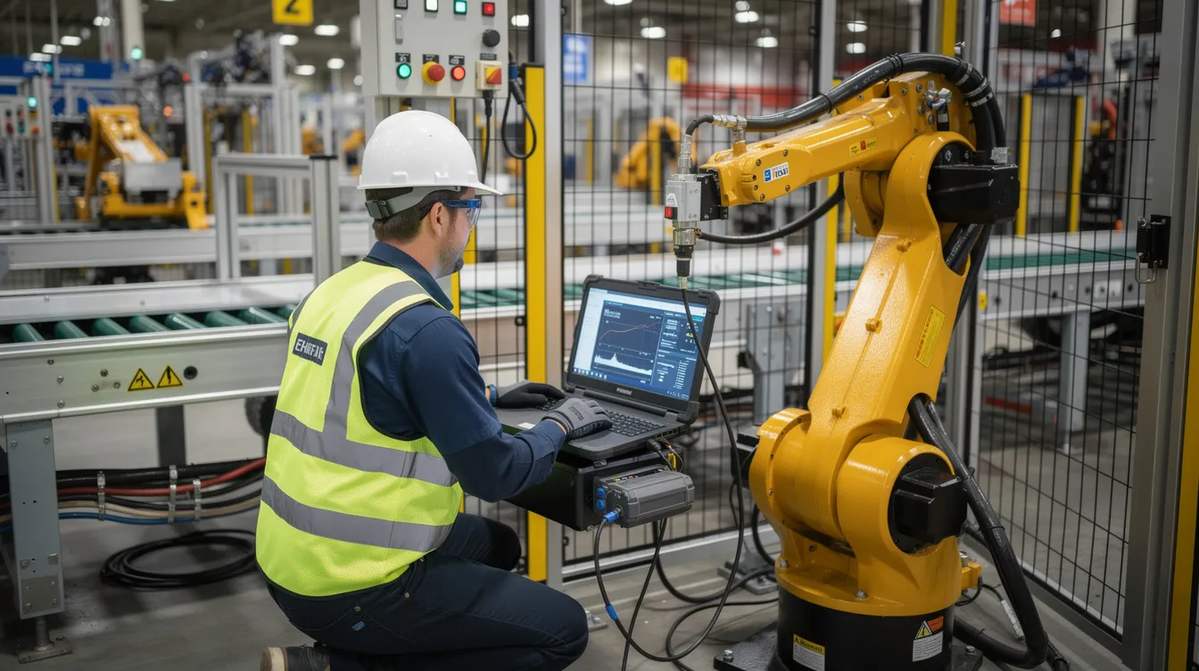
Skilled automation technicians work across automotive manufacturing, energy, food and beverage, logistics, and pharmaceuticals. Automation technicians assist in maintaining operational continuity in smart manufacturing, where even short unplanned stops can cost thousands of dollars per minute.
Common entry-level roles include:
| Job Title | Primary Focus |
|---|---|
| Automation technician | Installing and maintaining automated processes and control systems |
| Industrial maintenance technician | Preventive maintenance and repair of automated manufacturing systems |
| Control systems technician | PLC and HMI programming, calibration, and troubleshooting |
| Robotics technician | Maintaining and programming robotics systems |
| Mechatronics technician | Integrating mechanical systems, electronic circuits, and software |
Day-to-day tasks range from calibrating sensors and replacing field devices to configuring PLCs and reading process schematics. As technicians gain experience, responsibilities evolve: leading control system upgrades, commissioning new production lines, or specializing in HMI programming and data acquisition.
Shift work and on-call rotations are common in manufacturing. Advanced skills in PLCs, process control, and motor control open doors to higher pay and career opportunities such as controls engineer, automation specialist, or technical supervisor.
How Work-Based Learning and Apprenticeships Fit In
Pairing classroom training with structured on-the-job training accelerates skill development for automation technician roles. Apprentices earn wages while gaining verifiable competency hours, and employers get a workforce trained on their specific automation equipment.
Registered apprenticeship models split time between related technical instruction (RTI) and paid OJT in industrial automation. Apprentices start with supervised tasks and progress to independent work as their skills grow. Typical activities an apprentice automation technician might log include:
- Installing and wiring sensors and field devices
- Assisting with PLC panel builds and control cabinet assembly
- Performing motor control troubleshooting and VFD configuration
- Documenting process control changes under supervision
- Reading and updating electrical diagrams and technical documentation
The benefit for learners is clear: graduates walk away with both an automation technician certificate and real plant experience. For organizations, apprenticeships produce technicians aligned with actual operational needs rather than generic training outcomes.
To connect training with work-based learning, ask schools which employers host apprentices, check with local manufacturers or utilities for open positions, and clarify how OJT hours are tracked and validated against defined competencies.
How to Evaluate and Choose an Automation Program
Not all automation technician programs deliver equal results. Use this checklist to compare options.
Curriculum depth: Confirm the program covers programmable logic controllers, motor control, process control, and troubleshooting with meaningful time on real or realistic industrial hardware. Ask which PLC brands are taught and how many lab hours are included per module.
Delivery format: Determine whether the program runs full-time or on a part time basis, if students can progress at their own pace, and what the typical weekly time commitment looks like. Verify access to instructors, tutoring, and technical support.
Outcomes: Request completion rates, average time to complete, and recent graduate job placements in industrial automation. Look for alumni case studies showing real career moves, not vague marketing claims.
Cost and funding: The automation technician program costs $3,860 at SLCC. George Brown College’s program costs around $1,780. UTI awarded over $27 million in scholarships in 2025. Pell Grants and scholarships may be available for eligible programs, and many automation technician programs offer flexible payment options. Factor in tuition, books, supplies, simulation software, and exam fees.
Start dates: Frequent intakes (monthly or quarterly) help you avoid long wait times. Ask about the next available cohort.
Why Choose Our Platform to Manage Automation Technician Training Programs
This section is for organizations; employers, schools, and workforce partners responsible for designing and managing automation technician programs at scale.
A dedicated work-based learning platform centralizes OJT and RTI tracking for automation technician apprentices. Every hour spent on PLC wiring, motor control troubleshooting, or process control tuning is documented against defined competencies. Configurable competency frameworks for control systems let program managers map skills to specific automation technology modules, and dashboards show apprentice progress in real time.
Integrated reporting and communication tools help sponsors, schools, and employers stay aligned. Automated compliance reporting (RAPIDS, WIPS, PIRL) reduces administrative overload. Automated reminders keep learners on pace even when they train on a part time basis or across multiple sites.
With the right platform, organizations can scale automation technician programs, keep training content current with evolving industrial automation tools, and give learners a transparent pathway from their first course to a fully qualified automation technician role.

Next Steps: How to Get Started with Automation Technician Training
Automation technician training opens doors to stable, high-demand roles across manufacturing, energy, logistics, and beyond. The range of programs available means there is a path for nearly every learner profile and budget.
For individuals:
- Assess your readiness: review your comfort with basic algebra, electricity, and using a computer.
- Shortlist two or three automation programs and compare curriculum depth, lab access, and schedules.
- Explore funding: check for Pell Grants, scholarships, employer sponsorship, or VA benefits.
- Apply for an upcoming start date.
For organizations:
- Map current and future automation skills needs across your facilities.
- Identify internal mentors and training partners (community colleges, technical schools).
- Choose a platform to manage OJT, classroom instruction, and compliance reporting.
- Design a pilot automation technician cohort with clear milestones and competency benchmarks.
Pick one step from the list above and complete it this week. Contact a local training provider, schedule an information session, or explore tools that can support the launch or expansion of your automation technician program. The skills gap will not close on its own; the technicians who prepare students and organizations to act now will define the next decade of industrial automation.
Frequently Asked Questions About Automation Technician Training
How long does it take to complete an automation technician program?
Certificate programs can finish in 8 to 12 months if pursued full-time. Associate degrees take 18 to 24 months. Part-time or self-paced options may extend to 18 months or more depending on weekly hours. The Robotics and Automation Technician program takes 12 to 19 months to complete, depending on the school and format.
Do I need a strong math or engineering background to start?
You need basic algebra: ratios, fractions, and the ability to manipulate simple formulas. An engineering degree is not required. Many programs offer preparatory modules in math and basic electrical theory for students who feel rusty. Comfort with electricity fundamentals and using a computer is enough to begin your first course.
What is the difference between an automation technician and an electrician?
An electrician typically handles wiring, power distribution, high-voltage installation, and code compliance. An automation technician focuses on control systems: PLC programming, sensors, process control, low-voltage control circuits, and sometimes robotics. Overlap exists in areas like motor starter wiring and panel assembly, but the scope and daily focus differ. Electricians often hold state licenses; automation technicians tend to hold industry credentials instead.
Can I work while I’m in an automation program?
Yes, if you choose a self paced program or part-time format. Full-time cohort programs may require 20 to 30 or more hours per week including lab time. Evening and weekend lab options, combined with online theory, let working students balance shifts, labs, and family responsibilities.
Will online automation training be respected by employers?
Employers care about proof of hands-on competency. If your online credential includes virtual labs, vendor-neutral or vendor-specific certifications, and real projects or apprenticeships, it carries weight. Strengthen an online credential by adding OJT hours, documenting lab projects, and earning industry certifications that demonstrate working knowledge of automated systems.
How do I move from general maintenance into a specialized automation role?
Start with courses in PLCs, motor control, and process instrumentation. Earn micro-credentials from SACA or vendor-specific badges. Volunteer for automation-adjacent tasks at your current job. Build a portfolio of lab projects and small automation designs. Document your theoretical knowledge and practical hours. Pursue certifications like ISA CCST once you accumulate sufficient experience, and target a new position that lists control systems or industrial applications in the job description.


