FAA mechanic certification is still a three-part challenge: pass the written knowledge tests, then prove yourself in oral and practical exams. In 2026, strong A&P test preparation means studying current FAA Airman Certification Standards, practicing under time, and preparing for a DME’s hands-on evaluation.
A&P test prep and p test prep mean structured study for General, Airframe, and Powerplant, followed by focused oral and practical training. Our A&P test preparation resources help candidates move from first study session to final certification with less wasted time.
Table of Contents
- Understand the A&P Test Structure
- Confirm Eligibility and Documents
- Build Your A&P Study Plan
- Use Better Test Prep Resources
- Apply Written Exam Strategies
- Prepare for Oral and Practical
- Work with a DME
- Avoid Common Mistakes
- Why Choose Our A&P Test Prep Support
- FAQs About A&P Test Prep
- Start Your Path to Certification
Understand the A&P Test Structure
The FAA A&P knowledge tests consist of three written exams: the general test, the Airframe test, and the Powerplant test. Each test has 60 multiple-choice questions, and a passing score is 70% or higher. The general test covers basic aviation concepts, while airframe and powerplant cover rating-specific knowledge.
The exams are computer-based and scheduled through PSI. Current testing is governed by FAA ACS standards, and the A&P knowledge tests cover topics from the required curriculum in 14 CFR part 147, including aircraft structures, systems, and maintenance procedures. Expect areas such as basic electricity, hydraulics, turbine engines, materials, and maintenance practices.
The oral and practical exams are essential components of the A&P certification process, where candidates demonstrate their knowledge and hands-on skills to a Designated Mechanic Examiner (DME). These usually take a full day.
Confirm Eligibility and Documents
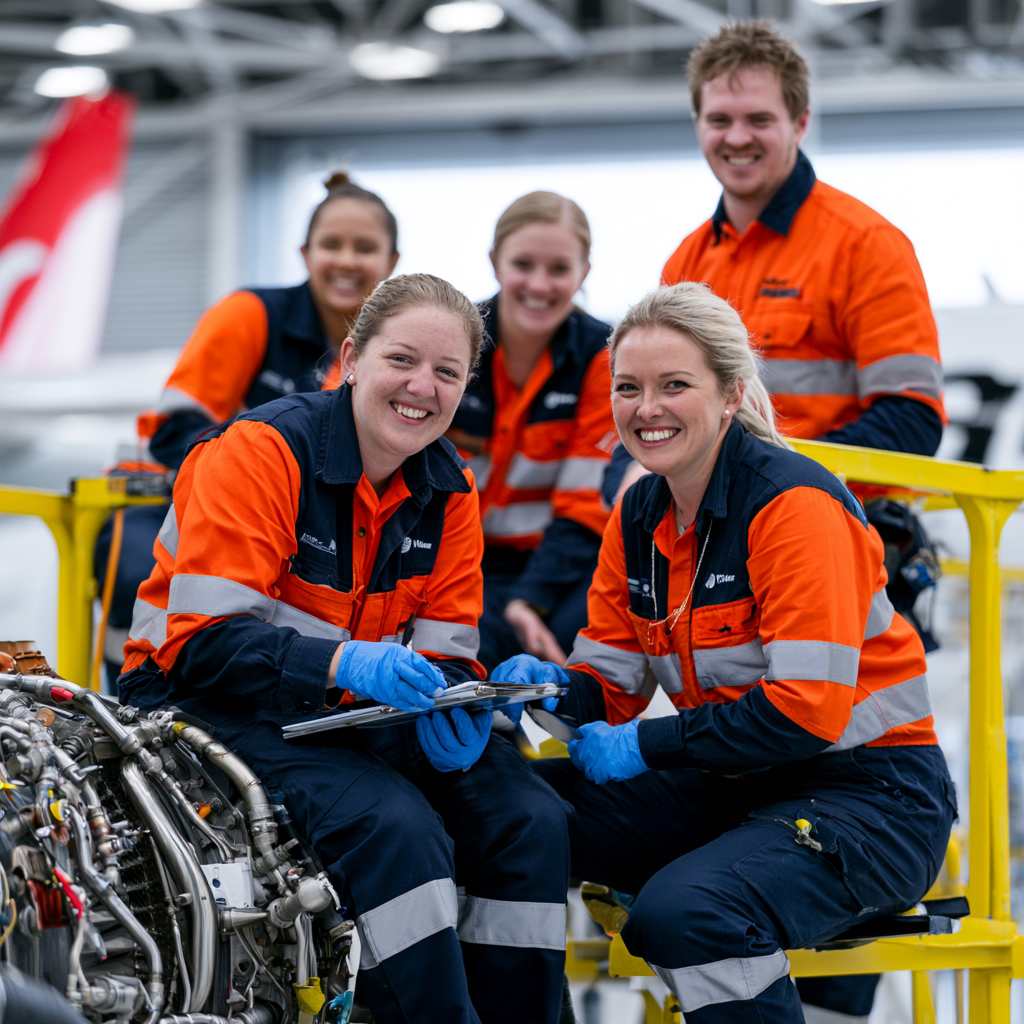
To be eligible to take the FAA A&P certification tests, candidates must have a signed FAA Form 8610-2 in hand. Part 147 graduates receive authorization through school officials; experienced civilian or military technicians usually work with an FAA inspector.
The FAA requires that candidates for the A&P certification must have completed a minimum of 18 months of practical experience in either airframe or powerplant maintenance, or a combination of both. Candidates must provide documentation of aviation maintenance experience to qualify for the FAA aviation maintenance exams.
Bring or prepare:
- Government-issued ID
- FAA Tracking Number
- PSI login
- Signed 8610-2
- School certificate, logbooks, employer letters, or military records
Build Your A&P Study Plan
A good schedule beats cramming, especially for students balancing work, family, or deployment. Try one of these plans:
- Full-time course: 4–6 weeks, studying General first, then Airframe, then Powerplant.
- Part-time program: 8–12 weeks with 60–90 minutes daily and one longer weekly review.
Creating a study schedule and regularly reviewing all topics, especially focusing on weaker areas, is recommended for effective preparation for the A&P certification exams. Set aside 1–2 final weeks for hands-on practice, oral questions, and DME-style review.
Use Better Test Prep Resources
Quality study materials are crucial for exam success, and ASA test guides are popular resources that have helped aircraft mechanics prepare for decades, covering all required topics and including sample questions and practice tests. Quality study materials, such as ASA test guides, are crucial for exam success and often include sample questions and practice tests to help candidates prepare effectively.
Use study guides with ACS-aligned outlines, FAA references, explanations, and online score tracking. Taking practice tests is one of the best ways to prepare for the A&P exams, as they familiarize you with the exam format and help identify areas needing more study.
Flashcards help with regulations, parts, torque values, and component identification. In other technical exams, physiology emphasizes the “how” while anatomy focuses on the “what,” which can be represented through mind maps connecting anatomical parts to physiological pathways. That same concept-map approach can help aviation students connect systems to procedures and learn more efficiently.
For comparison, dedicating 10 to 12 hours of preparation per week is recommended to succeed in Anatomy and Physiology exams; A&P candidates often need similar consistency. Digital flashcard platforms like Quizlet and Osmosis from Elsevier support spaced repetition and image-occlusion quizzes. Platforms like Anatomy.app provide interactive 3D models for studying anatomical structures. Visual active recall, such as using 3D models, flashcards, and concept maps, is more effective than just reading notes for exam preparation. Diagram masking using tools like Anki helps in testing recall of anatomical structures from blocked-out textbook diagrams.
Apply Written Exam Strategies
For the written p test, read every question twice, eliminate wrong answers, and mark hard questions. Aim to finish your first pass in 60–70% of the allowed hours, then review.
If a question looks new, use fundamentals instead of guessing. Think load paths, Ohm’s law, fluid flow, safety, and FAA maintenance logic. Sleep well, arrive early, bring ID, and know calculator and scratch-paper rules.
Prepare for Oral and Practical
The oral is conversational; the practical is performance-based. The ACS lists tasks, knowledge elements, risk management, and acceptable performance. The “Teach-Back” method involves explaining complex biological mechanisms out loud to reinforce understanding, and it works well for aviation systems too.
Practice explaining inspections, troubleshooting, safety wiring, rigging, tool use, and logbook entries. Maximizing lab time by practicing with physical anatomical models and real slides is crucial as practicals assess quick identification of components; similarly, A&P practical prep requires real hands-on work with aircraft parts and tools.

Bring photo ID, 8610-2 copies, written reports, and DME-requested materials.
Work with a DME
A DME is FAA-authorized to conduct airframe and powerplant oral and practical exams. Find one through FAA listings, school referrals, or our scheduling help.
They evaluate accuracy, safety, reference use, and calm reasoning. Arrive on time, dress for maintenance work, listen carefully, and ask clarifying questions. If you fail one area, targeted review and required endorsements can help you retest successfully.
Avoid Common Mistakes
Don’t skip General, ignore ACS codes, memorize questions without understanding, or avoid timed practice. Real-world experience helps, but the exam has its own language.
Common oral/practical mistakes include poor tool control, unsafe habits, not using manuals, weak logbook entries, and incomplete explanations. Track missed questions by areas such as turbine engines, sheet metal, and regulations. Try short quizzes and 30-minute simulated oral sessions.
Why Choose Our A&P Test Prep Support
Our test prep support is designed for mechanic candidates who want structure, accountability, and current FAA information. We help students get organized, prepare efficiently, and see what DME readiness looks like before test day.
You get structured study guides, targeted practice exams, instructor-led review, hands-on labs, and help with paperwork, scheduling, and certification steps. Contact our team to request information or enroll in the next program. We can help make your study process more organized and effective.
FAQs About A&P Test Prep
How long does A&P test prep take?
Most candidates need 4–12 weeks, depending on experience, schedule, and weak areas.
Do I have to take General first?
Yes, candidates normally take General before Airframe and Powerplant.

Is using only question banks enough?
No. Practice questions help, but conceptual study and hands-on review build safer, stronger knowledge.
What happens during oral and practical testing?
A DME asks oral questions and assigns practical tasks from General, Airframe, and Powerplant. Plan for a full day.
Can military experience count?
Yes, military aviation maintenance experience may qualify when properly documented.
What if I fail a test?
You can retest after required review and endorsement. Use missed areas to guide focused study.
Can I ask about my eligibility?
Yes. Reach out with your background, documents, and experience details.
Start Your Path to Certification
With the right guide, practice, materials, and schedule, you can pass the general airframe and powerplant exams and get recognized as an FAA-certified aviation maintenance professional. Take the next step: request our checklist or schedule an info session today.
Want to Learn More About Your Registered Apprenticeship Opportunities?
BOOK A FREE CONSULTATION