If you manage workforce training, run an apprenticeship program, or help job seekers find careers, WIOA programs shape nearly everything about how federal training dollars flow to your community. But understanding how the Workforce Innovation and Opportunity Act actually works – who it serves, what it funds, and how to stay compliant – takes more than a quick summary. This guide breaks down WIOA programs in practical terms, covers the real services available to individuals and employers, and explains where GoSprout fits as a platform for managing work-based learning at scale.
Table of Contents
Understanding WIOA Programs and Who They Serve
The Workforce Innovation and Opportunity Act is a 2014 federal law, reauthorized through 2026, that funds employment and training programs across the United States. It is administered through the U.S. Department of Labor’s Employment and Training Administration (ETA) and is funded 100% by federal funds from the U.S. Department of Labor. WIOA reforms the public workforce system by creating stronger coordination between federal workforce development programs, better performance accountability, and tighter alignment with what local labor markets actually need.
WIOA enhances employment, education, and training programs while providing resources for individuals to find good jobs. It also aims to improve employer prospects in the global marketplace by building a skilled workforce that matches real demand.

The Core and Discretionary Programs
WIOA organizes services into four core programs: Adult, Dislocated Worker, Youth, and Vocational Rehabilitation. Beyond these, several discretionary programs serve specific communities. Here is a breakdown of the major WIOA-funded workforce programs:
- Adult Program: Serves unemployed or underemployed adults, with priority given to low-income individuals, those receiving public assistance, and people who need basic skills development. The WIOA Adult Worker Program is funded by the U.S. Department of Labor and connects individuals to job training services in their local area. As one example, Community Action Partnership operates the WIOA Adult Worker Program in New Hampshire.
- Dislocated Worker Program: Designed for individuals laid off due to plant closures, automation, industrial shifts, or economic downturns. WIOA includes specialized services for dislocated workers, including Rapid Response teams that help during the layoff transition and retraining for new occupations.
- Youth Program: Serves in-school and out-of-school youth ages 16–24, with a focus on those facing barriers such as justice involvement, lack of a diploma, or low basic skills. Offers education, work experience, and training.
- Job Corps: A residential training program for at-risk youth ages 16–24, offering occupational skills training, high school diploma or equivalency completion, and career counseling.
- YouthBuild: A construction-focused education and training program for opportunity youth facing barriers to employment. In 2023, YouthBuild operated roughly 200 programs across 40+ states, serving approximately 5,000 young people annually with about $90 million in funding.
- National Farmworker Jobs Program (NFJP): Provides job training, education, and support services tailored to migrant and seasonal farmworkers who face chronic underemployment and barriers such as language and mobility.
- Indian and Native American Program (INAP): Serves American Indians, Alaska Natives, and Native Hawaiians with employment, training, education, and supportive services. In PY 2025, total INAP adult/youth funding was approximately $60 million.
- Reentry Employment Opportunities (REO): Helps individuals returning from incarceration or under correctional supervision with job placement and removing barriers to employment.
Eligible WIOA participants may include low-income individuals and those facing barriers to employment, including people with disabilities. Veterans also receive priority access across all DOL-funded employment programs.
How the Public Workforce System Is Organized
WIOA is delivered primarily through local American Job Centers, which serve as the front door for both job seekers and employers. Here is how oversight and implementation flow:
- The U.S. Department of Labor and ETA provide funding and federal oversight.
- State workforce agencies develop state plans that define high-demand occupations, provider eligibility criteria, and service strategies.
- Local Workforce Development Boards (WDBs) create local plans and oversee service delivery in their regions.
- American Job Centers (also called One-Stop centers) are where participants access career services, training referrals, and support.
The Legislative Structure of WIOA
WIOA is organized into multiple titles, each covering a different piece of the workforce development puzzle:
- Title I of WIOA funds job training and career services for adults and youth.
- Title II of WIOA supports adult education and literacy services.
- Title III of WIOA provides public employment services through the Wagner-Peyser Act.
- Title IV of WIOA grants funding for vocational rehabilitation services for individuals with disabilities.
The main goals across all of these are clear: align employment and training with local labor market demand, support workforce innovation and opportunity for both workers and businesses, and improve performance outcomes like employment rates, median earnings, and credential attainment.
What WIOA Training Programs Offer Job Seekers and Employers
So what can you actually get from a WIOA program? Whether you are a job seeker looking to retrain, an employer building a talent pipeline, or a workforce organization managing training delivery, WIOA offers a structured set of services designed to connect people to careers and help businesses access a skilled workforce.

Career and Training Services for Job Seekers
WIOA programs help individuals secure employment and gain skills for in-demand jobs through a layered set of services:
Career services include skills assessments, labor market information, resume support, and job search assistance. Job search assistance includes access to resources, tools, and guidance to help applicants navigate the hiring process effectively.
Occupational skills training is where things get more impactful. WIOA provides financial support for occupational skills training in high-demand industries. This means classroom training that leads to industry-recognized credentials in fields like advanced manufacturing, healthcare, IT, transportation, and construction. Training is typically covered through Individual Training Accounts (ITAs), which function like vouchers for approved programs.
Work-based learning includes on-the-job training (OJT), work experience, and internships that pay wages while participants learn. These arrangements let individuals earn while they build occupational skills in a real workplace.
Supportive services round out the package. WIOA offers supportive services like transportation and childcare assistance, as well as help with exam fees, certification costs, and personal protective equipment, depending on local policy. These auxiliary aids are critical for participants who might otherwise drop out because of logistics, not ability.
How Occupational Skills Training Gets Funded and Chosen
WIOA prioritizes local workforce needs by directing training funds toward in-demand careers. Each state maintains an Eligible Training Provider List (ETPL), which is a registry of training providers and programs that meet minimum standards for completion rates, employment rates, and earnings. Participants must generally choose a program from the ETPL to use their ITA funding.
For example, a 20-week CDL training program or a one-year medical assistant certificate might both appear on the ETPL if they meet performance thresholds. Tuition assistance, books, and related costs can be covered for eligible participants. The program prioritizes services for qualified applicants who cannot access other funding sources like Pell Grants.
States like Washington have rigorous ETPL evaluation policies, requiring providers to meet minimums in completion, employment, and earnings – and removing programs that fall short.
The key takeaway: if a training program is not on the ETPL, it may not be WIOA-fundable. Always check your state’s list first.
A Real-World Scenario
Imagine a manufacturing worker laid off because of automation. Under the Dislocated Worker program, that individual could visit an American Job Center, receive career counseling, select an industrial maintenance training program from the ETPL, and use an ITA to cover tuition. Supportive services might cover transportation costs. A four-week OJT placement at a local employer could lead to immediate, permanent employment. The program aims to help individuals find good jobs and stay employed – and this scenario shows exactly how that works.
What Employers Get from WIOA
WIOA is not just a job seeker program. Employers benefit in several concrete ways:
- Wage reimbursement for OJT and customized training for new hires or workers who need upskilling.
- Partnership opportunities to build talent pipelines through pre-apprenticeships, internships, and Registered Apprenticeship Programs.
- Access to a pipeline of screened, trained applicants who have already demonstrated commitment through program participation.
- Expectations: Employers must provide quality training, document skills gained, and coordinate with local workforce staff.
WIOA aims to improve employer prospects in the global marketplace by ensuring businesses have access to workers trained in the occupational skills they actually need.
Connecting WIOA to Apprenticeships and Work-Based Learning
WIOA can support the Related Technical Instruction (RTI) portion of Registered Apprenticeship Programs and pre-apprenticeships. This creates a pathway from basic training to long-term employment: a participant might start with WIOA-funded classroom training, move into a pre-apprenticeship, and then enter a full registered apprenticeship – all within a coordinated system.
For organizations managing these pathways, apprenticeship management software brings everything together in one place.
How Technology Reduces Administrative Friction
From GoSprout’s perspective, the administrative burden of WIOA-funded training is one of the biggest pain points for workforce boards, training providers, and employers. Here is where the right platform makes a difference:
- Centralized tracking of OJT hours, RTI hours, and occupational skills competencies for WIOA participants.
- Automated employment and training reports, including data required for PIRL, WIPS, or RAPIDS when programs are apprenticeship-based.
- Real-time dashboards that help workforce boards and training providers monitor outcomes like completions, credentials, and employment rates.
In Program Year 2024, the national performance data tells the story of what programs are achieving – and where tracking matters. Across core WIOA formula programs, DOL reported approximately 250,160 adult participants, 187,108 dislocated workers, and 125,531 youth served. Employment rates in the second quarter after exit reached about 72.2% for adults, 69.0% for dislocated workers, and 65.9% for youth. Credential attainment rates were roughly 73–75% for adults and 62% for youth.
These numbers only exist because programs track outcomes carefully. The organizations that invest in training administration infrastructure are the ones that hit their benchmarks consistently.
How to Use WIOA Programs Effectively (and Where GoSprout Fits In)
Knowing what WIOA programs exist is one thing. Using them effectively – whether you are a job seeker, an employer, or a workforce organization – requires understanding the process and avoiding common pitfalls.
Step-by-Step for Job Seekers
Here is the journey from first contact to enrollment:
- Find your nearest American Job Center using your state’s workforce website or the Department of Labor’s online locator.
- Attend an orientation and meet with a career planner for eligibility determination under the Workforce Innovation and Opportunity Act.
- Complete assessments to identify your skills, interests, and in-demand occupations in your region.
- Review the Eligible Training Provider List and compare training programs by cost, duration, credential type, and employment outcomes.
- Develop an Individual Employment Plan that links occupational skills training or work-based learning to a specific career goal.
- Enroll in approved training or OJT and keep in regular contact with your case manager about progress and support needs.
The WIOA Adult Worker Program connects individuals to job training services through this structured process, and career planners are there to help at every step.
Common Mistakes to Avoid
Whether you are a participant, provider, or employer, these are the errors that lead to lost funding, poor outcomes, or compliance problems:
- Choosing a training program not on the ETPL. If it is not approved, WIOA funding likely will not cover it.
- Ignoring local labor market demand. Selecting occupations with limited hiring in your area leads to lower employment rates after completion.
- Poor documentation of attendance, OJT hours, and credential attainment. This impacts both the participant’s eligibility and the program’s performance metrics.
- Employers launching apprenticeships or internships without a clear plan for training administration and compliance reporting. Missing documentation creates audit risk and jeopardizes future WIOA funding.
How GoSprout Supports WIOA-Funded Partners
GoSprout is built to handle the exact complexity that WIOA-funded programs generate. Here is what that looks like for different stakeholders:
For workforce boards and training providers:
- Streamline employment and training tracking across multiple programs and cohorts.
- Integrate course development for RTI content.
- Centralize performance data needed for Department of Labor reporting.
- Monitor credential attainment, measurable skill gains, and employment outcomes through real-time dashboards.
For employers and sponsors:
- Manage Registered Apprenticeship and pre-apprenticeship programs end to end.
- Map on-the-job training tasks to occupational skills standards.
- Collaborate with schools and workforce agencies in one platform.
- Reduce the manual overhead of tracking hours, competencies, and compliance materials.
For apprentices and interns:
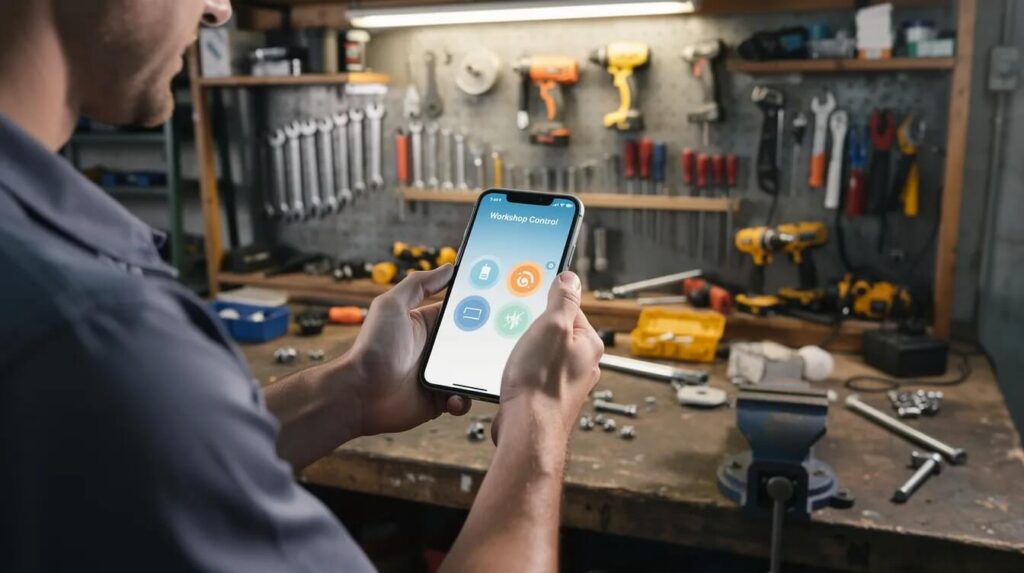
- Mobile app access to view required competencies, log hours, and communicate with mentors and coaches.
- Clear visibility into progress, which enhances engagement and retention.
GoSprout brings workforce development stakeholders together and connects the dots between funding, training delivery, and outcomes tracking. The platform serves employers, sponsors, training providers, and workforce organizations who need to scale programs, ensure compliance, and reduce administrative load.
Tying It All Together
WIOA programs provide the funding and structure. Local partners – workforce boards, American Job Centers, training providers, and employers – deliver the services. Platforms like GoSprout make it easier to scale high-quality, compliant training in 2026 and beyond.
The opportunity act created a framework. What matters now is execution, and that means having the right tools to learn from data, respond to demand, and support every participant from enrollment through employment.
Frequently Asked Questions About WIOA Programs
Who is eligible for WIOA programs?
Eligibility varies by program. For the Adult Program, most adults 18 and older are eligible for basic career services, with priority given to low-income individuals, those receiving public assistance, and veterans. Youth programs serve ages 16–24, with emphasis on out-of-school youth facing barriers. Dislocated Worker eligibility requires documented job loss. Individuals with disabilities may access services through Title IV vocational rehabilitation programs. Your local American Job Center can determine your specific eligibility.
What is the difference between WIOA and traditional job training?
WIOA is not a single training program – it is a federal framework that funds and organizes multiple training programs, career services, and supportive services through the public workforce system. Traditional job training might be a standalone course; WIOA wraps training in a system of career planning, labor market alignment, and outcome tracking. This development approach connects training directly to employer needs and local demand. Many WIOA providers manage this with workforce development tracking software that keeps participant activity, credentials, and outcomes in one place.
How does WIOA funding work for employers?
Employers can access WIOA funding primarily through OJT wage reimbursement (typically 50–75% of a new hire’s wages during training), customized training contracts, and incumbent worker training in some states. Employers connect with their local Workforce Development Board to apply and learn about available resources. There is no cost to the business for most employer engagement services through the American Job Center.
Can WIOA fund apprenticeship programs?
Yes. WIOA can fund the Related Technical Instruction (RTI) portion of Registered Apprenticeship Programs and pre-apprenticeships. It can also support OJT costs. This makes WIOA a valuable funding source for organizations looking to launch or expand apprenticeship programs. GoSprout’s workforce planning and consulting services can help organizations align their apprenticeship strategy with available WIOA funding.
What is the Eligible Training Provider List (ETPL)?
The ETPL is a state-maintained registry of training providers and programs that meet minimum performance standards for completion, employment, and earnings. If you want your training costs covered by WIOA through an Individual Training Account, you must select a program from the ETPL. States evaluate and update the list regularly, and providers who fail to meet thresholds may be removed.
How are WIOA program outcomes measured?
The Department of Labor tracks several key performance indicators: employment rates in the second and fourth quarters after program exit, median earnings, credential attainment rates, and measurable skill gains during participation. These metrics apply across core formula programs and many discretionary programs. For the latest national performance data, visit the DOL’s WIOA performance page.
Why Choose GoSprout for WIOA-Aligned Workforce Programs
GoSprout is purpose-built for the complexity of work-based learning in the workforce development ecosystem. Unlike generic learning management systems, GoSprout was designed from the ground up for Registered Apprenticeship Programs, pre-apprenticeships, internships, and the compliance requirements that come with federal and state funding.
Here is what makes GoSprout different:
- Deep expertise in workforce development. GoSprout understands RAPIDS, WIPS, PIRL, and the reporting requirements that WIOA-funded programs face. The platform is not a repurposed corporate LMS – it is built for this work.
- All-in-one tracking. OJT hours, RTI hours, competency mapping, credential attainment, and employment outcomes live in a single platform. No more spreadsheets, no more disconnected systems.
- Multi-stakeholder collaboration. Employers, schools, sponsors, workforce boards, and participants all connect through GoSprout. Everyone sees what they need to see, and nothing falls through the cracks.
- Mobile-first for participants. Apprentices and interns log hours, view competencies, and communicate with mentors from their phones – which enhances engagement and improves documentation accuracy.
- Scalability. Whether you manage one program or dozens across multiple sites, GoSprout grows with you.
If your organization is working with WIOA funding – or planning to – GoSprout can help you reduce administrative overhead, stay audit-ready, and focus on what matters: helping people build real careers.
Take the Next Step
WIOA programs represent one of the most significant investments the federal government makes in workforce development. The funding is there. The structure is there. What separates high-performing programs from the rest is how well they execute – and whether they have the tools to track, prove, and improve their outcomes.
If you are a workforce board, training provider, employer, or sponsor looking to align your programs with WIOA requirements and scale your impact, GoSprout can help. Click through to explore GoSprout’s apprenticeship management platform or request a demo to see how the platform fits your specific needs.
The success of your workforce programs depends on more than good intentions. It depends on the right infrastructure. Let GoSprout help you build it.


