Few industries depend on training records the way aviation does. Every mechanic, technician and ground crew member needs the right training, documented the right way, and inspectors, auditors and customers expect to see proof on request. Yet many aviation organizations still track that training in spreadsheets, paper binders and disconnected systems.
This guide explains what aviation training management software does, who uses it, the features that matter in a regulated environment and how to choose and roll out a system.
Table of Contents
What Is Aviation Training Management Software?
Aviation training management software is a system for planning, delivering, tracking and documenting training for aviation workers.
It keeps records of courses, hands-on tasks, competencies, sign-offs and certifications in one place, so organizations can see who is qualified for what and prove it.
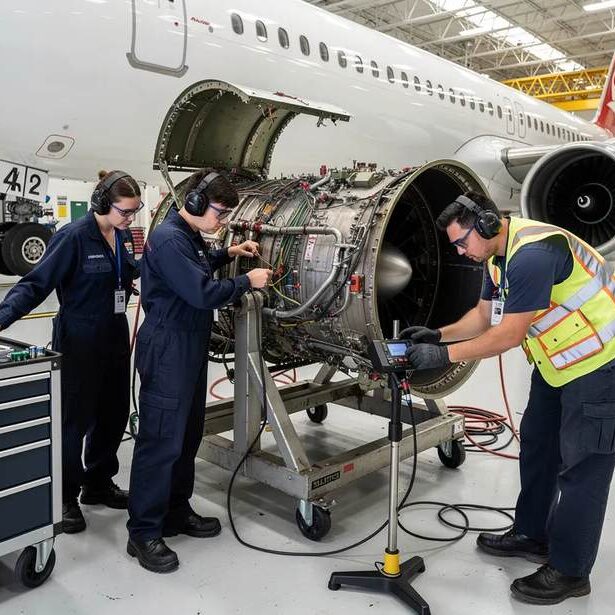
It differs from a general learning management system. Aviation training mixes classroom instruction with supervised, hands-on work on aircraft, and that hands-on work needs to be logged, verified by a qualified person and tied to specific tasks or standards.
Who Uses Aviation Training Management Software
- Aviation maintenance technician schools: tracking students’ progress through the curriculum. See Part 147 program management.
- Repair stations and maintenance organizations: documenting technician training and qualifications.
- Airlines and operators: managing recurrent and task-specific training.
- Airports and ground operations: tracking safety, equipment and ramp training.
- Aviation apprenticeship sponsors: logging on-the-job experience that supports FAA certification. See aviation apprenticeship tracking.
Want to Learn More About Your Registered Apprenticeship Opportunities?
BOOK A FREE CONSULTATION
Features to Look For
- Task-based training records: hands-on tasks logged against defined skills or work processes.
- Qualified sign-offs: instructors, mentors or supervisors verify each task.
- Classroom and practical tracking together: one record of instruction and on-the-job work.
- Competency tracking: see which skills each person has demonstrated.
- Alerts: flag missing records and pending approvals before an audit.
- Reporting and exports: produce records quickly for inspectors, customers or partners.
- Mobile access: technicians log work and supervisors approve from the hangar floor.
- Role-based permissions: students, technicians, instructors and administrators see what they need.
See also aviation training record management.
How to Choose and Implement a System
- Map your training requirements. List courses, tasks, sign-offs and records your organization must keep.
- Involve quality and compliance staff. They know what auditors ask for.
- Demo real scenarios. Ask vendors to show a technician logging a task and a supervisor approving it on a phone.
- Pilot with one team or cohort. Fix problems before scaling.
- Migrate current records. Bring in active trainees’ history so nothing is lost.
- Review records regularly. Use dashboards to catch gaps early.

Common Mistakes to Avoid
- Using a generic LMS for hands-on training. Course completions do not capture task sign-offs.
- Logging training after the fact. Records made weeks later are harder to trust.
- Making approvals hard. Busy supervisors need fast, mobile sign-offs.
- Ignoring audit needs. Confirm the system can produce the reports inspectors expect.
- Running parallel systems indefinitely. Set a cutover date for paper records.
FAQs About Aviation Training Management Software
What Is an Aviation Training Management System?
It is software that plans, tracks and documents aviation training, including classroom courses, hands-on tasks, sign-offs, competencies and certifications.
Who Needs Aviation Training Management Software?
Maintenance schools, repair stations, airlines, airports and aviation apprenticeship sponsors all use it to keep training records organized and audit-ready.
How Is It Different from a Learning Management System?
An LMS focuses on courses. Aviation training software also tracks supervised hands-on tasks and qualified sign-offs.
Can Software Help Track Experience for an A&P Certificate?
Yes. Logging hands-on work as it happens, with supervisor verification, helps apprentices and trainees document experience. See our A&P certification pathway.
Does Aviation Training Software Guarantee Compliance?
No. It organizes records and flags gaps, but your organization is still responsible for meeting regulatory requirements.
How Long Does Implementation Take?
A focused pilot can launch in weeks; organization-wide rollouts take longer, mostly due to record migration and training.
Why Choose GoSprout
GoSprout helps aviation schools and employers run apprenticeship and internship programs that build the next generation of technicians. Its apprenticeship management platform tracks on-the-job training by work process, related instruction and competencies, with mentor sign-offs where configured, mobile access for apprentices and journeyworkers, and alerts, documentation and reporting in one place.
Next Steps: Modernize Your Aviation Training Records
Start by listing every training record your organization keeps and where it lives today. That inventory shows exactly what a new system must handle. To see how GoSprout can support your aviation apprenticeship or training program, book a free consultation.