
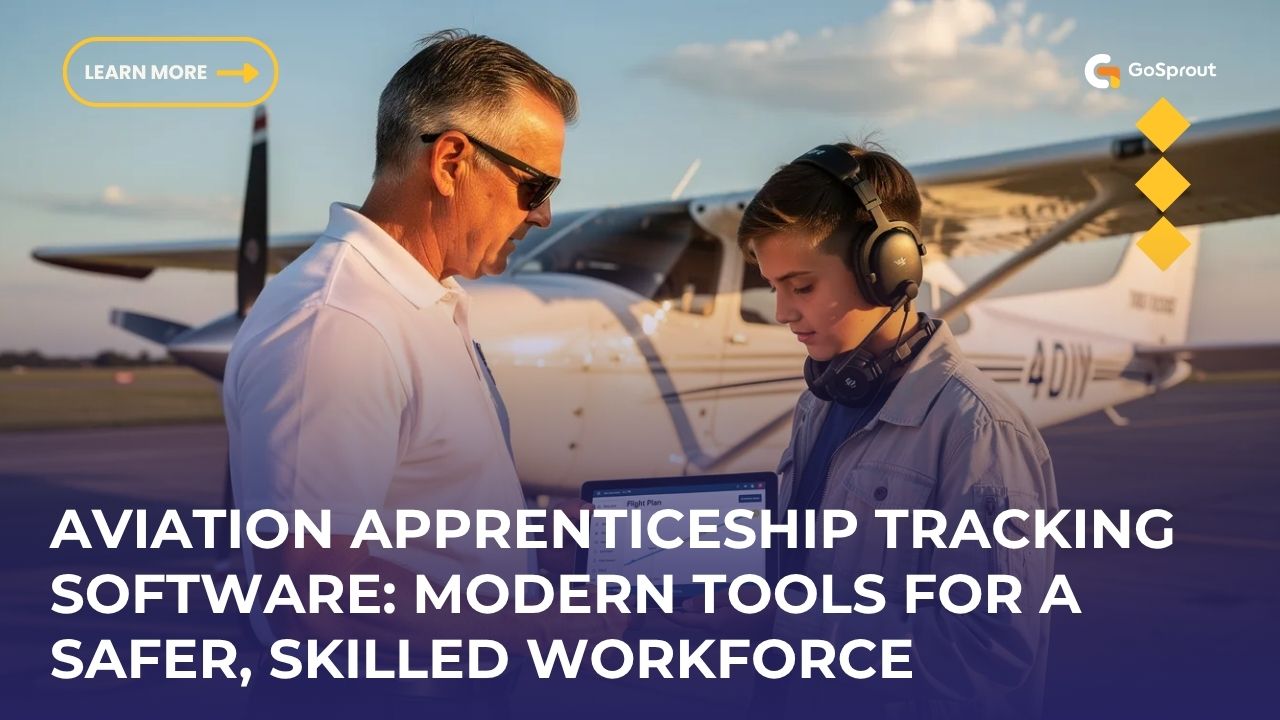
Aviation apprenticeship programs are no longer simple binders, shift notes, and end-of-month reviews. In 2026, airlines, MRO facilities, OEMs, and flight academies need proof that every apprentice is developing the right skills, completing required tasks, and moving toward certification safely.
That is where digital tracking becomes more than an admin upgrade. It becomes a practical tool for building a stronger technician workforce, reducing audit risk, and giving apprentices a clearer career pathway.
Table of Contents
Introduction: Why Aviation Apprenticeship Tracking Needs to Change Now
Aviation apprenticeship programs in 2024–2026 operate under pressure from several directions at once. The FAA expects strong documentation for mechanic certification pathways, EASA and national authorities expect traceable competency records, and OEMs increasingly want evidence that people working on aircraft systems are trained to consistent standards and meet regulatory expectations.
The old process makes that difficult. Paper logbooks get lost. Spreadsheets drift out of date. LMS records may show classroom training, but not whether an apprentice actually performed a task on a live aircraft under supervision.
Imagine tracking 40 aircraft maintenance technician apprentices across line maintenance, heavy checks, avionics, interiors, and powerplant rotations over a 24–36-month period. Each person needs verified hours, task exposure, mentor reviews, testing records, certificate milestones, and evidence that the work was supervised by a qualified technician.
That is the problem aviation apprenticeship tracking software is built to solve. It centralizes OJT hours, RTI records, competencies, exams, supervisor sign-ohands-onffs, and compliance evidence in one system. Many aviation employers are moving to modern apprenticeship tracking solutions that replace paper logbooks with digital sign-offs.
The result is less administrative time, more hands-on experience in the real world, faster readiness for qualification, and a stronger safety culture across the full apprenticeship program.
What Is Aviation Apprenticeship Tracking Software?
Aviation apprenticeship tracking software is a digital platform for managing on-the-job training, related technical instruction, competency signoffs, and certification progress for aviation apprenticeship programs. It replaces scattered records with a structured system that shows what every apprentice has learned, performed, and still needs to complete.
It is not just a generic HR system or a standard learning management tool. HR software may track employment status, and an LMS may track education modules, but aviation apprenticeships require evidence tied to aircraft, task cards, ATA chapters, maintenance events, and regulatory requirements.
Platforms used for aviation apprenticeship tracking are used by MRO facilities, airlines, and flight academies to manage paths toward FAA certification. They also support airline maintenance, OEM production, engine shop, component repair, avionics, composite repair, and registered apprenticeship environments.
A strong system usually manages:

- Hours by job card, task card, aircraft type, or ATA chapter
- OJT and RTI hours for apprentices
- Classroom modules, attendance, and exam results
- Logbook entries with supervisor review
- A&P preparation milestones for airframe and powerplant
- EASA Part-145 and Part-66 related records
- FAA Airman Certification Standards evidence, including FAA-S-ACS-1 alignment
- Digital portfolios that build each apprentice’s verification dossier automatically, replacing manual documentation
Software can monitor both On-the-Job Training (OJT) hours and Related Technical Instruction (RTI) hours for apprentices. This matters because aviation apprenticeship programs often include a combination of hands-on training and classroom instruction, leading to industry-recognized certifications and credentials.
Aviation apprenticeships typically combine hands-on training with classroom instruction, allowing participants to gain practical skills while earning an associate’s degree. Many aviation apprenticeship programs are structured to last two years, incorporating both technical education and practical on-the-job training to prepare participants for full-time employment in the field.
The software supports multiple roles, including apprentices, maintenance technicians, training managers, QA teams, compliance officers, HR, and workforce management leaders. Each user sees the information they need without giving every employee access to sensitive records.
How Digital Tracking Transforms Real-World Aviation Apprenticeships
There is often a gap between a training plan and what actually happens on the hangar floor. A plan may say an apprentice needs exposure to avionics troubleshooting, borescope inspections, FOD procedures, and structural repairs. The daily workload may instead push that person into repetitive support tasks.
Digital tracking closes that gap by connecting actual work to training requirements.
Real-time OJT capture
A C-check in March 2026, an AOG event in January 2025, or a night-shift engine inspection can become part of the apprentice’s record immediately. Mobile applications allow apprentices to log tasks immediately, capturing digital signatures to authenticate experiences.
Instead of waiting until Friday to reconstruct the week from memory, the apprentice submits a digital form, the mentor reviews the entry, and the system records the aircraft, date, task, evidence, and sign-off.
Balanced task exposure
Apprenticeships in aviation often include structured hands-on learning experiences, allowing individuals to apply theoretical knowledge to real-world projects, which is crucial for career readiness. Digital tracking helps make that balance visible.
For example, the system can show whether an apprentice has too much repetitive cabin work and too little exposure to structures, electrical theory, avionics systems, CNC machining techniques, powerplant inspection, or aircraft troubleshooting.
Early intervention
Early intervention tools within tracking software allow managers to identify knowledge gaps in apprentices’ training. If one apprentice is behind on borescope inspections or another has not completed required human factors instruction, supervisors can adjust rotations before the issue becomes a certification delay. This creates a more comprehensive approach to apprenticeship development.
Mini case: 25 apprentices over 18 months
Consider an airline line maintenance base with 25 apprentices rotating through morning and night shifts over 18 months. Without a digital tool, supervisors may only discover gaps near the end of the program.
With a tracking platform, mentors can see daily and weekly progress, compare each apprentice against required timelines, and assign tasks based on what the individual still needs to learn. Aviation apprenticeship tracking software improves program retention by giving visibility into apprentices’ progress against their required training timelines.
Key Features to Look for in Aviation Apprenticeship Tracking Software
Buyers should not evaluate these systems like ordinary training software. In 2025–2026, the right platform needs to support safety, compliance, audit readiness, and real operational work.
Here are the capabilities to prioritize.
- Digital logbooks and OJT tracking
Digital tracking software replaces paper logbooks and ensures regulatory compliance for documenting aviation apprenticeship experience. Look for task logging by aircraft type, tail number, work order, job card, ATA chapter, shop, system, and date. Supervisor e-signatures, timestamps, and change history are essential. - RTI and classroom integration
The platform should track attendance, grades, testing, and completion for required modules such as human factors, EWIS, fuel tank safety, maintenance regulations, and safety procedures. It should also support community college, A&P school, or internal academy records. - Competency frameworks and skill matrices
Each apprenticeship role should map to specific tasks, required evidence, and standards. An avionics technician, airframe mechanic, powerplant apprentice, or composite repair trainee will not need the same pathway. - Certification and A&P milestone tracking
Becoming a licensed Aircraft Maintenance Technician (AMT) requires documenting 30 months of simultaneous Airframe and Powerplant (A&P) experience. FAA guidance also recognizes structured routes through approved schools and documented practical experience; the FAA Aviation Maintenance Technician Handbook is a useful reference for the scope of AMT knowledge. - Compliance automation
Platforms used for aviation apprenticeship tracking automate compliance with FAA Airman Certification Standards (FAA-S-ACS-1). Automated documentation reduces error risks associated with manual paperwork and fosters compliance with regulatory standards. - Scheduling and rotation planning
The system should assign apprentices to bays, shifts, mentors, and aircraft checks while respecting supervision rules, duty time expectations, and workload constraints. - Dashboards and progress metrics
Real-time dashboards provide visual progress metrics for apprentices and their mentors during their certification journey. Managers should be able to view cohort status, overdue signoffs, missing RTI, pass/fail rates, and time-to-competency. - Integrations
Good platforms connect with HRIS, payroll, existing LMS tools, maintenance systems, MRO software, work order systems, and reporting tools. This avoids double entry and prevents conflicts between training, work, and employment records. - Security and access control
Role-based permissions, audit logs, encryption, and data retention rules matter. Apprentice performance records should be protected, especially if disciplinary information or sensitive coaching notes are stored.
The goal is not to create more data entry. The goal is to make training evidence easier to capture while the work is happening.
Benefits for Apprentices, Maintenance Technicians, and Employers
Safety, workforce readiness, and cost control are shared priorities across airlines, MROs, OEMs, and aviation training organizations. A dedicated tracking system supports all three.
For apprentices
Aviation apprenticeship programs provide participants with paid, relevant work experience while they acquire valuable skills and on-the-job experience, preparing them for in-demand roles in the aerospace industry and future career opportunities.
Participants in aviation apprenticeship programs can earn industry-recognized certifications and credentials, enhancing their employability in the technical industry. That can include a certificate, A&P preparation, specialty credentials, or company-recognized qualifications.
For apprentices, the biggest benefit is clarity. They know what they have completed, what is still required, and how each task supports their future career. Progress dashboards can help an apprentice get ready for reviews, exams, and certification milestones.

Many aviation apprenticeship programs offer mentorship from industry professionals, providing apprentices with valuable insights and guidance as they develop their skills. A digital platform makes that mentorship more consistent because feedback, coaching, and signoffs are captured in the same place.
For maintenance technicians and mentors
For a maintenance technician or mentor, the benefit is less paperwork and better coaching. Instead of managing paper checklists, handwritten notes, and emails, mentors can review entries, approve experience, and flag concerns quickly.
Structured mentoring checklists also help supervisors provide better support. If an apprentice needs more hands-on experience with avionics troubleshooting or aircraft inspection, the mentor can see that need before the next rotation is planned.
For training managers
Training managers get a real-time view of the full program. They can track completion rates, exam outcomes, review cycles, certification timelines, rework events, and audit readiness.
This gives leaders the ability to justify funding, refine the training process, and identify which sites or shifts need more support.
For employers and regulators
Employers benefit from consistent quality across locations. Regulators benefit from clear documentation. When questions come up about who performed a task, who supervised it, and whether the apprentice had the required training, the evidence is easier to provide.
That matters for live aircraft. Better tracking leads to better hands on experience, stronger real-world job readiness, and fewer surprises when new hires move into full-time maintenance roles and grow within the organization.
Implementing Aviation Apprenticeship Tracking Software: Step-by-Step
Moving from paper or spreadsheets to a dedicated platform does not have to be overwhelming. The best approach is to treat implementation as a structured development project.
Step 1: Assess current apprenticeship programs
Start by mapping your existing apprenticeship programs. List each trade, such as A&P maintenance technician, avionics, airframe, powerplant, composite repair, CNC machining, or production support. Identify locations, aircraft types, regulatory frameworks, and the people responsible for sign-off.
This is also the right time to review your application process. The application process for aviation apprenticeships typically involves submitting an application, followed by a review of candidates and interviews with selected individuals. Most technical apprenticeship programs do not require a degree to apply, and selection is based on various criteria including skills and experience. After being offered a position in an apprenticeship program, candidates must fulfill pre-employment requirements before starting their training.
Step 2: Define the data model and workflows
Decide what the system must track for each role. This may include hours, competencies, task types, classroom modules, exams, mentor reviews, safety topics, and certification evidence.
You should also define who signs off each item, how often reviews occur, and what happens when an apprentice falls behind. The clearer the workflow, the easier adoption becomes.
Step 3: Configure the software
Set up roles, permissions, templates, approval routes, and initial cohorts. Import historical records from 2020–2025 where possible, especially for active apprentices who already have OJT hours, RTI records, or testing results.
Do not try to digitize every old document at once. Prioritize records tied to certification, compliance, and active progress.
Step 4: Pilot with one cohort
Run a 3–6-month pilot with a limited group of apprentices and mentors. A cohort of 20–40 people is often enough to test forms, dashboards, reports, and sign-off flows without overwhelming the team.
Use the pilot to find friction. Are apprentices logging tasks at the right time? Is the approval process moving quickly? Are QA reports useful? Do managers have the visibility they need?
Step 5: Train users
Provide short, role-specific training. Apprentices need to know how to log work. Supervisors need to know how to approve or reject entries. QA needs to know how to export evidence. HR needs to know how training data connects to employment records.
Quick reference guides, in-app tips, and short videos can make adoption easier than long classroom sessions.
Step 6: Roll out and optimize
After the pilot, expand to all apprenticeship programs. Set quarterly reviews for KPIs such as completion rates, overdue signoffs, admin hours, rework events, audit findings, and retention.
The best programs keep improving. They use tracking data to adjust rotations, update standards, support mentors, and help apprentices excel.
Why Choose Our Platform for Aviation Apprenticeship Tracking
Our platform is built for aviation teams that need more than a generic skills checklist. It is designed to help training departments, maintenance leaders, HR, QA, and compliance teams manage apprenticeship data with the structure required in regulated aircraft environments.
We support airline, MRO, OEM, and flight academy apprenticeship programs across regions such as North America and Europe, with aviation-specific workflows shaped by practical industry needs since 2020. That experience matters because a maintenance program is different from a general workforce training system.
Our platform helps teams align training evidence with FAA, EASA, national apprenticeship standards, and internal company requirements. It can support FAA certification pathways, A&P progress, airframe and powerplant records, RTI tracking, mentor signoffs, and audit documentation.
Implementation support is part of the process. We help configure templates, migrate legacy records, define approval workflows, and train your team so the system reflects how your organization actually works.
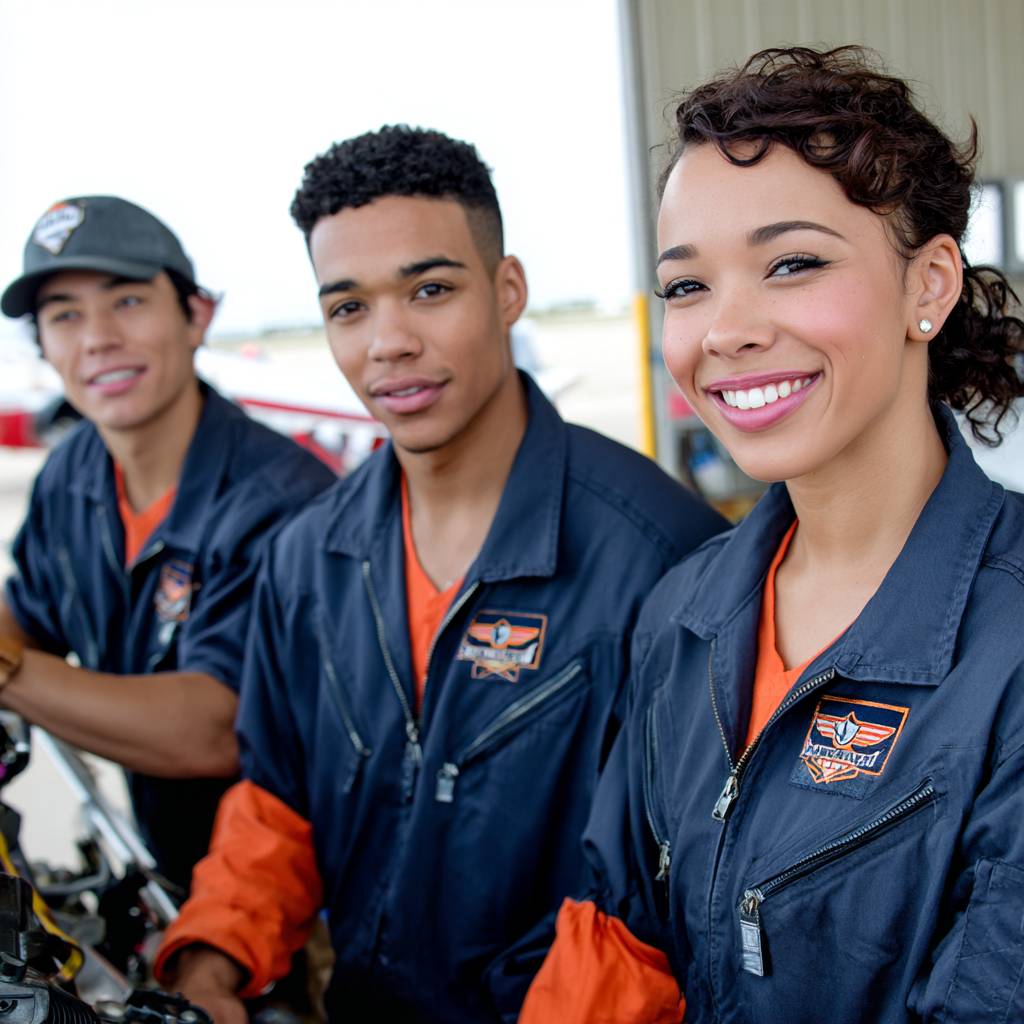
Usability is also central. The platform is mobile-friendly for hangar and ramp environments, supports offline access in low-connectivity maintenance areas, and makes supervisor signoffs fast enough to use during a normal shift.
Organizations use the platform to reduce admin hours per apprentice, improve on-time completion of apprenticeship programs, and reduce findings in internal training audits. If you want to see how your current records would look inside a digital system, schedule a demo or consultation and we can model your apprenticeship data in the platform.
FAQs About Aviation Apprenticeship Tracking Software
Can the software support both new entrants and experienced technicians?
Yes. The platform can support new applicants entering an apprenticeship pathway as well as experienced maintenance technicians upskilling on new aircraft types, systems, or company procedures. Different tracks can be based on prior experience, required standards, and the employee’s current job role.
Can existing A&P school or community college coursework be integrated?
Yes. Classroom grades, attendance, module completion, and RTI hours can be imported from an A&P school, community college, or internal academy. The key is to map the education record to the right competency, certification, or apprenticeship requirement.
How does the platform handle data security and access control?
Access can be controlled by role, site, cohort, and responsibility. For example, mentors may see task progress, HR may see employment-related information, and compliance teams may see audit evidence. Sensitive apprentice performance or disciplinary records should be limited to authorized users only.
Can the software be used internationally?
Yes. International aviation teams often need multiple languages, time zones, currencies, regulatory frameworks, and data residency settings. A well-configured platform can support FAA, EASA, ICAO-aligned, and national authority requirements for airlines and MROs operating in different regions.
How long does implementation usually take?
A single-site program can often go live in 8–12 weeks if workflows, templates, and data sources are clear. Multi-base operations, large fleets, or programs with complex historical records may take 3–6 months for a full rollout.
How is pricing usually structured?
Pricing is commonly based on the number of apprentices, sites, modules, or platform tiers. Integrations, data migration, and advanced reporting may affect the final quote. Contact sales for pricing based on your program size and requirements.
Does digital tracking replace the need for human judgment?
No. A tracking system supports the process, but it does not replace qualified mentors, supervisors, or inspectors. Logging a task is only useful when the work was properly performed, reviewed, and connected to real competency.
Conclusion and Next Steps
Aviation apprenticeship tracking software gives organizations a better way to manage safety, compliance, and workforce readiness. Compared with paper logs and disconnected spreadsheets, a dedicated platform provides clearer evidence, faster reviews, and stronger visibility into every apprentice’s progress.
The real value is not just cleaner documentation. Structured digital tracking creates more time for meaningful hands-on experience on real aircraft instead of administrative work. It also helps apprentices build confidence, mentors provide better guidance, and employers develop a workforce ready for the future of aviation maintenance.
Start by evaluating your current apprenticeship tracking process. Identify at least three pain points, such as missing signatures, delayed reviews, unclear progress, audit stress, or limited visibility across sites.
Then take the next step: schedule a demo, request a consultation below, or download a sample aviation apprenticeship competency map from our website. The organizations that invest in better tracking today will be better positioned for fleet reliability, regulatory trust, and technician career growth through 2030 and beyond.
Want to Learn More About Your Registered Apprenticeship Opportunities?
BOOK A FREE CONSULTATION