Table of Contents
- What Apprenticeship Tracking Software Actually Does (And Why the Category Exists)
- The Hidden Operational Cost of Managing Apprenticeship Programs Without a Dedicated System
- Core Features to Demand from Any Apprenticeship Tracking Platform
- How Apprenticeship Tracking Software Supports Compliance and Regulatory Reporting
- Evaluating Platforms: What Separates Purpose-Built Solutions from Generic Workforce Tools
- How GoSprout Centralizes the Full Apprenticeship Lifecycle in One System
- Conclusion: Purpose-Built Infrastructure Is the Foundation of a Credible Apprenticeship Program
- Frequently Asked Questions
What Apprenticeship Tracking Software Actually Does (And Why the Category Exists)
Purpose-built apprenticeship tracking software exists because no adjacent tool category, whether HR information systems, learning management platforms, or workforce development suites, was designed around the operational reality of a structured apprenticeship program. That gap is not an oversight. It reflects how fundamentally different the apprenticeship lifecycle is from general employee management or coursework delivery.
Defining the Software Category with Precision
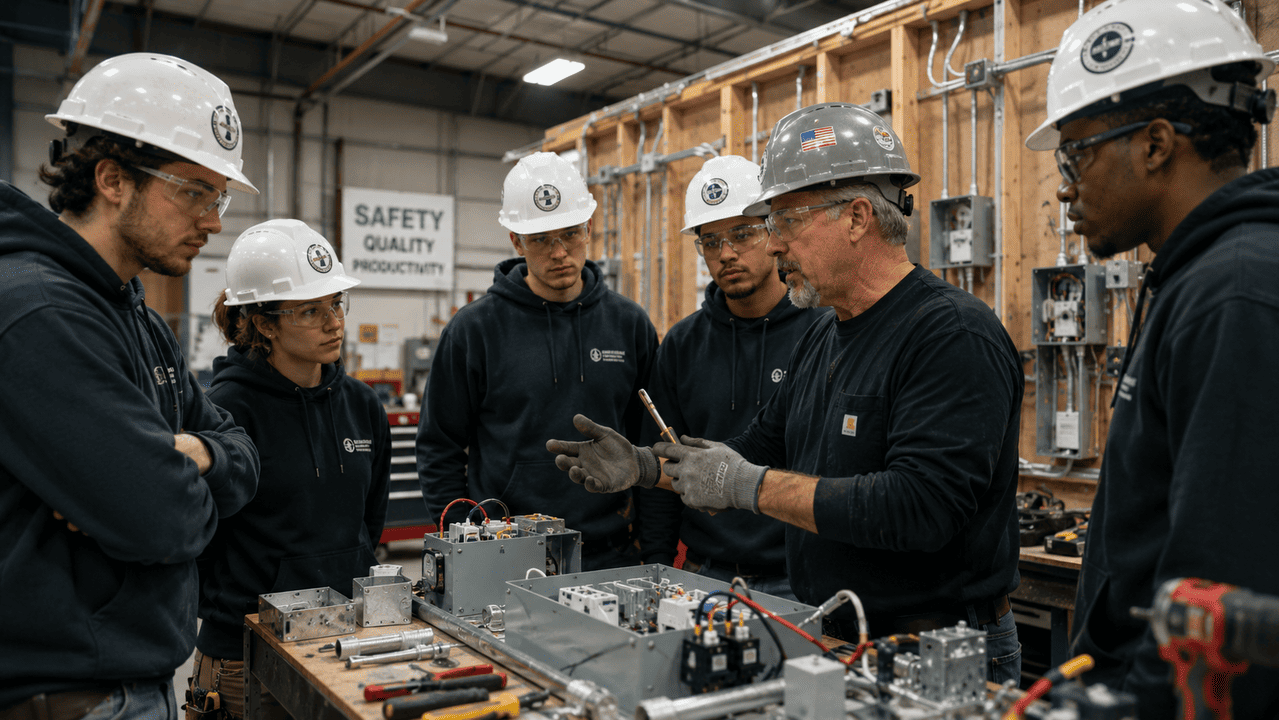
An apprenticeship management system is a dedicated platform for administering structured work-based learning programs from enrollment through completion. The category is distinct from general HR software in both its data model and its compliance orientation.
How Apprenticeship Management Systems Differ from General HR Tools
General HR tools are built around employment records: hiring, payroll, performance reviews, and offboarding. An apprenticeship management system is built around a learning progression tied to time, skill acquisition, and regulatory standards. Where an HR system tracks whether someone is employed, an apprenticeship management system tracks whether a learner is on pace, what competencies they have demonstrated, and whether the program’s documented standards are being met. These are fundamentally different data problems requiring fundamentally different system architecture.
The compliance dimension makes this distinction sharper. Registered Apprenticeship Programs carry reporting obligations that general HR software was never designed to support. Producing accurate data for RAPIDS submissions, maintaining evidence of on-the-job learning hours, and documenting competency milestones against program standards all require structured data capture from day one, not a retrofit of fields in a system built for something else.
Where Internship Management Platforms Fit Within the Same Category
Internship management platforms occupy the same functional category with a lighter compliance profile. They share core mechanics with apprenticeship systems: enrollment workflows, supervisor communication, progress tracking, and document management. The distinction is primarily regulatory depth. Where an apprenticeship management system must support audit-ready reporting and formal competency frameworks, an internship management platform focuses more on program experience, engagement visibility, and documentation of work-based learning standards. Organizations running both program types benefit from a single platform that handles the full spectrum rather than managing two separate systems.
The Core Functions That Define a Purpose-Built Platform
Not every tool marketed as apprenticeship tracking software delivers the same functional depth. Three core capabilities define a genuinely purpose-built platform.
Enrollment and Learner Lifecycle Management
A structured apprenticeship management system manages each participant through a defined program lifecycle: application, enrollment, active progression, and completion. This means the system holds a complete, current record for every learner, including their start date, assigned mentor, program tier, and status, accessible without hunting through email threads or shared folders. When a cohort of twenty apprentices enters the program simultaneously, the system creates individual records, initiates onboarding workflows, and tracks each participant’s trajectory independently.
Hours Logging, Milestone Tracking, and Competency Progression
Hours logging is the operational spine of any apprenticeship program. Apprentices must accumulate a defined number of on-the-job learning hours, and those hours must be verifiable. A purpose-built platform captures hours entries, routes them for supervisor verification, and stores the verified records in a format that supports both internal oversight and external audit. Layered onto hours tracking is competency progression: the system maps completed work to the program’s defined skills framework, giving administrators a real-time view of where each learner stands relative to graduation requirements.
Document Management and Onboarding Workflow Automation
Every apprenticeship program generates a significant volume of documentation: enrollment agreements, training plans, competency assessments, and completion certificates. An apprenticeship management system centralizes this documentation and automates the workflows that move it through the required steps. Instead of an HR manager manually chasing signatures and filing PDFs, the system routes documents to the right parties, tracks completion, and stores signed records in a searchable, audit-ready repository.
Is There an App for Apprenticeships? Understanding Modern Platform Delivery
The short answer is yes. Modern apprenticeship tracking platforms are delivered as mobile-accessible web applications, meaning apprentices can log hours, review their progress, and communicate with supervisors from any device without installing dedicated software. For distributed programs where apprentices work across multiple job sites or locations, mobile access is not a convenience feature. It is an operational requirement. An apprentice who cannot log hours until returning to a desktop on Friday is an apprentice whose records will be incomplete, late, or approximated. The practical standard for any platform under evaluation is seamless access for both administrators and learners on the devices they actually use.
The Hidden Operational Cost of Managing Apprenticeship Programs Without a Dedicated System
Manual management does not fail all at once. It degrades gradually, through small compounding inefficiencies that each seem manageable until they accumulate into a program that is difficult to operate, impossible to audit, and difficult to defend.
How Spreadsheet-Based Administration Creates Compounding Problems
The problem is not that spreadsheets are imprecise. It is that they cannot enforce process, and apprenticeship administration depends entirely on process being followed consistently.
Fragmented Data Across Email Threads, Shared Drives, and Manual Logs
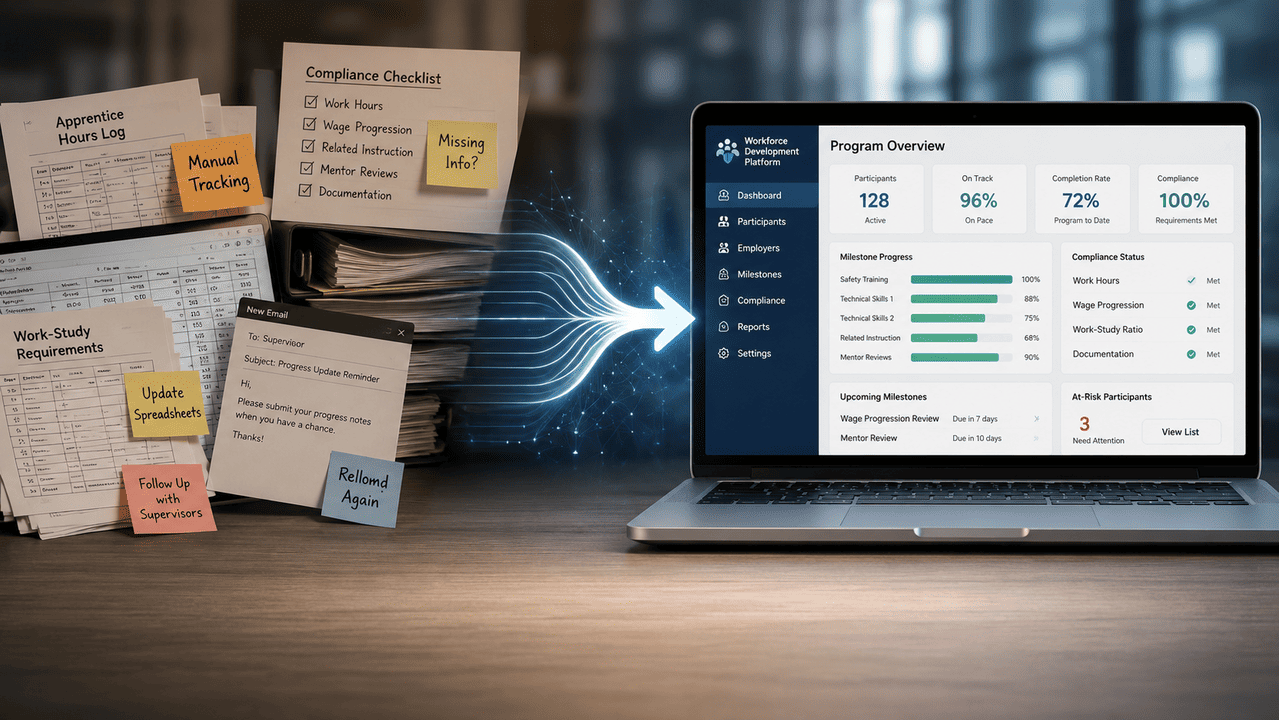
In a manually managed program, a single learner’s record typically lives in at least four places: an enrollment form in someone’s inbox, a training plan PDF in a shared drive folder, hours logs in a spreadsheet the apprentice updates themselves, and competency notes in a supervisor’s email thread. None of these sources communicate with each other. When an administrator needs a complete picture of that learner’s progress, they are assembling it from scratch every time. Multiply that by a cohort of fifteen and the administrative overhead becomes the primary job.
The Compliance Exposure That Builds Silently in Disconnected Systems
Fragmented records create compliance exposure that is invisible until it is not. A program under audit needs to produce verified hours logs, signed training agreements, and documented competency milestones on demand. When those records exist across disconnected systems maintained by different people using different formats, the audit preparation process itself becomes a liability. Missing entries that were never flagged, unsigned documents that were never followed up on, and inconsistent date records that cannot be reconciled are all artifacts of manual management, and they surface at the worst possible moment.
What Manual Management Actually Costs: An Illustrative Model
The costs of manual apprenticeship program administration are real and quantifiable, even if most programs never measure them.
Time Loss Per HR Manager Across a Single Program Cohort
Consider a cohort of twenty apprentices over a twelve-month program. A conservative estimate of manual administrative time includes initial enrollment processing and document collection (roughly two hours per learner), monthly hours verification and record reconciliation (approximately 1.5 hours per learner per month), and periodic progress reviews requiring data aggregation from multiple sources (two hours per review cycle per cohort). That totals well over 400 hours of administrative time annually, time spent on data management rather than program improvement, mentor support, or learner engagement.
Learner Dropout Risk When Engagement and Progress Go Unmonitored
Apprentices who fall behind on hours accumulation or stall on competency milestones rarely announce the problem. In a manually managed program, that stall is invisible until the learner disengages or withdraws. A purpose-built platform surfaces these signals automatically: an apprentice who has not logged hours in two weeks, a milestone that was due last month, a supervisor who has not completed a required check-in. Without visibility into these indicators, administrators are managing by exception, responding to problems only after they have already cost the program a participant.
Why Workarounds Reveal the Real Problem
The honest answer to tracking hours without dedicated software involves a combination of self-reported spreadsheets, supervisor email confirmations, and periodic reconciliation sessions. It can be done, and organizations do it regularly. But the answer itself demonstrates the underlying problem: every workaround in that process represents a point of failure, a compliance gap, or an administrative cost that purpose-built apprenticeship program management software eliminates by design.
The question is not whether manual tracking is technically possible. It is whether the time, accuracy, and compliance costs of manual tracking are acceptable when a structural alternative exists.
Comparison Rubric: Managing Apprenticeship Programs Across Three Operational Approaches
| Operational Dimension | Manual / Spreadsheet Management | Generic HR Tools | Purpose-Built Apprenticeship Tracking Software |
|---|---|---|---|
| Compliance Readiness | Low. Records are fragmented, inconsistently formatted, and difficult to produce on demand for audit. | Partial. Employment records are structured, but program-specific data (hours, competencies, training plans) is not captured. | High. Data is structured for audit from point of entry, with verified hours logs and documented competency milestones maintained automatically. |
| Time Per Administrative Task | High. Each task requires manual aggregation across multiple sources. | Moderate. Standard HR tasks are efficient, but apprenticeship-specific tasks still require manual workarounds. | Low. Workflows are automated, notifications are system-generated, and reporting is produced on demand without data assembly. |
| Learner Progress Visibility | Low. Administrators see problems after they occur, if at all. No real-time view of hours pacing or competency status. | Low. Generic systems track employment status, not learning progression against program standards. | High. Real-time dashboards show each learner’s hours accumulation, milestone completion, and engagement indicators at the individual and cohort level. |
| Scalability | Poor. Administrative burden grows linearly with cohort size, making program expansion operationally expensive. | Limited. Adding apprenticeship-specific data fields to a generic system creates fragility and workaround dependencies. | Strong. System architecture supports multiple concurrent cohorts without proportional increases in administrative effort. |
| Reporting Capability | Minimal. Reports require manual compilation and are susceptible to data entry errors and version conflicts. | Partial. Standard workforce reports are available, but program-specific outputs such as RAPIDS-ready data and competency progress reports are not supported. | Full. Configurable reporting produces the outputs regulators, sponsors, and internal stakeholders require, drawn from structured, verified data. |
Core Features to Demand from Any Apprenticeship Tracking Platform
What Features Should You Look For in Apprenticeship Tracking Software?
Not all platforms marketed as apprenticeship tracking software are built to the same standard. Some handle hours logging without competency tracking. Others automate notifications but lack the reporting structure regulators require. Choosing the wrong platform means inheriting a new set of limitations in place of the old ones. The evaluation should start with a clear distinction between capabilities that are required for basic program integrity and those that determine whether the platform scales.
Want to Learn More About Your Registered Apprenticeship Opportunities?
BOOK A FREE CONSULTATION
Non-Negotiable Capabilities for Structured Program Administration
These are the capabilities without which a platform cannot be considered fit for purpose.
Centralized Enrollment and Participant Data Management
Every apprentice record, including enrollment date, assigned mentor, program track, and completion status, should live in one place and be accessible without searching across systems. This sounds basic, but it is where most generic tools fail. The system needs to hold a complete, current record for each participant and maintain it through every phase of the program lifecycle. When an administrator needs to answer a question about a specific learner, the answer should come from one system, not three.
Structured Hours Logging with Supervisor Verification Workflows
Self-reported hours without a verification layer are not audit-ready records. A compliant platform captures hours entries from the apprentice, routes them to the assigned supervisor for confirmation, and stores the verified result with a timestamp. That verification chain is what distinguishes a defensible record from a spreadsheet entry. Any platform that treats hours logging as a simple data entry field without a structured approval workflow is leaving a compliance gap in the most scrutinized part of the program.
Competency and Skills Development Tracking Against Program Standards
Hours accumulation is a necessary condition for program completion, not a sufficient one. Registered Apprenticeship Programs require documented evidence that apprentices have demonstrated specific competencies, not simply worked a minimum number of hours. The platform needs to map completed work to the program’s defined skills framework and show progress against those standards in real time. Without this layer, hours tracking and competency tracking remain separate problems managed in separate places.
Operational Features That Separate Strong Platforms from Functional Ones
Beyond the non-negotiables, a set of operational capabilities determines whether a platform genuinely reduces administrative burden or simply digitizes it.
Automated Administrative Task Management and Notification Logic
A strong platform does not just store information. It acts on it. When an apprentice has not logged hours in a defined period, the system flags it. When a supervisor has a verification pending, the system sends a reminder. When a document is unsigned past its deadline, the administrator receives an alert. This notification logic is what prevents small oversights from compounding into compliance problems. Without it, the platform requires the same manual monitoring that made spreadsheet-based management unsustainable.
Onboarding Documentation Workflows and Digital Record Storage
Apprenticeship programs generate structured documentation from day one: training plans, enrollment agreements, competency assessment forms, and completion certificates. A capable platform automates the routing of these documents to the appropriate parties, tracks completion status, and stores signed records in a searchable, audit-ready repository. Administrators should never need to ask whether a document was signed. The system should surface that status without prompting.
Program Scalability: Managing Multiple Cohorts Without Linear Effort Growth
A platform that works for one cohort of fifteen should handle three simultaneous cohorts of fifteen without tripling the administrative workload. This requires a system architecture that treats cohorts as discrete program instances with shared configuration, applying the same workflows, compliance framework, and reporting structure independently to each group. If adding a cohort means building a parallel set of spreadsheets or duplicating manual processes, the platform has not solved the scalability problem.
The Two-Sided Value Test: Does the Platform Serve Both Sponsors and Apprentices?
An apprenticeship tracking platform that only serves administrators will underperform on the metric that matters most: program completion. Apprentices who cannot easily log hours, check their own progress, or communicate with their supervisor through the platform will find workarounds, or disengage entirely. The sponsor-side experience needs to be efficient and compliant. The learner-side experience needs to be clear and accessible. A platform that creates friction for either group will eventually show up in dropout rates, incomplete records, or both.
How Apprenticeship Tracking Software Supports Compliance and Regulatory Reporting
What Compliance Requirements Do Apprenticeship Programs Need to Track?
Compliance obligations vary by program type, but all structured apprenticeship programs carry documentation requirements that must be met consistently and produced on demand. The distinction between registered and non-registered programs determines the depth of those requirements, not whether they exist.
Registered Apprenticeship Programs and the RAPIDS Reporting Obligation
What RAPIDS Requires and Where Manual Processes Break Down
RAPIDS, the Registration, Apprenticeship, Placement, Information, Data System, is the federal database that tracks Registered Apprenticeship Program data for the U.S. Department of Labor. Sponsors of registered programs are required to submit enrollment records, hours data, competency completions, and participant demographic information at defined intervals. The data must be accurate, complete, and formatted to specification.
Manual processes break down here in two ways. First, the data required for RAPIDS submissions lives across multiple sources in a manually managed program, and assembling it under a submission deadline introduces reconciliation errors. Second, manual systems have no mechanism to flag missing or inconsistent data before it becomes a submission problem. A program administrator preparing a RAPIDS report from spreadsheets is catching errors at the worst possible moment.
How Purpose-Built Platforms Structure Data for Audit-Ready Reporting
A platform designed for registered programs captures every required data point at the source, including enrollment, hours, competency milestones, and demographic records, in a structured format that maps directly to reporting requirements. The report is generated from clean, verified data rather than assembled from fragments. Audit readiness becomes a byproduct of normal system operation, not a separate preparation effort.
Compliance Needs for Non-Registered Programs and Internship Lifecycles
Documenting Work-Based Learning Standards Without RAP Certification
Programs that are not registered with the Department of Labor still carry documentation obligations, particularly when they receive public funding, operate under sector-specific licensing requirements, or are subject to institutional accreditation standards. The specific requirements vary, but the operational need is the same: structured records that demonstrate the program met its stated educational and developmental objectives.
How HR Compliance Tracking Reduces Legal and Operational Exposure
Beyond external regulatory requirements, apprenticeship and internship programs create internal compliance obligations around labor law classification, training plan agreements, and documented supervision. A platform that maintains timestamped records of training activities, supervisor check-ins, and signed agreements provides the evidentiary foundation an organization needs if a classification dispute or program grievance arises. This is not a theoretical risk. It is the type of exposure that appears in employment litigation and is difficult to defend without thorough documentation.

What Audit Readiness Actually Looks Like in Practice
Audit readiness is not a state you prepare for. It is a condition the system maintains continuously. When a program administrator can pull a complete, verified record for any participant on any day without advance preparation, the program is audit-ready. That means every hours entry is verified, every required document is signed and stored, and every competency milestone is documented against the program standard. A purpose-built platform makes this the default operating condition. A manual system makes it a project.
Evaluating Platforms: What Separates Purpose-Built Solutions from Generic Workforce Tools
Why Generic HR and Workforce Development Software Falls Short for Apprenticeship Programs
Generic workforce tools are not poorly designed. They are designed for a different problem. An HRIS is built around employment records and payroll cycles. A learning management system is built around course delivery and completion tracking. Neither was designed around the apprenticeship lifecycle, where compliance, hours verification, competency progression, and learner engagement operate as a connected system rather than separate functions. When organizations attempt to manage apprenticeship programs in these tools, they do not get a bad experience so much as a series of workarounds, each of which adds overhead and introduces new points of failure.
A Structured Framework for Evaluating Apprenticeship Management Systems
Evaluating Data Architecture: Is the System Built Around the Apprenticeship Lifecycle?
The most useful diagnostic question is whether the platform’s native data model reflects the apprenticeship lifecycle or requires customization to approximate it. A system built for this purpose treats apprentices, sponsors, mentors, cohorts, and program standards as first-class data objects. A system adapted from another purpose treats them as custom fields added to a structure designed for something else. The difference surfaces in reporting accuracy, data integrity over time, and how much administrator effort is required to keep the system aligned with program reality.
Evaluating Reporting Depth: Can It Produce What Regulators and Sponsors Actually Need?
Reporting capability should be evaluated against specific outputs, not general descriptions. Confirm whether the platform can produce:
- RAPIDS-ready data exports without manual reformatting
- Individual learner progress reports showing hours and competency status at any point in the program
- Cohort-level completion and attrition summaries
- Supervisor verification logs with timestamps
If any of these require manual assembly or export to a separate tool, the platform’s reporting capability has gaps that will surface at the moments when accuracy matters most.
Evaluating User Experience: Does It Reduce Friction for Both the Administrator and the Learner?
User experience evaluation should happen at both interfaces simultaneously. The administrator experience should make complex, multi-cohort oversight manageable without constant manual intervention. The learner experience should make hours logging, milestone review, and supervisor communication straightforward enough that apprentices engage with the platform consistently rather than avoiding it. A technically capable platform that learners find cumbersome will produce the same incomplete records as the spreadsheet it replaced.
How to Migrate from Spreadsheets to Apprenticeship Management Software Without Disrupting Active Programs
Pre-Migration Audit: What Data Needs to Transfer and in What Format
Migration starts with a data inventory, not a software configuration. Before importing anything, map what currently exists: active learner records, historical hours logs, signed documents, competency assessments, and any partially completed onboarding materials. Identify which records are complete enough to transfer and which have gaps that need to be resolved before migration. Attempting to migrate incomplete or inconsistently formatted data carries those underlying problems directly into the new system.
Phased Onboarding to Preserve Program Continuity During Transition
Running a full program migration during active cohort operation creates unnecessary risk. A structured approach brings new cohorts into the platform first, using the clean enrollment workflow rather than importing records mid-program. Active cohorts continue under the existing process through their current phase, then transition to the platform at a natural program boundary, such as a review milestone, a new quarter, or the start of a new hours period. This sequencing protects current participants while establishing the new system as the operational standard going forward.
How Much Does Apprenticeship Management Software Cost? Building the Business Case
Pricing for apprenticeship management software varies by platform, cohort size, and feature depth, but the business case framing matters more than the specific number. The relevant comparison is not the platform cost against zero. It is the platform cost against the quantified cost of manual management: administrator hours spent on data assembly, compliance preparation, and record maintenance, plus the cost of learner attrition that goes undetected without progress visibility.
A program running two cohorts annually, with over 400 administrative hours consumed by manual management, is already absorbing a significant labor cost that does not appear on any software budget line. A platform that reduces that overhead substantially while eliminating the compliance exposure that manual systems carry will return its cost within the first program cycle for most organizations.
How GoSprout Centralizes the Full Apprenticeship Lifecycle in One System
The Operational Gap GoSprout Was Designed to Close
Most apprenticeship programs do not fail because of poor intentions or inadequate talent. They fail because the administrative infrastructure cannot keep pace with the program’s complexity. GoSprout was built specifically to close that gap: the space between how structured apprenticeship programs are supposed to operate and what is actually achievable when administrators are working from disconnected tools, manual logs, and assembled workarounds.
The platform is not a general workforce tool adapted for apprenticeship use. It is built around the apprenticeship and internship lifecycle as the primary design problem, which means the data model, the workflows, and the reporting outputs reflect how these programs actually operate rather than how an HRIS or learning management system was retrofitted to approximate them.
End-to-End Program Administration Without Platform-Switching
From Enrollment Through Completion: One Unified Talent Pipeline
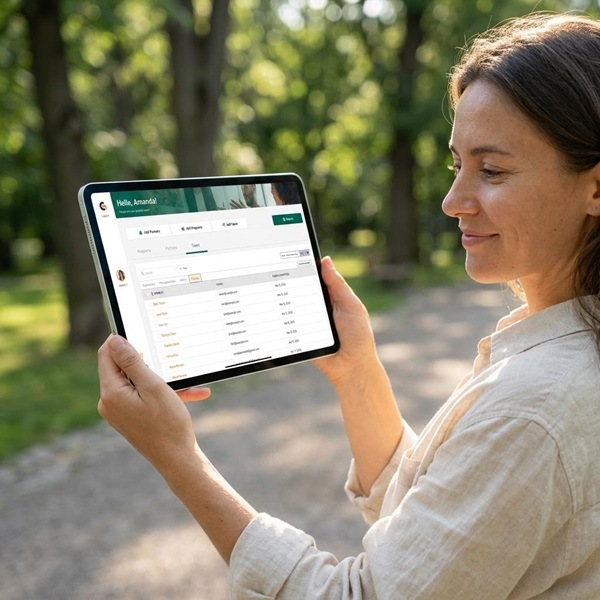
GoSprout manages every phase of the apprenticeship lifecycle within a single system. When a new cohort enters the program, enrollment records are created through a structured workflow that captures the required data at the point of entry rather than assembled after the fact from intake forms and email confirmations. Each apprentice’s record follows them through the program: their assigned track, their mentor relationship, their hours accumulation, their competency milestones, and their completion status.
That continuity matters because it eliminates the version-control problem that plagues manually managed programs. There is no “most recent spreadsheet” to locate and no question about whether a supervisor’s email confirmation made it into the log. The participant record is the single source of truth from day one through program completion, and it is always current.
Mentor Management, Progress Visibility, and Learner Engagement in a Single Interface
GoSprout connects all three parties in the apprenticeship relationship, the administrator, the mentor, and the apprentice, within one platform rather than coordinating them across separate tools. Mentors receive notification when apprentices submit hours, complete check-ins when milestones require sign-off, and have visibility into their assigned participants’ progress without needing a dashboard built for HR administrators.
Apprentices interact with the platform to log hours, review their progress against program standards, and track what is coming next in their program sequence. When both sides of the program are operating inside the same system, the administrator’s oversight role shifts from active coordination to exception management. The platform surfaces what needs attention, whether a missed hours submission, a pending supervisor verification, or a milestone approaching its deadline, rather than requiring administrators to monitor everything manually.
How GoSprout Addresses Compliance, Reporting, and Workforce Development in One Place
GoSprout structures data for compliance from the point of capture. Hours entries are verified through a supervisor approval workflow before they become part of the record. Documents are stored with timestamps and completion status in an audit-ready repository. Competency milestones are documented against the program’s defined standards, not tracked in a separate spreadsheet that may or may not align with what the system holds.
For organizations running Registered Apprenticeship Programs, this architecture directly supports RAPIDS reporting obligations. The data required for submissions, including enrollment records, verified hours, competency completions, and demographic information, is maintained in a structured format that maps to reporting requirements. Generating a submission-ready report is an output of normal system operation, not a preparation effort that requires reconciling data from multiple sources under a deadline.
For non-registered programs and internship lifecycles, GoSprout provides the same documentation discipline with a lighter compliance profile. Training agreements, onboarding documentation, and supervisor check-in records are maintained in one place, providing the evidentiary foundation organizations need if a classification question or program dispute arises.
Quick-Pick Recommendation: Is GoSprout the Right Fit for Your Program?
Use this guide to assess operational fit based on your current program structure and compliance obligations.
- Running a Registered Apprenticeship Program with RAPIDS reporting requirements. GoSprout’s structured data capture and audit-ready reporting address the compliance obligations of registered programs directly. If you are currently assembling RAPIDS submissions from spreadsheets, this is the highest-priority use case for the platform.
- Managing multiple concurrent cohorts or planning program expansion. If your administrative burden grows every time you add a cohort, the platform’s scalable architecture resolves the linear-effort problem without adding headcount or complexity.
- Overseeing an internship program with documentation and supervision requirements. GoSprout handles the full spectrum from internship to registered apprenticeship, making it the practical choice for organizations that run both program types and want a single system rather than two.
- Small to mid-size HR teams managing ten or more active participants. At this scale, manual coordination becomes the primary job. GoSprout’s automated workflows and notification logic return time to the team currently consumed by record maintenance and follow-up.
- Programs currently using spreadsheets, email, or disconnected HR tools. If your compliance readiness depends on someone remembering to check a shared drive, GoSprout provides the structural upgrade that manual systems cannot replicate.
Conclusion: Purpose-Built Infrastructure Is the Foundation of a Credible Apprenticeship Program
The Cumulative Argument: What Manual Management Costs That Software Eliminates
The case built across this article points to a consistent pattern: manual management does not simply create inconvenience. It creates compounding administrative overhead, invisible compliance exposure, and learner engagement gaps that each cost the program something, whether time, accuracy, completion rates, or defensibility under audit. None of these costs appear on a line item. They are absorbed into staff capacity, tolerated as program inefficiency, or discovered at the worst possible moment during an audit or a participant dispute.
Purpose-built apprenticeship tracking software does not simply digitize these manual processes. It replaces the underlying problem with a structure that prevents it.
Choosing a Platform That Grows With Your Workforce Development Goals
Apprenticeship programs are not static. Organizations that start with a single cohort in one trade or function often expand, adding more participants, more program tracks, and more compliance obligations over time. The platform decision made at program launch either supports that growth or constrains it. A system built around the apprenticeship lifecycle scales naturally as the program scales. A system adapted from general HR tools accumulates workarounds at every expansion point until those workarounds become the primary administrative burden.
The right platform treats program growth as a configuration change, not an operational project. Multiple cohorts, multiple program tracks, and varied compliance profiles should be manageable within the same system architecture that handled the first cohort, not a reason to rebuild the administrative process from scratch.
The Next Step: Evaluating GoSprout for Your Apprenticeship or Internship Program
If the operational patterns described in this article are recognizable, whether fragmented records, manual hours reconciliation, compliance uncertainty, or administrative overhead that scales with every new participant, the practical next step is a direct evaluation of GoSprout against your program’s specific requirements.
That evaluation should be grounded in your actual program structure: how many active participants you manage, what your compliance obligations are, where your current process breaks down most frequently, and what a migration from your existing tools would require. GoSprout is designed to support that assessment with the specificity your program needs.
The programs that run most credibly and scale most effectively are built on infrastructure that matches their ambitions. If your program deserves serious investment, the tracking system behind it should reflect that.
Frequently Asked Questions
The most reliable method for tracking apprenticeship hours combines a structured digital log with a supervisor verification step. Purpose-built apprenticeship tracking software captures hours entries from the apprentice, routes them to the assigned supervisor for confirmation, and stores the verified record with a timestamp. This creates an audit-ready trail that self-reported spreadsheets or email confirmations cannot reliably replicate.
Yes. Modern apprenticeship management platforms are delivered as mobile-accessible web applications, allowing apprentices to log hours, review their progress, and communicate with supervisors from any device. For programs where participants work across multiple job sites, mobile access is an operational necessity rather than an optional feature.
The most critical features are centralized participant record management, structured hours logging with supervisor verification workflows, and competency tracking against your program’s defined standards. Beyond those foundations, look for automated notification logic, onboarding documentation workflows, and reporting outputs that meet your specific regulatory obligations, including RAPIDS-ready exports for registered programs.
Registered Apprenticeship Programs require sponsors to maintain verified hours records, documented competency milestones, signed training agreements, and participant demographic data for submission to the U.S. Department of Labor via RAPIDS. Non-registered programs and internship lifecycles carry their own documentation obligations depending on funding sources, sector-specific licensing, and institutional accreditation standards. All structured programs benefit from timestamped records of training activities, supervisor check-ins, and signed agreements to manage classification and liability risk.
Start with a data inventory before configuring any software. Map your existing records, identifying which are complete enough to transfer and which need to be resolved first. Bring new cohorts into the platform through its native enrollment workflow rather than importing mid-program records. Allow active cohorts to complete their current phase under the existing process, then transition them to the platform at a natural program boundary. This approach protects current participants while establishing the new system as the operational standard going forward.
Pricing varies by platform, cohort size, and feature depth. The more useful framing for the business case is a comparison against the cost of manual management, including administrator hours spent on data assembly, compliance preparation, and record maintenance, as well as the cost of learner attrition that goes undetected without real-time progress visibility. For most organizations running multiple cohorts annually, a purpose-built platform returns its cost within the first program cycle through administrative time savings alone.
You can learn more about US dol apprenticeship guidance here.


