
Table of Contents
- Introduction: What Counts as OJT Hours
- Why Accurate OJT Hour Tracking Matters
- Core Rules for Logging OJT Hours
- Manual vs. Digital OJT Tracking Methods
- Step-by-Step: How to Track OJT Hours for Apprenticeships
- Supervisor Review & Verification
- Compliance & Reporting
- Why Choose Our Platform
- FAQs About OJT Hour Tracking for Apprenticeships
- Conclusion: Building a Sustainable OJT Tracking Process
Introduction: What Counts as OJT Hours (and Why They Matter)
On-the-job training hours represent the documented, supervised work that apprentices must complete to earn their credentials. Whether you’re running an electrical program under IBEW standards or managing IT apprenticeships, these hours are the currency of progress. Logging on-the-job training hours can be more complex than it seems, due to the complexity of managing multiple categories and ensuring compliance with various requirements. Apprentices often work on projects that span multiple categories, making it challenging to allocate time accurately.

In practice, tracking OJT involves apprentices recording their daily work by category, supervisors verifying those entries, and program coordinators reviewing monthly summaries for compliance standards. IBEW electrical apprentices, for example, must log 8,000 hours across 12 work categories over 4-5 years. The use of digital tools for apprenticeship management not only streamlines this process but also ensures compliance with federal or state apprenticeship requirements.
What counts as OJT:
- Supervised work tasks aligned with your registered work process schedule
- Installation, maintenance, troubleshooting, and safety activities
- Time spent applying learned skills under qualified supervision
What doesn’t count:
- Unrelated administrative tasks or breaks
- Unsupervised work without mentor verification
- Classroom instruction (tracked separately as RTI)
Why Accurate OJT Hour Tracking Matters in 2024–2026
The Department of Labor and state apprenticeship agencies rely on precise OJT logs for program approval, audits, and wage progression decisions. Compliance with Department of Labor requirements and state-specific regulations is essential for Registered Apprenticeship Programs to ensure quality and safety. Accurate record-keeping is critical for certification, wage increases, and compliance audits related to apprenticeship on-the-job training hours.
Impact on apprentices:
- Delayed wage step increases when hours aren’t properly documented
- Denied journeyman credentials if records contain gaps or discrepancies
- Extended completion timelines that affect careers and earning potential
Impact on employers and training providers:
- Failed audits leading to clawbacks on grant funding
- Lost RAP status affecting your ability to operate registered apprenticeships
- Difficulty proving program outcomes to workforce partners and funders
- Compromised ability to track progress and forecast when cohorts reach full productivity
Core Rules for Logging OJT Hours (Level of Detail & Frequency)
Setting up clear logging rules is more art than science, but programs that succeed have written expectations everyone understands. Effective communication about logging expectations and compliance requirements is crucial to avoid difficulties in managing wage progressions and producing usable data for audits.
Most apprenticeship programs require apprentices to log their hours monthly, but some may prefer to align this with their company’s payroll schedule, which could be weekly or biweekly. Daily or weekly submission of logged hours by apprentices is recommended to ensure accuracy and prevent backlogging.
Practical checklist for sponsors:
- Define major work process categories (e.g., 1,000 hours installation, 500 hours maintenance, 500 hours safety)
- Decide logging frequency—daily entries with weekly or monthly submission works best
- Communicate expectations during onboarding orientation in 2026
- Include clear milestones in your program handbook so apprentices understand targets
- Send recurring reminders from coordinators to reduce administrative burden
- Address overlapping tasks with written guidance on category selection
Manual vs. Digital OJT Tracking Methods
Programs typically choose between three options: paper timesheets, spreadsheets, or dedicated digital tracking platforms. Each has trade-offs worth understanding before you commit.
Paper logs are easy to start with—apprentices write down hours daily and get supervisor signatures. However, manual systems for tracking apprenticeship hours can be challenging to maintain and often lead to issues like illegible handwriting and verification scrambles before graduation. Sheets get lost, arithmetic errors compound, and you’ll spend hours chasing down signatures. Compliance management involves many moving parts, such as regulations, documentation, and deadlines, making it difficult to keep everything organized. A dedicated system simplifies these moving parts by centralizing and automating compliance tasks.
Spreadsheets offer more structure. Many programs use shared Excel or Google Sheets templates with monthly tabs for 2024, 2025, and 2026 data. The limitations emerge at scale: version control problems create conflicting data, reminders remain manual, and there’s no built-in approval workflow keeping everyone on the same page.
Digital platforms for logging OJT hours can streamline the process by allowing apprentices to submit their hours directly to supervisors, reducing the reliance on paper timesheets and manual tracking. Digital tracking systems for apprenticeships streamline the process by allowing apprentices to log their hours directly into an online portal or mobile app, reducing manual logging issues and enabling supervisors to review and approve submissions efficiently.
Key considerations when choosing:
- Union or company device policies may restrict app installation
- IT security reviews for cloud platforms
- Data retention rules—keep OJT records for 5-7 years minimum
- Mobile friendly access for field-based supervisors
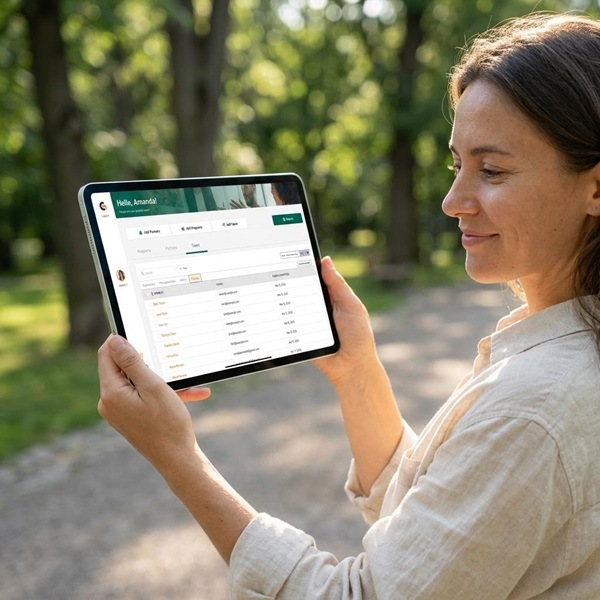
Step-by-Step: How to Track OJT Hours for Apprenticeships
This section walks through the complete workflow from setup to ongoing management. Here’s how to track OJT hours for apprenticeships using a systematic approach that keeps everyone accountable, as modern tracking tools foster accountability by ensuring transparency and responsibility among apprentices, supervisors, and program managers throughout the process.
Step 1: Set up work process schedule and hour targets before apprentices start. For a July 2026 cohort, this means having categories and allocations registered with your state agency.
Step 2: Train apprentices during orientation on where, when, and how to log hours. Setting clear milestones for apprentices helps break down the overall program into manageable stages, providing clear goals and a sense of accomplishment along the way.
Step 3: Require daily or shift-based entries even if formal submission is weekly or monthly. Modern apprentice tracking systems automate the monitoring of an apprentice’s journey from day one to graduation, providing real-time visibility into their progress against OJT hours and related technical instruction.
Step 4: Have supervisors review and approve hours on a fixed schedule—every Friday by 3 p.m. works well for many programs.
Step 5: Program managers review monthly summaries to spot gaps or overages in particular work processes. Modern apprentice tracking systems provide real-time visibility into each apprentice’s progress, allowing program managers to identify who is on pace and who may need additional support or timely support.
Sample weekly log:
- Monday: 8 hours Raceways & Boxes
- Tuesday: 8 hours Installation
- Wednesday: 4 hours Maintenance + 4 hours Safety Training
- Thursday: 8 hours Troubleshooting
- Friday: 8 hours Installation
Competency-Based Tracking in apprenticeship systems allows for breaking down logged hours by specific tasks, aiding in skill acquisition tracking.
Supervisor Review, Verification, and Audit Readiness
Logged OJT hours aren’t official until a qualified supervisor signs off. Regular verification of logged hours by supervisors can help ensure data integrity in apprenticeship tracking systems. Supervisors should compare logs against work orders, job schedules, and payroll records to catch discrepancies early.
Linking apprentice time logs with payroll systems helps ensure that reported apprenticeship hours match hours actually worked. If an apprentice logs 40 OJT hours but payroll shows only 35, that 5-hour gap needs investigation before approval.
Supervisor verification checklist:
- Clear all pending hours by the 5th of each month for accurate wage reviews
- Cross-reference OJT entries with job tickets and work orders
- Flag and resolve discrepancies before they become audit findings
- For multi-employer joint programs, collect payroll reports from each company
- Document approval with timestamps for audit readiness and stay audit ready
Effective communication among all stakeholders—apprentices, mentors, supervisors, and HR—is vital to prevent misunderstandings and disengagement.
Compliance, Reporting, and Funding (Federal, State, and Grant Requirements)
OJT logs feed directly into compliance reporting for the Department of Labor, state apprenticeship agencies, and grant funders like WIOA. A dedicated apprentice tracking system can help manage compliance by ensuring all necessary documentation is in place and deadlines are met, acting as a digital compliance officer.
A centralized apprentice tracking system consolidates all apprentice data into one secure and accessible location, enhancing data management efficiency and facilitating better reporting and insights.
Critical reporting requirements:
- Wage progression reports for joint apprenticeship committees
- Completion reports to state agencies meeting state requirements
- Quarterly summaries and annual audits
- Exportable records meeting DOL Form 671 standards
- Grant outcome documentation demonstrating workforce impact
Strong OJT data supports renewal or expansion of funding. When auditors ask to see an apprentice’s full history, category breakdowns, and approval trail, consistent digital records simplify the response dramatically. Tracking skill acquisition involves assessing the quality of skills learned and the apprentice’s ability to apply them in real-world situations, which is crucial for ensuring compliance with industry standards.
Why Choose Our Platform to Track OJT Hours
Our platform is purpose-built apprenticeship tracking software—not a generic timekeeping tool repurposed for your needs. We handle OJT tracking end-to-end so you can focus on developing talent rather than ticking boxes.
Competency-Based Tracking allows users to categorize logged hours by specific skill categories to ensure mastery across all program requirements. A centralized communication hub can enhance stakeholder communication by providing features that facilitate real-time collaboration and transparency.
Benefits for different users:
For apprentices:
- Clear progress dashboards showing completion status
- Automatic alerts when falling behind in a category
- Mobile friendly interface allowing apprentices to log OJT from any job site
For supervisors:
- Quick approval queues with ability to add feedback
- Approve hours in two clicks from any device
- Comment on questionable entries before they become problems
For program managers:
- Real time visibility across all cohorts and skills
- Exportable reports for DOL and state agencies supporting scale
- Configurable work process schedules aligned with your registered standards
- Automated reminders reducing manual follow-up and ensuring compliance

Regular feedback from all stakeholders, including apprentices and mentors, is invaluable for identifying areas for improvement and fostering a culture of continuous enhancement.
Ready to simplify your OJT tracking? Schedule a demo to see how our system supports your 2026 cohort from enrollment to completion.
FAQs About OJT Hour Tracking for Apprenticeships
Daily logging with weekly or monthly submission is the recommended approach. This ensures accuracy while the work is fresh, prevents backlogging, and gives supervisors manageable review windows. Our system supports any submission schedule your program requires.
Reconstruction is possible using payroll records, job tickets, and supervisor notes. Programs should set clear cut-off dates—typically allowing 5-7 days to add missing entries before locking prior periods. Our database maintains a complete audit trail of any retroactive entries.
No. Related Technical Instruction is tracked separately from on-the-job training hours. Each has distinct requirements under most state apprenticeship standards. Our platform manages both but keeps the documentation separate for compliance purposes.
Best practice is 5-7 years, though specific retention requirements vary by state, grant funding source, and employer contracts. Our cloud storage maintains secure records with full audit trails throughout the retention period.
Yes. Multi-employer and joint programs often need different supervisors to approve hours for different periods or job sites. Our platform supports multi-approver workflows that route entries to the appropriate supervisor based on work location or project.
Beyond simple hour counting, modern systems track whether apprentices have demonstrated required competencies. Our platform allows supervisors to verify skills mastered alongside hour approval, ensuring learners are building real capabilities.
Conclusion: Building a Sustainable OJT Tracking Process
Effective OJT tracking comes down to clarity of rules, consistent logging habits, supervisor verification, and the right tools. When you move from spreadsheets and paper to a dedicated tracking system, audits become routine, wage progressions run on schedule, and your team can focus on what matters—developing skilled workers for the future.
The programs that scale successfully in 2026 and beyond treat OJT tracking as foundational infrastructure, not administrative overhead. With clear documentation and real time visibility into apprentice progress, you’re positioned to demonstrate outcomes to employers, funders, and state agencies.
Implement these best practices faster by adopting a platform built for apprenticeship success. Explore our services and schedule a demo to see how we can support your program’s growth.
Want to Learn More About Your Registered Apprenticeship Opportunities?
BOOK A FREE CONSULTATION