

Table of Contents
- Introduction: Why Apprenticeship Management Matters More Than Ever in 2026
- What Is Apprenticeship Management? (And How It Differs From General Training Management)
- Core Components of Effective Apprenticeship Management
- Why Apprenticeship Management Software Is Becoming Essential
- Key Features to Look For in an Apprenticeship Management System
- Apprenticeship Management for Different Stakeholders
- Designing, Launching, and Scaling an Apprenticeship Program
- Common Apprenticeship Management Challenges (and How to Avoid Them)
- Why Choose Our Apprenticeship Management Platform
- Next Steps: How to Move Your Apprenticeship Management Forward
- FAQs About Apprenticeship Management and Apprenticeship Management Software
Introduction: Why Apprenticeship Management Matters More Than Ever in 2026
Registered apprenticeship programs in the US expanded dramatically by 2026, with nearly 678,014 active registered apprentices as of FY 2025-an 88% increase over the prior decade. Federal guidance now promises 30-day registration determinations, and the Department of Labor has set an ambitious target of one million active apprentices. Yet apprentices still represent just 0.2% of the American workforce, far behind peer nations like Germany and Australia.
The opportunity is enormous. So is the operational challenge. Organizations trying to run an apprenticeship program with spreadsheets, email threads, and paper timesheets quickly discover the real cost: missed wage progressions, incomplete compliance reporting, lost documentation, and mentors who lack visibility into how their apprentices progress. Apprenticeship management involves planning and tracking workplace training programs end to end-from program design through registration, on the job training delivery, related technical instruction coordination, and completion credentials.
This article walks through what apprenticeship management actually requires, the essential elements of a strong system, how apprenticeship management software supports compliance and scaling, and how different stakeholders-employers, training providers, sponsors, and workforce agencies-can use it to build a stronger workforce.
What Is Apprenticeship Management? (And How It Differs From General Training Management)
Apprenticeship management is the coordinated planning, delivery, and oversight of on the job learning and related technical instruction for apprentices, including compliance with registered apprenticeship standards set by federal or state agencies. It handles unique apprenticeship entities like mentors and competencies that generic tools simply were not designed for.
This distinguishes it from a general training management system or standard LMS tools. A typical LMS delivers courses and tracks completions. Apprenticeship management adds layers that matter: progressive wage schedules, occupation-specific competency maps, mentor sign-offs, ratio tracking, and regulatory reporting to systems like RAPIDS or WIPS. Progress in apprenticeship is measured through clear competencies and structured learning paths-not just course grades.
The lifecycle looks like this: program design and standards development, registration as a registered apprenticeship, apprentice recruitment and onboarding, concurrent OJT and RTI tracking, periodic evaluations and competency sign-offs, and finally credential issuance at completion. A robust apprenticeship program design includes defined learning objectives and structures that connect three groups: employers who provide the job and mentorship, apprentices who learn and earn, and training providers who deliver instruction. Sponsors and workforce agencies often coordinate behind the scenes to keep everything aligned.
Want to Learn More About Your Registered Apprenticeship Opportunities?
BOOK A FREE CONSULTATION
Core Components of Effective Apprenticeship Management
Strong apprenticeship management depends on getting several core components right-not just purchasing management software.
Program design and standards come first. You need to define occupation standards, work processes, and competencies that align with real job roles and produce a clear job description at completion. Subject-matter experts and employer advisory boards should validate these standards so apprentices develop new skills that actually match what the business needs. Structured apprenticeship programs also promote managerial development among junior staff who serve as mentors, giving them leadership reps they would not otherwise get.
On the job training structure breaks work into tasks, hours, and measurable competencies. On the job training tracking ensures trainees gain required competencies under supervision. For example, an advanced manufacturing technician apprenticeship might require logged hours across CNC operation, preventive maintenance, and safety protocols-each signed off by a qualified mentor. Mentors play a critical role in providing feedback and guidance, and monitoring apprentice progress involves evaluating skill acquisition at regular intervals.
Related technical instruction and training content must map directly to work processes. This could be classroom-based, online, or hybrid, often coordinated with community colleges or in-house instructors. Strong partnerships with educational institutions enhance apprenticeship program success. Apprenticeships provide participants with industry-recognized certifications and practical experience, which is why training sessions need to be rigorous, not just check-the-box.
Governance and roles need clear definition: sponsors, mentors, supervisors, coordinators. Equal employment opportunity and affirmative action obligations apply to sponsors with five or more apprentices. Documentation and records management-agreements, individual training plans, evaluations, attendance tracking, completion certificates-must be maintained and easily retrievable for audits. Feedback loops between apprentices, mentors, and program managers improve the apprenticeship experience and catch problems early.
Why Apprenticeship Management Software Is Becoming Essential
When you have five apprentices in one occupation at one site, a well-organized spreadsheet might get the job done. When you have forty apprentices across three locations with different mentors, training providers, and wage schedules, manual management breaks down fast. The pain points are specific: reconciling timesheets takes hours, chasing signatures delays wage progressions, and preparing RAPIDS or state reports becomes a quarterly fire drill.
Apprenticeship management software is a specialized type of management software built specifically for registered apprenticeship and work-based learning training programs. It centralizes tracking and compliance reporting in a single centralized platform. Effective software reduces administrative work by 99.7%, which is not a rounding error-it is the difference between a coordinator spending forty hours a month on data reconciliation versus minutes. The GACC PIT program, for example, manages 143 apprentices across 43 employers and has captured nearly 195,000 OJT records without adding administrative headcount, reducing admin time by roughly 78%.
Apprenticeship management software tracks OJT and RTI hours, automates essential tasks like scheduling and wage progression, and supports hybrid training delivery models for organizations running remote or blended RTI. Apprentices can log hours via mobile apps for convenience, which means a plumber’s apprentice on a job site or an IT support apprentice at a help desk can submit time entries from any device. Automation minimizes administrative burdens in apprenticeship programs so your team can focus on coaching rather than paperwork. Apprenticeship management software also centralizes scheduling and tracking so nothing falls through the cracks.

Key Features to Look For in an Apprenticeship Management System
Think of this as a buyer’s checklist. Not every system covers every item, but these are the things apprenticeship management platforms should handle well.
Program configuration tools let you assemble occupation templates, define OJT task breakdowns, build RTI course catalogs, and set wage progression rules. Custom development options allow you to adapt templates for specific needs rather than starting from scratch each time you register a new program.
Apprentice tracking capabilities give you live dashboards showing cumulative hours by work process, competency sign-offs, assessment history, and alerts when apprentices fall behind or qualify for a wage increase. Centralized software manages competencies and wage progressions efficiently, so scheduling wage progressions happens automatically rather than through calendar reminders.
Compliance and reporting features store signed documents, generate audit-ready exports, and capture evidence behind each logged hour. Automated platforms generate RAPIDS and ESFA reports for compliance, and aggregate data for regulatory compliance reporting across multiple registered programs. Effective compliance tracking integrates education, training, and employment data into unified exports.
Communication and engagement tools include messaging between apprentices, mentors, and coordinators, automated reminders for RTI deadlines, and cohort-wide announcements. These keep the apprenticeship ecosystem connected without constant email chasing.
Integrations with HRIS, payroll, student information systems, and external LMS tools eliminate duplicate data entry. Usability means role-based permissions, cloud access, and mobile apps so apprentices can log hours from any device, often via mobile apps, and instructors can review progress from anywhere.
Apprenticeship Management for Different Stakeholders
Apprenticeship management looks different depending on your role in the apprenticeship ecosystem.
Employers use it to build internal talent pipelines and fill persistent roles where traditional hiring falls short. Employers benefit from apprenticeships through improved productivity and reduced turnover – Trane Technologies saw 86% retention across 200+ apprentices in 30 states. Employers can tailor apprenticeship programs to meet specific workforce needs, structuring pathways from apprentice to full-time employee with clear milestones. Data-driven management ensures tracking of apprenticeship outcomes like retention and productivity so leadership can see ROI.
Training providers need tools for coordinating RTI schedules across multiple employers, aligning curricula with occupation standards, tracking grades and attendance, and reporting outcomes to funders. They care about whether apprentices receive training content that actually prepares them for the job, not just seat time.
Sponsors and workforce agencies handle registration, multi-employer standards, and cross-employer cohorts. Consider a regional initiative like the Water Services Collaborative, where multiple utility employers share a registered apprenticeship program with a local college providing instruction-all coordinated through a comprehensive tool that keeps documentation, reporting, and scheduling consistent across the partnership.
Designing, Launching, and Scaling an Apprenticeship Program
Strategy and role selection starts by identifying priority occupations with high turnover or skill shortages. Analyze current job descriptions and confirm which roles fit an earn-and-learn model over 12–36 months. Not every job is suited for apprenticeship; focus on careers where skills can be taught progressively on the job.
Standards and curriculum development requires working with apprenticeship experts and training providers to define work processes, hour requirements, and RTI syllabi. This is where you develop the plan that maps competencies to real tasks and choose or create the education resources apprentices will use.
Registration and compliance means submitting standards, wage schedules, and agreements to the Office of Apprenticeship or your State Apprenticeship Agency. In 2026, the department has committed to 30-day registration determinations. Apprenticeship programs must meet US Department of Labor standards, so documentation needs to be thorough from the start.
Recruiting and selection should reach high school graduates, career changers, and under-represented groups. Remove unnecessary degree requirements, communicate the wage progression clearly, and use pre-apprenticeship bridges where possible.
Running cohorts means defined start dates, assigned mentors, coordinated RTI schedules, and regular checkpoints. Tracking metrics helps organizations identify improvement areas in apprenticeship programs and intervene before apprentices fall off track.
Scaling is where software pays for itself. Organizations can scale apprenticeships to new sectors or locations without multiplying administrative headcount. Trane Technologies went from concept to a registered apprenticeship program in under 90 days, then expanded across industries and states. Apprenticeship management software makes replication manageable by standardizing templates, data flows, and reporting across every new occupation or worksite.
Common Apprenticeship Management Challenges (and How to Avoid Them)
Many organizations stumble on the same issues when they first launch or expand. Here are the most common.
Misalignment between training and job readiness happens when training content does not reflect real work. If the job description says “troubleshoot PLC faults” but the RTI covers only theory, apprentice achievements will not translate to productivity. Map every competency to actual tasks and update standards regularly with employer input.
Inconsistent OJT and RTI tracking undermines both compliance and decision-making. RAPIDS reporting requires accurate documentation for audits, and compliance in apprenticeship management includes maintaining documentation for labor laws. Without a system, hours get lost, mentors forget to sign off, and you discover gaps weeks later.
Inadequate mentor support causes apprentices to leave early. Give mentors clear expectations, structured check-in schedules, and data that shows which apprentices need help. A deeper understanding of mentor capacity prevents burnout as programs grow.
Compliance blind spots-missed wage increases, incomplete equal employment opportunity records, outdated standards-create audit risk. Effective apprenticeship management incorporates compliance with regulatory requirements by building automated checks into the workflow rather than relying on memory.
Change management resistance from managers unfamiliar with apprenticeship can stall an initiative before it starts. Communicate the benefits with real data: retention rates, cost savings, time-to-productivity. Show the business case, not just the compliance case.
Why Choose Our Apprenticeship Management Platform
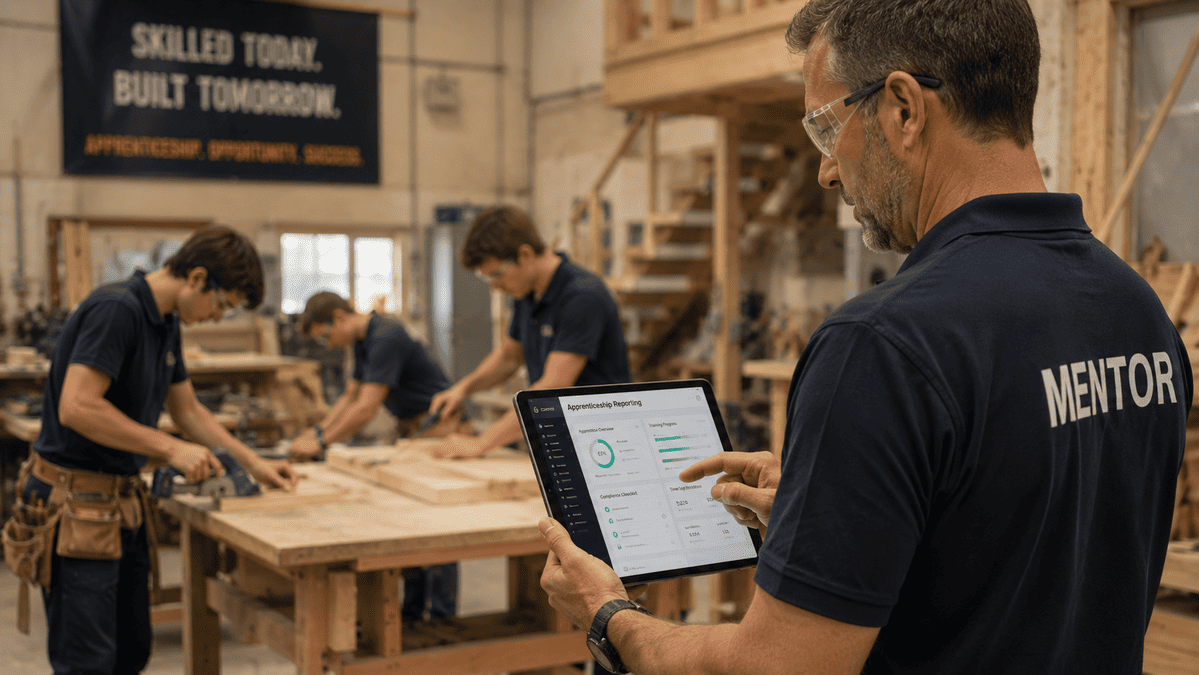
GoSprout is built as a comprehensive tool for the entire apprenticeship lifecycle-not a generic LMS with apprenticeship features bolted on. The platform centralizes tracking and compliance reporting for employers, training providers, sponsors, and apprentices in one place. Effective management software reduces administrative work by 99.7%, freeing your company to invest time in mentorship and program quality rather than data entry.
Built-in support for US registered apprenticeship reporting-including RAPIDS, WIPS, and PIRL exports-keeps your registered programs audit-ready. Configurable standards accommodate multiple states, occupations, and industries from a single account. Role-based access ensures secure data separation in multi-employer programs, and mobile-friendly design means apprentices can log hours and access training schedules from job sites or classrooms.
The result: high quality apprenticeships that scale without scaling your administrative team. Whether you are launching your first apprenticeship or expanding across the country, GoSprout gives you the resources to manage it with confidence and build a future-ready workforce.
Next Steps: How to Move Your Apprenticeship Management Forward
The organizations seeing the strongest results in 2026 did not wait for perfect conditions. They started with one occupation, one cohort, and the right system-then scaled from there.
Here is a practical path forward: audit your current apprenticeship and training processes, identify gaps in tracking, reporting, and communication, align internal stakeholders around clear apprenticeship goals, and then evaluate apprenticeship management software options that fit your business. Start with a pilot cohort to validate new processes before rolling out across the organization.
Ready to learn how a modern apprenticeship management system can support your 2027–2030 workforce strategy? Reach out for a demo, ask us your specific questions about registered apprenticeships or work-based learning, and see how GoSprout can help you develop the talent pipeline your company needs.
FAQs About Apprenticeship Management and Apprenticeship Management Software
These are the questions we hear most from organizations evaluating their apprenticeship needs in 2026.
What is the difference between apprenticeship management and general HR or learning management?
General HR and LMS tools handle broad functions like payroll, benefits, or e-learning. Apprenticeship management software handles compliance reporting for registered programs, including OJT hour tracking, wage progressions, mentor sign-offs, and regulatory exports that generic systems do not support. It complements existing HRIS and LMS tools by adding the compliance and tracking layers specific to managing apprentices.
Do I need apprenticeship management software if I only have a small program?
Programs under five apprentices in a single occupation can start with structured templates, but you still must meet every compliance requirement. Once you add multiple cohorts, employers, or occupations, the risk of errors and missed wage steps grows fast-and the real cost of manual management becomes clear.
How long does it take to set up a registered apprenticeship program with proper management processes?
Expect 3–9 months depending on occupation complexity, state regulations, and how quickly partners align on standards and training content. Trane Technologies completed registration in roughly 90 days by leveraging existing training resources and a streamlined system. Good templates and a well-designed apprenticeship management system shorten the timeline.
What kinds of data should we track in an apprenticeship management system?
Track apprentice demographics, enrollment and completion dates, OJT hours by work process, RTI course grades, wage progression milestones, credentials earned, mentor assignments, and employment outcomes post-completion. This data supports reporting to funders and leadership and drives continuous improvement of the program.
How does apprenticeship management support diversity, equity, and inclusion goals?
Structured apprenticeship management lets organizations remove unnecessary degree requirements, create earn-while-you-learn pathways, and systematically track participation and outcomes for under-represented groups. Pre-apprenticeship bridges and transparent promotion criteria can be embedded into program design and monitored through the same platform.
Can apprenticeship management systems support non-registered apprenticeships or internships?
Yes. The same features-OJT tracking, RTI management, evaluations, and supervisor feedback-apply to internships, youth apprenticeships, and other work-based learning models. Many organizations pilot with internships, then convert successful designs into registered apprenticeships as they mature.
What should we prepare before choosing apprenticeship management software?
Gather your existing standards, job descriptions, training materials, example timesheets, and reporting requirements. Clarify your goals-whether that is scaling, compliance, or multi-employer coordination-and identify which team members will use the system daily. Run a short process-mapping exercise to document how apprentices are currently recruited, onboarded, trained, and progressed so you can evaluate software against your actual workflows and specific needs.