This article walks you through the train the trainer model, how to identify training needs, key adult learning principles, and how to design trainer programs that work for both new trainers and experienced trainers.
Table of Contents
- Why Train the Trainer Programs Matter Now
- What Is a Train the Trainer Program?
- Core Components of Effective Train the Trainer Programs
- How to Identify Training Needs for Your Trainer Program
- Adult Learning Principles Every Internal Trainer Should Use
- Designing Training Content for New and Experienced Trainers
- Building Trainer Skills: Facilitation, Coaching, and Feedback
- Delivery Formats: In-Person, Virtual, and Hybrid Workshops
- Common Challenges and How to Solve Them
- Measuring the Impact of Your Train the Trainer Model
- What to Look for Before Choosing or Designing a Program
- FAQs About Train the Trainer Programs
- Why Choose Our Team to Support Your Train the Trainer Initiative
- Next Steps: Launch or Improve Your Train the Trainer Program
Why Train the Trainer Programs Matter
Organizations in 2027 are under pressure to scale apprenticeships, internships, and on-the-job learning fast. Designing and launching a fully compliant apprenticeship program alone can take six months before any instruction begins. Relying entirely on external workshops or consultants to fill that gap is expensive and difficult to sustain. The train-the-trainer approach enhances the scalability of training programs by building internal capacity that grows with your organization.
A well-structured train the trainer program turns subject matter experts into confident instructors who can deliver consistent, effective training across sites, shifts, and cohorts. Train the trainer programs enhance internal training consistency, whether you are launching apprenticeship cohorts, onboarding large numbers of employees, or standardizing safety and compliance training in regulated industries.
What Is a Train the Trainer Program?
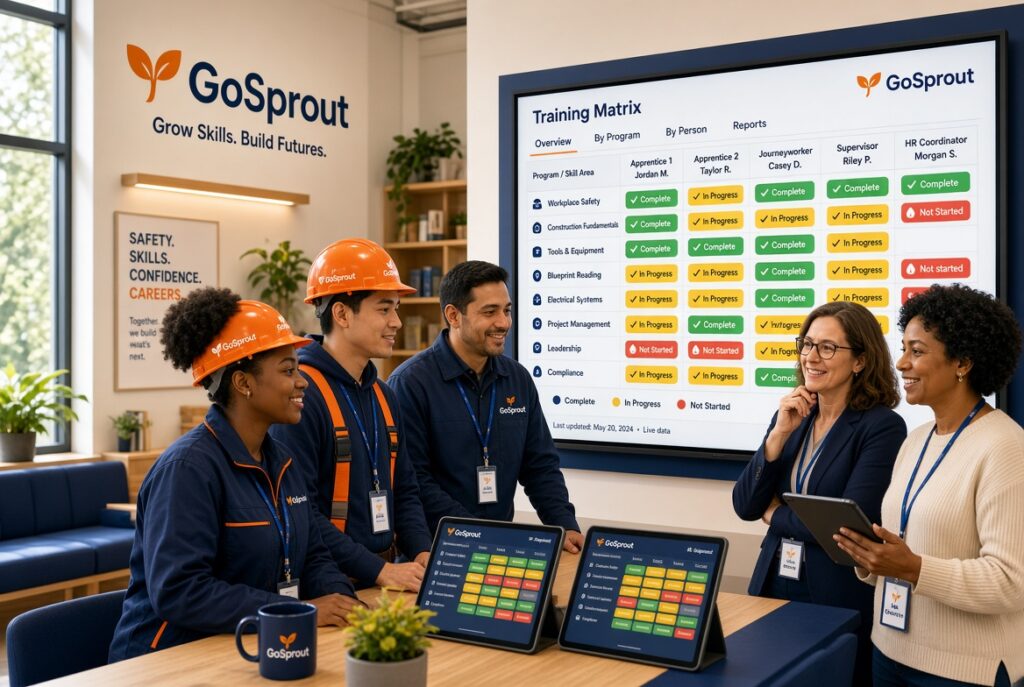
A train the trainer program is a structured process to prepare internal trainers to design, deliver, and improve training content. It goes well beyond a single workshop event. The program empowers employees to develop their training skills so they can teach others with confidence and credibility.
There is an important distinction between a one-off train the trainer workshop, which is event-focused, and an ongoing train the trainer model, which is a system of selection, coaching, and evaluation. An effective program in 2027 produces:
- Facilitator-ready lesson plans with standardized slides and guides
- Clear assessment tools (pre-/post-tests, observation rubrics)
- A documented feedback loop for continuous improvement
- Version control systems to keep training content current
Organizations save costs by using internal trainers instead of consultants. While initial training costs may be high, they reduce long-term expenses per participant dramatically. Trainer programs are especially valuable for organizations running Registered Apprenticeship Programs, pre-apprenticeships, and internships because they build an internal bench of capable instructors.
Core Components of Effective Train the Trainer Programs
Strong train the trainer programs rest on four building blocks that operate as a cycle, not a checklist. You should utilize structured training cycles for comprehensive development rather than treating training as a single event.
- Identifying training needs: Performance data, audit findings, and stakeholder input reveal where skill gaps exist. This step directly informs what trainers need to teach and what trainers themselves need to learn.
- Designing training content: Measurable objectives, modular structure, and blended activities translate needs into actionable session plans.
- Delivering training: Facilitation skills, coaching techniques, and group management turn good content into effective learning experiences.
- Evaluating training effectiveness: Pre/post assessments, behavioral observations, and business metrics close the loop. Evaluate training effectiveness with a robust assessment process, and use ongoing evaluation to assess the effectiveness of training initiatives over time.
Mature programs treat this as a recurring cycle. Each round of evaluation sends data back into needs analysis, keeping the program responsive to changing industries and technical requirements.
How to Identify Training Needs for Your Trainer Program
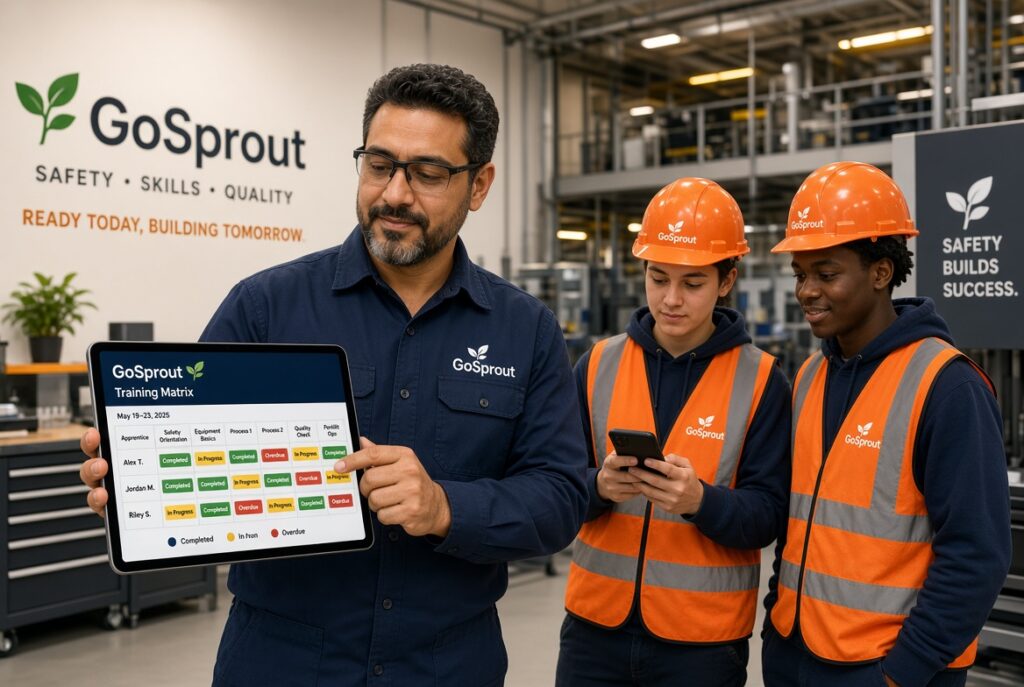
Before you select trainers or schedule a train the trainer workshop, you need to identify training needs. A needs assessment is essential before developing training modules, and it should be thorough enough to distinguish between what learners need and what trainers themselves need.
Practical methods to identify training needs include:
- Analyzing performance data and skill gaps: Review error rates, OJT hour tracking, and competency assessments across apprentices and employees to spot patterns.
- Reviewing compliance or audit findings: Inspection results and regulatory feedback often pinpoint missing skills or inconsistent practices.
- Interviewing supervisors and experienced trainers: They see recurring problems firsthand and can explain where current instruction falls short.
Training modules should be tailored to specific training needs, not built from generic templates. For example, a manufacturing employer that discovers frequent lockout-tagout errors on a new production line can map out a focused train the trainer program that addresses that single issue, complete with task-specific lesson plans and observation rubrics. The needs analysis for trainers is different from that for learners: trainers may need help with adult learning principles, facilitation confidence, and using digital tools, even when they already know the technical content cold.
Adult Learning Principles Every Internal Trainer Should Use
Train the trainer programs in 2027 must be grounded in adult learning principles. Adult learners are not blank slates. They bring years of experience, have immediate job pressures, and lose interest fast when training feels disconnected from their real tasks. Adult learning principles should inform training programs to make learning relevant and sticky.
Key principles every internal trainer should apply:
- Immediate relevance: Adults engage when they can see how the session connects to a task they will do tomorrow. Use a maintenance work order as a practice exercise instead of a generic worksheet.
- Prior experience: Adults bring existing knowledge. Effective training builds on what participants already know through group discussions and shared problem-solving.
- Self-direction: Adults prefer choice in how they learn. Offer options for practice activities or allow learners to select focus areas.
- Practice, feedback, and reflection: Adults retain more through active learning than through lectures. Training modules should include opportunities for practice and feedback at every stage.
Peer-led training fosters a collaborative and trusting culture, and creating a strong community of practice can enhance learning and application well beyond the session itself. When designing train the trainer workshops, make sure new trainers experience these principles firsthand so they learn to apply them in their own sessions.
Designing Training Content for New and Experienced Trainers
Strong training content is what allows different internal trainers to deliver consistent, effective training across locations and cohorts. Customized training addresses specific organizational challenges effectively, and standardized materials can help mitigate loss of information during training as it passes through multiple instructors.
Key design elements include:
- Translating needs into objectives: Each objective should be measurable (e.g., “Apprentices will demonstrate proper sensor calibration to within ±5% accuracy”).
- Modular structure: Build sessions in 60–90 minute blocks that fit into real schedules for busy supervisors. Training modules can be developed as SCORM files for LMS integration, making it easier to distribute, track, and update course content across your organization. Design training modules as SCORM files when your team uses a learning management system.
- Blending demonstrations, practice, and assessment: Avoid heavy lecture. Every module should move from explanation to hands-on application to evaluation.
New trainers need ready-to-use facilitator guides with detailed scripts and step-by-step instructions. Experienced trainers appreciate flexible frameworks, optional advanced activities, and room to adapt. A simple session outline might look like this: state the objective, deliver focused content, run a hands-on activity, then close with assessment and debrief. That structure keeps any trainer, regardless of experience level, anchored to clear learning objectives.
Building Trainer Skills: Facilitation, Coaching, and Feedback
Knowing your subject is not enough. Effective training delivery requires strong communication skills and the ability to manage group dynamics, coach individual learners, and create a psychologically safe environment. Training should build communication, mentoring, and leadership skills alongside technical expertise. Trainer selection should prioritize communication skills and peer credibility, because participants trust instructors who are both knowledgeable and approachable.
Skills train the trainer programs should develop:
- Facilitation basics: Opening a session, setting expectations, and making participants feel safe enough to ask questions and make mistakes. Interactive facilitation skills engage participants effectively and are the foundation of effective training delivery.
- Questioning techniques: Draw out quieter participants with open-ended questions, pair work, and think-alouds rather than cold-calling.
- Handling resistance: Address disengagement privately and respectfully. Microteaching sessions provide practical application of training skills and give trainers low-stakes opportunities to rehearse tough scenarios.
- Giving feedback: Effective feedback is key in developing trainer competencies. Feedback should be specific, timely, and actionable, not vague praise or delayed criticism.
Consider this scenario: a trainer notices an apprentice making the same wiring error over and over again. Rather than calling it out in front of the group, the trainer asks the apprentice to walk through their process step by step, identifies the point of confusion, and coaches them through a correction. That is coaching and emotional intelligence in action, skills that come from practice. Trainers themselves need ongoing practice and receiving feedback regularly.
Delivery Formats: In-Person, Virtual, and Hybrid Train the Trainer Workshops
Organizations in 2027 routinely mix delivery methods to fit the realities of distributed teams and busy schedules. The same core train the trainer model should apply regardless of format: practice, feedback, and a clear standard for effective training.
- In-person train the trainer workshop: Best for intensive, hands-on practice and peer feedback. Small class sizes enhance participation and feedback opportunities. Three-day programs often include practice and feedback sessions that let trainers rehearse real delivery scenarios.
- Live virtual trainer program: Ideal for distributed teams. Must remain highly interactive with breakout rooms, real-time coaching, and virtual observation. Training delivery should include real-life case studies and role-playing, even in a virtual session.
- Hybrid model: Combines asynchronous pre-work (e.g., recorded theory on adult learning principles) with live sessions focused on practice. Digital facilitator guides and recorded sessions support trainers for later review.
Internal trainers can be supported in each format through tools like digital facilitator guides, virtual observation schedules, and structured debrief templates that reinforce consistent delivery regardless of channel.
Common Challenges in Train the Trainer Programs (and How to Solve Them)
Even well-designed train the trainer programs face predictable obstacles that can be planned for. Here are the most common and what to do about them:
- Skill variability among trainers: Skill variability among trainers leads to inconsistent training quality. Solution: establish clear selection criteria, pair less confident trainers with master trainers for co-facilitation, and use observation rubrics to provide structured coaching.
- Maintaining engagement: Keeping adult learners engaged over long apprenticeship periods or multi-session programs is harder than a single workshop. Solution: rotate activities, use active learning strategies, and build in group discussions that connect content to real work.
- Keeping content current: Updating training materials requires constant vigilance and effort, especially with evolving regulations and technology. Solution: schedule quarterly content reviews and assign content ownership to specific instructors.
- Trainer burnout: Trainer burnout can lead to high turnover in training programs. Continuous support is essential to prevent facilitator burnout post-training. Solution: build a wider internal trainer pool, rotate training duties, and recognize trainer contributions.
- Resource constraints: Resource constraints can limit the scope of training programs. Solution: start with a focused pilot, then expand as you prove value.
- Cultural differences: Cultural differences affect how training is perceived in multinational organizations. Solution: involve local trainers in content adaptation and encourage feedback across sites.
A company with only two certified trainers covering four shifts can reduce burnout by identifying potential trainers on each shift, running a targeted train the trainer workshop, and distributing the load. That single step can transform training health across the operation.
Measuring the Impact of Your Train the Trainer Model
Organizations should evaluate not just learner outcomes but also trainer performance and overall program impact. Without measurement, you cannot justify investment or pinpoint where additional support is needed. Train the trainer programs support continuous learning and skill development, but only if you track whether that development is actually happening.
Practical metrics to track:
- Learner reactions: Post-session surveys provide immediate feedback but are limited predictors of long-term behavior change.
- Knowledge and skill assessments: Pre- and post-tests are powerful. In one documented program, 96.7% of learners reported improved knowledge in pediatric palliative care after training. In another, 3,489 providers were trained in clinical skills through a TOT model, and 167 individuals were trained in training techniques in the same program.
- On-the-job performance: Track error rates, productivity, and safety incidents over time. One industrial facility reduced rail incidents by 25% within six months and 60% over four years after implementing a structured training program.
- Trainer activation: Does your program produce active trainers? Data from documented programs shows 80% of trainers conducted at least one course after training, and 65% of trained providers offered VCT services post-training.
- Trainer-specific feedback: Gather input on clarity, engagement, and supportiveness from learners and supervisors alike.
Programs like NCCER’s Instructor Certification Training Program ensure consistent training delivery standards and provide a useful benchmark. NCCER’s program ensures consistent training delivery by setting clear instructor qualifications and recertification cycles. A simple quarterly review of trainer effectiveness data and learner outcomes helps you refine both training content and coaching plans over time.
What to Look for Before Choosing or Designing a Train the Trainer Program
Whether you are comparing external train the trainer workshops or building your own internal training program, the criteria below will help you make a confident decision.
Evaluation checklist for decision-makers:
- Does the curriculum reflect modern adult learning principles and the realities of your specific work environment?
- Does the program support both new trainers and experienced trainers with differentiated practice and feedback?
- How adaptable is the training content to your internal processes, technology, compliance requirements, and unique needs?
- What post-workshop support is available (coaching, observation, refresher modules, community of practice)?
- Can the program integrate with your existing tools, such as LMS platforms or OJT tracking systems?
- Does the program include a clear assessment framework for evaluating trainer and learner outcomes?
Prioritize programs that help you standardize training while still allowing customization to local sites, departments, or target audience needs. The goal is effective leadership of learning across your organization, not a rigid script that ignores context.
FAQs About Train the Trainer Programs
What is the main goal of a train the trainer program?
The main goal is to equip internal trainers to design and deliver effective training that improves real workplace performance. It is not just about learning to present information effectively. A strong program develops instructional skills, facilitation ability, and the confidence to adapt sessions to learner needs in real time.
Who should be selected as internal trainers?
Ideal internal trainers combine strong subject-matter expertise, credibility with peers, basic public speaking ability, and a willingness to learn adult learning methods. Prioritize professionals who are respected on the job and who show genuine interest in helping others develop job skills.
How long does a typical train the trainer workshop take?
Common formats include two-day or three-day intensive workshops, blended options spread over several shorter sessions, and ongoing coaching over 60–90 days. The right length depends on your team’s availability and the complexity of the course curriculum.
Do experienced trainers still benefit from a train the trainer program?
Yes. Experienced trainers use these programs to update their training techniques, learn to facilitate in virtual or hybrid environments, and get structured peer feedback they rarely receive day to day. Professional development does not stop at a certain experience level.
Can we use our own training content in a train the trainer model?
The strongest programs encourage organizations to bring their own training content, then help trainers refine it using adult learning principles and consistent structure. This approach ensures educators and instructors teach material that is directly relevant to your operations and objectives.
How soon will we see results from a train the trainer initiative?
Expect early improvements in engagement and clarity after the first workshop. Stronger on-the-job performance and reduced errors typically emerge within one or two complete training cycles. Success compounds as trainers gain practice and the program matures through continuous improvement.
Why Choose Our Team to Support Your Train the Trainer Initiative
GoSprout specializes in work-based learning and apprenticeship management software, giving us deep insight into how trainer programs operate in real workplaces. We work directly with employers, schools, and workforce organizations to coordinate on-the-job training and classroom instruction at scale.
- Tools that help trainers track apprentice progress, document OJT hours, and align training content with competency standards
- Support for both new trainers and experienced trainers through structured templates, progress dashboards, and integrated communication tools
- Automated compliance reporting that reduces administrative work so trainers can focus on facilitation and coaching instead of paperwork
- A platform built to prepare organizations for growth, whether you are managing one cohort or dozens across multiple locations
Next Steps: Launch or Improve Your Train the Trainer Program
Now is the right time to formalize your train the trainer model, especially if you are planning to expand apprenticeships or internship cohorts over the next 12–24 months. A focused, well-supported trainer program can measurably improve training quality and learner outcomes.
- Review your current training approach and identify where internal trainers already exist informally
- Conduct a quick training needs assessment focused on trainer skills and priority topics
- Decide which delivery format (in-person, virtual, or hybrid) best fits your trainers’ schedules and locations
- Explore how software-supported train the trainer programs can help you track outcomes, maintain consistency, and create a foundation for scaling training confidently
Ready to map out your first or next train the trainer program? Reach out to schedule a short consultation or request a demo. Even a simple, tailored program can transform how your organization builds and retains essential skills.