Table of Contents
- Introduction to Part 147 Aviation Maintenance Training
- What Is a Part 147 Aviation Maintenance School?
- Core Functions of an FAA Part 147 AMTS
- How Part 147 Training Leads to an FAA Mechanic Certificate
- Airframe and Powerplant Ratings Explained
- Program Length, Schedule, and Curriculum
- Admission Requirements and Eligibility
- Costs, Funding, and Veterans / International Options
- Career Paths and Salary Outlook for Aviation Mechanics
- Certificate of Completion vs. Mechanic Certificate
- Why Choose Our Part 147 Aviation Maintenance Program
- FAQs About Part 147 Aviation Maintenance Training
- Conclusion & Next Steps
Introduction to Part 147 Aviation Maintenance Training
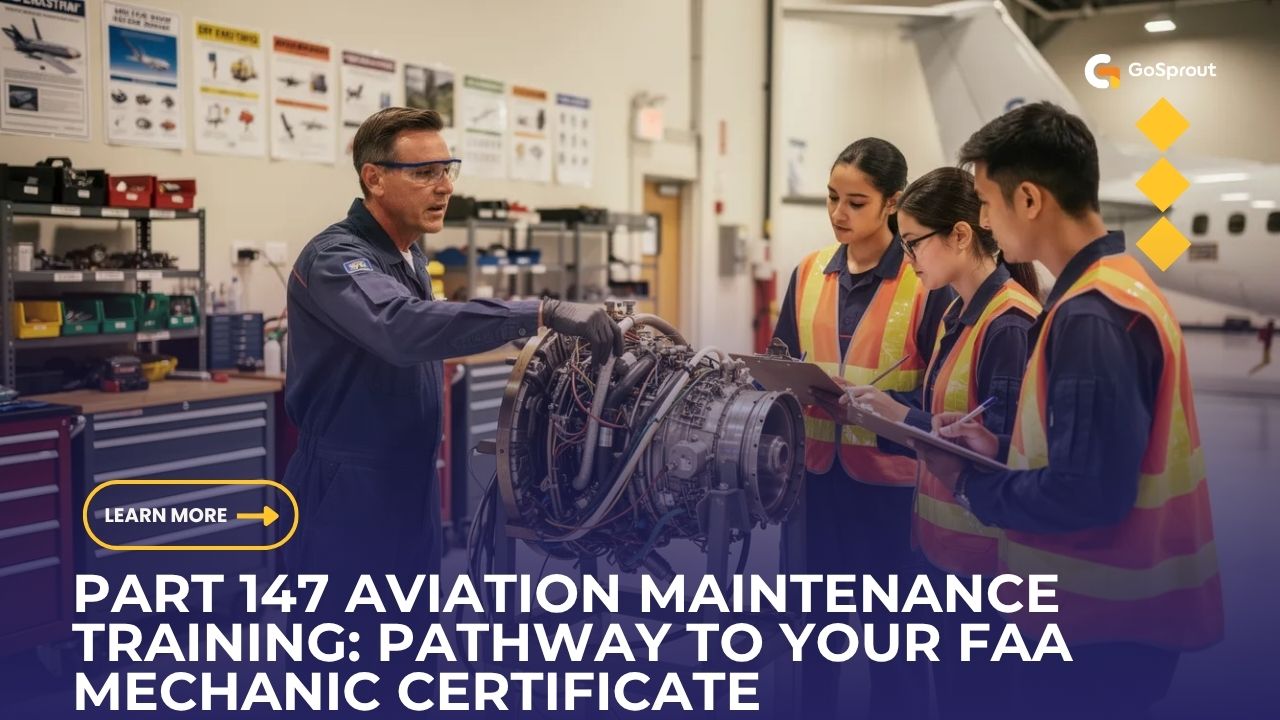
If you want to become an aviation maintenance technician in 2026, Part 147 is one of the most direct routes into the field. In simple terms, part 147 aviation maintenance training is FAA-approved education for students who want the knowledge and skills to maintain, inspect, troubleshoot, and repair aircraft.
FAA-certificated Aviation Maintenance Technician Schools, or AMTS, operate under 14 CFR Part 147 and prepare students for the FAA aviation mechanic certificate with Airframe and/or Powerplant ratings. FAA Part 147 governs the certification, operation, and curriculum of Aviation Maintenance Technician Schools (AMTS), including the facilities, equipment, instructor qualifications, and training standards used by each school.
Graduates receive a certificate of completion, which helps qualify them to take the FAA written, oral, and practical exams. Enrolling in a Part 147 school is a direct pathway to earning the FAA Airframe and Powerplant (A&P) certification without completing the traditional on-the-job apprenticeship first.
Demand is also working in students’ favor. Industry forecasts point to a long-term need for maintenance technicians as air travel grows, fleets expand, and experienced mechanics retire. Some aviation workforce estimates project over 670,000 new jobs expected to open in the next 10 years due to increasing air travel and a shortage of skilled workers, making it easier to find career opportunities after certification.
Key benefits of Part 147 training include:
- A structured path toward the FAA mechanic certificate
- Faster completion than informal apprenticeship routes
- Hands-on aircraft maintenance practice with real tools and systems
- Preparation for General, Airframe, and Powerplant exams
- Career opportunities in airlines, MROs, manufacturers, repair stations, and general aviation
What Is a Part 147 Aviation Maintenance School?

An Aviation Maintenance Technician School is certificated by the faa under 14 CFR part 147 to teach the knowledge and skills required for aircraft maintenance. Unlike informal work experience, Part 147 aviation maintenance training gives students a structured classroom, lab, and hangar environment designed around FAA testing standards.
A school operates under an FAA Air Agency Certificate and Operations Specifications, often called OpSpecs. These define the school’s ratings, location, facilities, equipment, curriculum limits, and whether the program is approved for airframe, powerplant, or both ratings.
The federal aviation administration uses a five-phase AMTS approval process: preapplication, formal application, document compliance, demonstration and inspection, and certification. Programs must maintain at least a 70% student pass rate on FAA exams to preserve certification.
What makes a school faa part 147 approved?
- FAA Air Agency Certificate and OpSpecs
- Approved curriculum aligned with mechanic standards
- Qualified instructors and appropriate aircraft, tools, and labs
- Documented quality control, grading, attendance, and records
- Compliance with federal aviation administration faa oversight
Core Functions of an FAA Part 147 AMTS
Part 147 schools deliver instruction in three main areas: General, Airframe, and Powerplant. These areas cover the fundamentals, aircraft structures and systems, and engine systems that an aviation mechanic must understand.
Students usually learn in classrooms, labs, and hangars with training aircraft, engines, mock-ups, and component benches. Successful completion provides a certificate of completion that allows graduates to take FAA aviation mechanic knowledge tests without the 18–30 months of work experience otherwise required.
AMTS programs prepare students by helping them:
- Read and use approved maintenance data
- Perform inspection, service, and repair tasks
- Understand airworthiness rules and documentation
- Practice troubleshooting in real-world maintenance settings
- Build the habits needed for safe, precise technical work
How Part 147 Training Leads to an FAA Mechanic Certificate
The pathway is straightforward: enroll in an FAA-approved Part 147 program, complete the required hours and competency checks, earn a certificate of completion, then pass FAA written, oral, and practical exams. After that, the FAA may issue a mechanic certificate with Airframe and/or Powerplant ratings.
The terms aviation mechanic, aircraft mechanic, faa mechanic, and aviation maintenance technician are often used interchangeably. Formally, the FAA credential is the Mechanic Certificate, and ratings are added for Airframe, Powerplant, or both.
Aviation maintenance technician schools must provide a curriculum that aligns with the mechanic airman certification standards to ensure students are prepared for the FAA mechanic certificate tests. You can learn more about our part 147 aviation maintenance training and how it supports each step toward certification.
The route looks like this:
- Apply to an FAA-approved school
- Complete General, Airframe, and Powerplant training
- Earn the school’s certificate of completion
- Take and pass the FAA written knowledge exams
- Complete oral and practical exams with a Designated Mechanic Examiner
- Receive the mechanic certificate with the appropriate ratings
The alternative is documented OJT. An applicant for an Aviation Mechanic certificate must have a minimum of 18 months of appropriate experience for each rating, or 30 months of concurrent experience for both ratings, as specified by the FAA. The traditional on-the-job apprenticeship requires a minimum of 30 months of documented experience for A&P certification.
Airframe and Powerplant Ratings Explained
The Airframe rating covers aircraft structures, sheet metal, composites, flight controls, hydraulics, landing gear, cabins, electrical systems, environmental systems, and inspection methods. The Powerplant rating covers piston engines, turbine engines, propellers, fuel systems, ignition, lubrication, exhaust, and engine instruments.
Most students pursue both ratings because airframe and powerplant certification create the widest career flexibility. Employers in airlines, MROs, corporate flight departments, and manufacturing often prefer dual-rated A&P mechanics.
Key responsibilities include:
- Airframe: structures, flight controls, cabins, hydraulics, pneumatics, electrical systems
- Powerplant: reciprocating engines, turbines, propellers, fuel, ignition, exhaust
- Airframe powerplant combined: troubleshooting aircraft systems from nose to tail
- One rating first: some students may add the second rating later
Program Length, Schedule, and Curriculum
Part 147 curriculums are structured to be completed in 12 to 24 months, significantly faster than the traditional apprenticeship pathway. In many cases, Part 147 programs typically span 18 to 24 months and include around 1,900 instructional hours for both ratings.
Some accelerated formats are even more concentrated. The FAA Part 147 program allows students to complete their aviation maintenance training in approximately 15 months, attending classes four days a week for 450 hours of class time per course, depending on the school schedule and course design.
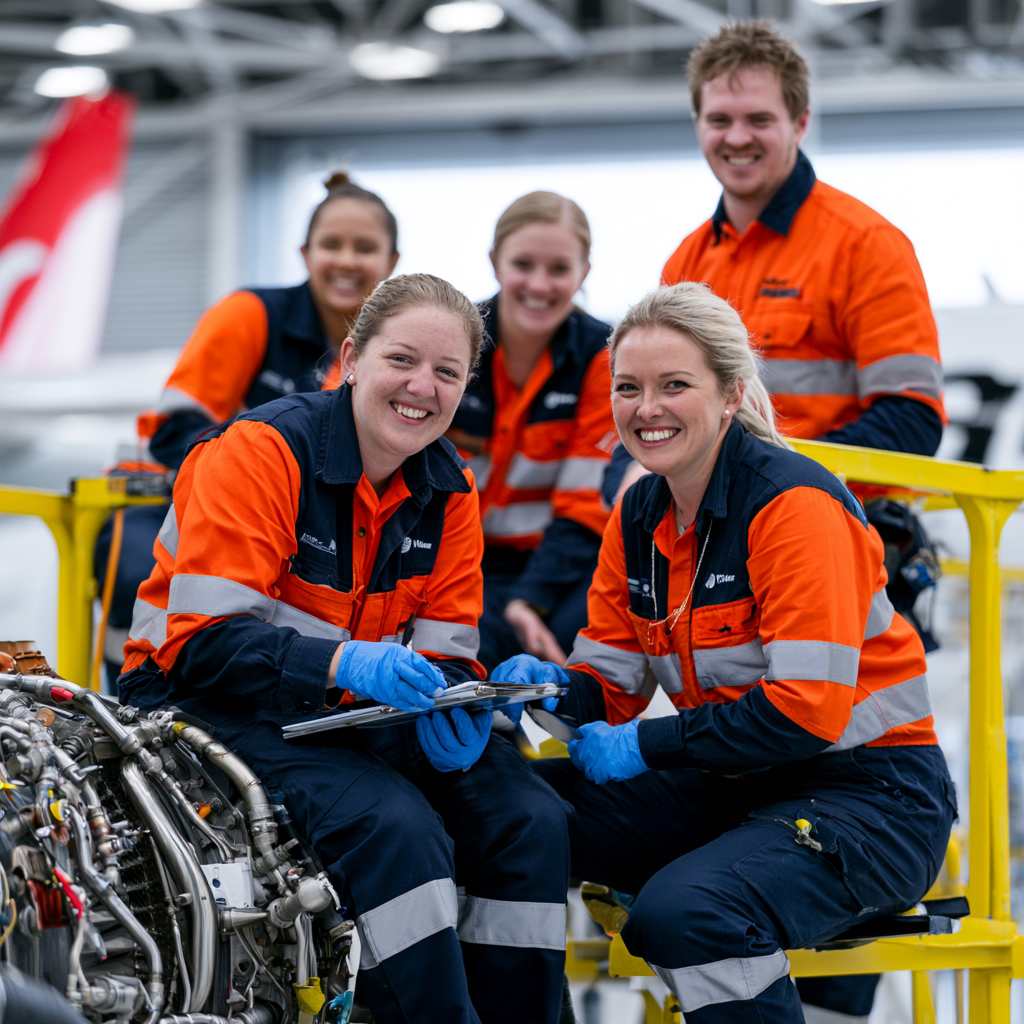
Part 147 training balances textbook study with practical application in real-world settings. Hands-on training includes shop work, wiring electrical systems, and performing engine diagnostic tests.
Major course blocks usually include:
- General: regulations, math, physics, weight and balance, human factors, safety, ground operations
- Airframe: sheet metal, composites, flight controls, landing gear, hydraulics, pneumatics, inspections
- Powerplant: reciprocating engines, turbine engines, propellers, fuel, ignition, lubrication, exhaust
- Systems: avionics basics, electrical circuits, environmental control, digital maintenance documentation
- Career readiness: troubleshooting, maintenance records, approved data, safety management systems
Learning Format: Classroom vs. Lab
Coursework is usually split between lecture and lab. Students in aviation maintenance training programs typically engage in hands-on learning experiences, with a common structure of 60% lab work and 40% lectures to develop practical skills.
A typical day may include:
- Classroom lessons on theory, regulations, and maintenance procedures
- Lab work using hand tools, meters, torque wrenches, and calibrated instruments
- Practice with maintenance manuals, service bulletins, and approved data
- Disassembly, inspection, repair, and reassembly of components
- Instructor feedback in small groups where safety and accuracy matter
Admission Requirements and Eligibility
Most schools expect applicants to be near the age required for certification, able to read, write, speak, and understand English, and ready for technical study. The FAA does not prescribe any general education requirements for obtaining an Aviation Mechanic certificate, although some employers may require a high school diploma or GED.
Schools may also require math and physics readiness, background checks for airport access, drug screening, transcripts, an online application, an information session, and orientation. To enroll in an aviation maintenance technician program, applicants typically need to demonstrate compliance with specific requirements set forth by the FAA, including a description of facilities and curriculum that ensures students acquire necessary knowledge and skills.
Plan early because class sizes may be limited.
Key checkpoints:
- Confirm age and English proficiency
- Submit transcripts or education records
- Complete the application and interview if required
- Review tool, uniform, and safety requirements
- Apply several months before your preferred start date
Veterans, Career-Changers, and Recent Graduates
Part 147 training serves several groups well: high school graduates who want a technical career, veterans with aviation maintenance experience, and adults moving from automotive, industrial, military, or skilled-trade work.
Prior military or civilian aircraft maintenance experience may support credit recognition or advanced placement where permitted by FAA and school policy. Career-changers should treat the program like a demanding technical college course with daily study, shop discipline, and steady attendance.
Preparation tips:
- Recent graduates: strengthen math, reading, and study routines
- Veterans: gather service records and maintenance documentation
- Career-changers: refresh basic mechanics and electrical knowledge
- All students: build time management before classes begin
Costs, Funding, and Support Options
The average cost of tuition for an aviation maintenance technician program can range from $30,000 to $40,000, depending on the institution and program specifics. In addition to tuition, students may incur costs for books and materials, which can average around $1,500.
Students are typically required to pay for FAA written, oral, and practical exams, which can total approximately $1,850 upon completion of the program. Tool sets, uniforms, and supplies may add to the total, depending on what the school includes.
Many Part 147 programs are hosted at accredited community colleges, which can provide access to Federal Student Aid and other financial benefits. Eligible students may also use private education loans, payment plans, scholarships, employer sponsorships, tuition reimbursement, or veterans education benefits such as GI Bill® support.
Financial planning tips:
- Ask for a full cost sheet before enrolling
- Confirm whether tools and test fees are included
- Complete FAFSA early if the school is eligible
- Compare day, evening, and accelerated schedule costs
- Ask about veterans, dependents, and employer funding
International Students and Visa Considerations
Many FAA part schools accept international students, but the school must be approved to issue the proper documentation, such as Form I-20, where applicable. English proficiency and financial documentation are important for both admissions and visa interviews.
International applicants should begin 6–12 months before the intended start date.
Expect to:
- Apply and receive school acceptance
- Prepare financial and identity documents
- Complete SEVIS and embassy steps
- Arrange housing, transportation, and arrival timing
- Attend orientation before beginning hands-on training
Career Paths and Salary Outlook for Aviation Maintenance Technicians
Aviation maintenance technicians can work in various sectors, including airlines, fixed-base operators, manufacturers, repair stations, and general aviation, providing a wide range of career opportunities. Common first jobs include junior A&P mechanic, line maintenance technician, hangar maintenance technician, component overhaul technician, and regional airline maintenance roles.
Starting salaries for aviation maintenance technicians are around $60,000, with potential earnings reaching up to $127,500 for specialized positions, reflecting the lucrative nature of this career path. Pay depends on location, employer, shift differentials, overtime, ratings, and experience.
Career paths may include:
- Airline or regional airline mechanic
- Corporate aviation or business jet technician
- MRO maintenance and repair specialist
- Aircraft manufacturer production or flight-line support
- Helicopter, defense, or government contractor roles
- Lead mechanic, inspector, quality assurance, or maintenance supervisor
- Technical trainer, fleet manager, or engineering support role
- Pilot support and maintenance coordination roles
Industry Demand and Job Security
The need for skilled maintenance technicians is being driven by retirements, fleet growth, advanced avionics, new propulsion systems, and rising passenger demand. Boeing’s long-term outlook also projects hundreds of thousands of new technician openings worldwide through 2044.
That demand gives licensed aviation mechanics geographic mobility and career resilience. A&P skills may also transfer into aerospace manufacturing, drones, advanced manufacturing maintenance, and other high-reliability technical fields.
Strong job factors include:
- Global aircraft fleet growth
- Retirement of experienced mechanics
- High value of FAA certification
- Transferable electrical, mechanical, and inspection skills
- Opportunities near airports, manufacturing hubs, and major MRO locations, including areas such as washington dc
Certificate of Completion vs. FAA Mechanic Certificate
A certificate of completion is issued by the school. It verifies that a student has completed the approved curriculum and is eligible to sit for FAA tests, but it does not authorize maintenance sign-offs by itself.
The FAA mechanic certificate is issued by the Federal Aviation Administration after the applicant meets eligibility requirements and must pass the required written, oral, and practical exams. The written sequence typically includes General first, then Airframe and/or Powerplant.
Here is the difference:
- Certificate of completion: proves school completion under part 147
- FAA mechanic certificate: authorizes privileges under the rating earned
- Written exams: test knowledge in General, Airframe, and Powerplant areas
- Oral and practical exams: test applied knowledge and hands-on skill with a DME
- Ratings: determine what maintenance and inspections the mechanic may approve
Timeline: From Graduation to Licensed Aviation Mechanic
Graduates should test quickly while the material is fresh. Many students aim to complete written exams and schedule oral/practical testing within 3–6 months after graduation.
Action steps:
- Schedule FAA written exams soon after course completion
- Keep studying General, Airframe, and Powerplant subjects
- Practice oral explanations and practical procedures
- Apply for entry-level work where allowed
- Finish certification before momentum fades
Why Choose Our Part 147 Aviation Maintenance Program
Our program is built for students who want more than classroom theory. Training is designed around active aircraft, practical systems, shop discipline, and the expectations of employers who need dependable A&P talent.
Students benefit from experienced instructors with airline, MRO, manufacturing, and general aviation backgrounds. Modern labs, current-generation engines, avionics exposure, and a strong safety culture help connect textbook concepts to the maintenance floor.
We also support students beyond the course itself with advising, tutoring for FAA knowledge tests, resume help, interview preparation, and employer networking.
What sets our school apart:
- Airport-based learning environment when available
- Hands-on aircraft, engine, and component training
- Instructor feedback focused on real maintenance standards
- FAA test preparation and academic support
- Career services for jobs after completion
- Clear information on costs, schedule, requirements, and next steps
FAQs About Part 147 Aviation Maintenance Training
How long does it take to complete a Part 147 aviation maintenance program?
Most full A&P programs take 18–24 months and include around 1,900 instructional hours. Some accelerated formats may be completed faster, including approximately 15-month schedules.
Do I need prior mechanical experience to enroll?
No. Prior experience helps, but students can begin with basic mechanical aptitude, good study habits, and a willingness to learn aviation maintenance procedures.
Can I work while attending classes?
Some students work part-time, especially in evening programs. Full-time day schedules can be demanding, so plan carefully around study time, lab attendance, and family commitments.
Is an associate degree required to become an aviation mechanic?
No degree is required by the FAA to earn the mechanic certificate. However, some college-based programs may offer a degree option, and some employers may value additional education.
Can my Part 147 training count toward college credit later?
It may. Many accredited college programs award academic credit for AMT coursework, but transfer rules depend on the receiving college.
Are evening or weekend aviation maintenance classes available?
Some schools offer evening tracks, weekend labs, or hybrid academic sections. Hands-on lab work cannot be fully replaced online because FAA training requires practical skill development.
Will I need my own tools and safety gear?
Usually, yes. Requirements vary, but students may need a basic tool set, safety glasses, work shoes, and approved shop clothing.
How often do new classes start each year?
Start dates vary by school and location. Because seats can fill quickly, request information early and ask about the next available cohort.
Want to Learn More About Your Registered Apprenticeship Opportunities?
BOOK A FREE CONSULTATION
Conclusion & Next Steps
Part 147 aviation maintenance training provides a structured, efficient path into aircraft maintenance. It combines classroom learning, practical lab work, FAA-aligned curriculum, and eligibility for the mechanic certificate exams.
If your goal is to become a licensed aviation maintenance technician without spending years in an informal apprenticeship, an FAA Part 147 aviation maintenance program is one of the best routes to get there.
Next steps:
- Request information about upcoming class dates
- Review admission requirements and financial aid options
- Schedule a campus tour or speak with an admissions advisor
- Gather transcripts and required documents
- Apply for your preferred start term
Choosing the right Part 147 Aviation Maintenance Training program can make a significant difference in your path toward FAA certification and a successful aviation maintenance career. Whether you are a recent graduate, military veteran, career-changer, or aspiring A&P mechanic, our team is here to help you understand your options and take the next step with confidence. Visit our website to learn more about upcoming program start dates, admissions requirements, financial aid opportunities, and the hands-on training experience designed to prepare students for long-term success in the aviation industry.