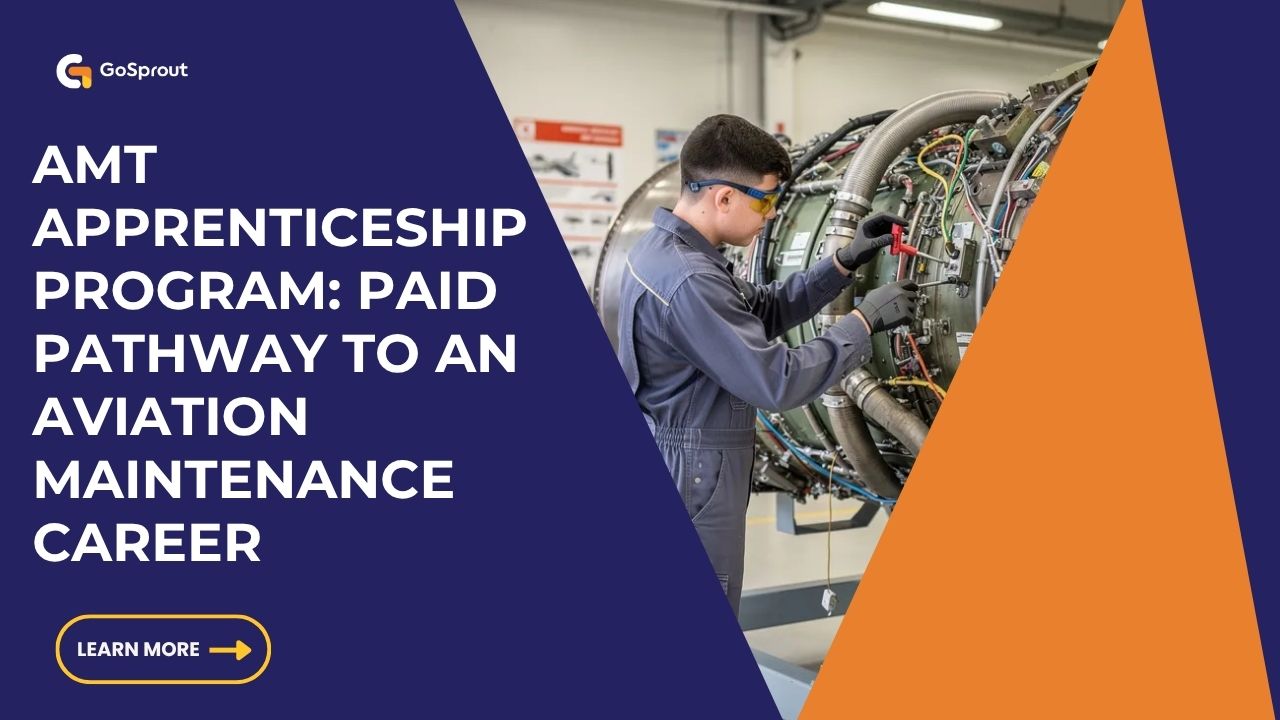
If you want to become an aircraft mechanic without pausing your income for school, an AMT apprenticeship program can be a practical way to start. It combines paid work, structured training, mentorship, and FAA-focused experience so you can build a real aviation maintenance career from day one.
Table of Contents
What Is an AMT Apprenticeship Program?
An Aviation Maintenance Technician, or amt, apprenticeship is a paid, full-time job training path in aircraft maintenance. In our amt apprenticeship program, an apprentice works under FAA-certificated Airframe and Powerplant mechanics while learning how to inspect, troubleshoot, repair, and maintain aircraft. Employers who run AMT programs can use apprenticeship software for employers to manage hours, mentors, and progress in one place.
This apprenticeship program is built for recent graduates, career changers, military veterans, and mechanically minded applicants who want aviation work without a large tuition bill. Aviation maintenance covers the full aircraft; airframe means structures, flight controls, and landing gear, while powerplant means engine systems, fuel, ignition, and propulsion through the air.
The duration of aviation maintenance apprenticeship programs typically ranges from 18 to 36 months, depending on the specific program structure. Completing an apprenticeship program in aviation maintenance typically leads to eligibility for the FAA A&P certification, which is essential for a career as an aircraft mechanic.
How the AMT Apprenticeship Program Works Day to Day
A typical week blends shop floor work with classroom or computer-based training. Apprentices may help with inspections, component changes, troubleshooting, logbook entries, and maintenance documentation while senior technicians coach each step.
Participants in aviation maintenance apprenticeship programs are typically assigned to work under the mentorship of FAA-certificated Airframe and Powerplant (A&P) mechanics, gaining hands-on experience in troubleshooting and maintenance. Apprentices rotate through:
- airframe structures, sheet metal, corrosion control, and composite repair
- powerplant and engine inspection, removal, installation, and service
- electrical, avionics support, hydraulics, pneumatics, and fuel systems
- line maintenance, heavy checks, and return-to-service procedures
Schedules may be five 8-hour shifts or four 10-hour shifts. Some positions include nights, weekends, or close coordination with flight operations. Safety is the main habit: apprentices learn FAA rules such as 14 CFR Part 43, Part 65, manuals, task cards, tools control, and quality signoffs.

Program Structure, Timeline, and Requirements
Most AMT apprenticeships are structured over 30–36 months, although prior experience may shorten the time. Aviation maintenance apprenticeship programs generally require a minimum of 5,360 hours of training, which includes both on-the-job and classroom instruction.
A common structure looks like this:
- Level 1 Fundamentals, 6–12 months: shop safety, tools, general aviation theory, documentation, basic inspection, and approved maintenance practices. This is often the first stage of hands-on development.
- Level 2 Intermediate Systems, 6–12 months: airframe, powerplant, electrical, hydraulic, and technical troubleshooting.
- Level 3 Advanced Work, 6–12 months: heavy checks, complex repairs, inspection readiness, and A&P test preparation.
Applicants for the AMT apprenticeship must have a high school diploma or GED and demonstrate solid mechanical aptitude. Candidates must usually be at least 18, read technical English, pass a skills assessment, and meet physical demands such as standing, lifting, and working at heights. Military aviation maintenance, automotive, industrial mechanic, or school experience may help you get advanced placement.
Note: Some employers use AMT to mean Advanced Manufacturing Technician. The AMT program is a two-year dual-track program that blends academic study with real-world work experience. Participants in manufacturing track apprenticeships receive training in electricity, fluid power, mechanics, fabrication, robotics, and PLC automation, culminating in an Associate Degree in Applied Science and AMT certification. The Advanced Manufacturing Technician apprenticeship program is designed to build a pipeline of highly skilled multi-craft industrial maintenance workers.
What You Learn: Aviation Maintenance Skills & Classroom Training
Training is aligned with FAA A&P subject areas and modern airline or MRO needs. You learn practical aircraft maintenance skills, not just theory.
Key topics include:
- Airframe: aircraft structures, doors, windows, landing gear, brakes, flight controls, corrosion control, sheet metal repair, and composite repairs.
- Powerplant: turbine fundamentals, piston engines where applicable, fuel and ignition systems, borescope inspections, engine changes, and powerplant a p test prep.
- Supporting systems: electrical generation, wiring, bonding, hydraulics, pneumatics, pressurization, lighting, instrumentation, and avionics interfaces.
- General knowledge: physics, math, metallurgy, human factors, digital maintenance tracking, FAA compliance, and manual research.
Search terms like airframe powerplant, p certification, and powerplant A&P usually point to the same broader airframe and powerplant license pathway. The goal is to help you learn how real aircraft systems fail, how technicians find the cause, and how to make a safe repair.
Pay While You Learn: Wages, Raises, and Benefits
Many apprenticeship programs in aviation maintenance offer full-time paid positions, allowing apprentices to earn while they learn. Apprentices in aviation maintenance can expect to earn starting wages around $17 per hour, with potential increases based on training milestones.
Raises often occur every 6–12 months as you complete levels, receive signoffs, and show reliable performance. Over 30–36 months, paid training can offset the cost of traditional aviation maintenance school, where tuition and fees may run into many thousands of dollars.
Benefits for apprentices often include health insurance, 401(k) plans with employer matching, and paid time off, contributing to overall financial security during training. Some aviation companies may offer travel benefits after probation. Many major sponsors of AMT apprenticeships offer seamless transitions into full-time employment with immediate company seniority upon graduation.
From Apprentice to Certified AMT: Career Path & A&P Certification
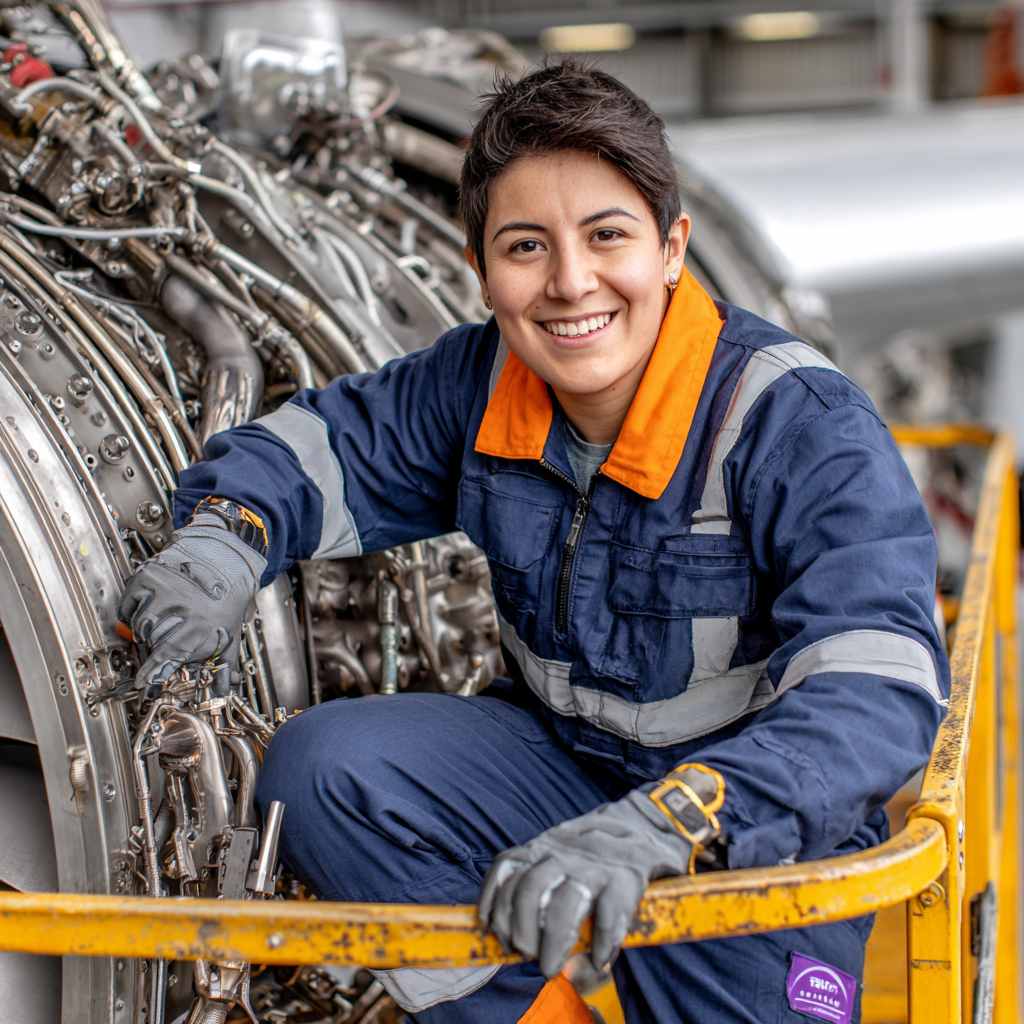
The long-term goal is to become a certificated Airframe & Powerplant mechanic. The Airframe & Powerplant (A&P) certification is a key credential for aviation maintenance technicians, allowing them to perform maintenance, preventive maintenance, and alterations on aircraft.
The program tracks your experience so you can meet FAA Part 65 requirements and apply for written, oral, and practical exams under 14 CFR §65.77. Airframe privileges focus on structures and systems; powerplant privileges focus on engines and propulsion. Full A&P certification gives you the strongest job flexibility.
After obtaining A&P certification, aviation maintenance technicians can pursue various career pathways, including roles in aircraft maintenance, repair, and inspection, often with opportunities for advancement. Graduates may become line maintenance technicians, heavy check mechanics, engine shop technicians, inspectors, planners, or trainers. Graduates of the AMT program often transition directly into high-paying, full-time roles in automation, electromechanical, or industrial maintenance sectors as well, especially when the program includes manufacturing-focused skills and exposure to new technologies.
Why Choose Our AMT Apprenticeship Program
Our program is designed around mentorship, clear progression, and real work in modern maintenance environments. Apprentices are not left guessing what comes next; they follow a structured ladder, receive coaching, and build documented experience.
We emphasize safety, regulatory compliance, and continuous learning. Veterans and career changers receive help translating prior experience into aviation skills, and our local aviation ecosystem offers access to strong regional opportunity across the U.S. and the United States industry. To start, review current positions and apply for the next cohort when openings are available.
AMT Apprenticeship Program FAQs
Questions often asked by applicants include:
- Do I need prior aviation experience? No. Prior aviation experience helps, but strong mechanical aptitude, reliability, and willingness to learn are often enough to apply.
- Can I work while going through the apprenticeship? Yes. Apprentices are typically full-time employees, so the apprenticeship is your job, not a side class.
- How long does it take to get my A&P certification? Many apprentices take 24–36 months, depending on the program, performance, and FAA eligibility documentation.
- Do I need to buy my own tools? You may need a basic tool set. Larger specialty tools are often supplied by the company or shop.
- Is relocation required? It depends on the location of the maintenance base. Some applicants may need to relocate or commute to be close to the facility.
- How is performance evaluated? Supervisors review attendance, safety, task sign-offs, classroom progress, and hands-on skill. Faster learners may advance sooner; others may receive extra coaching.
How to Apply and Next Steps
Application windows may open several times per year. To prepare, gather your resume, work history, education details, references, and evidence of mechanical or technical experience, including military records if available.
The process usually includes an online form, mechanical aptitude review, interview with maintenance leadership or HR, and standard pre-employment screening.
An AMT Apprenticeship Program can provide a direct path into aviation maintenance by combining paid employment, structured learning, and real-world experience. Whether you are a recent graduate, military veteran, or career changer, our team can help you explore available apprenticeship opportunities and understand the steps toward FAA certification. Visit our website for more information about program requirements, upcoming openings, career pathways, and how our apprenticeship model helps build the skills needed for long-term success in the aviation industry.

Want to Learn More About Your Registered Apprenticeship Opportunities?
BOOK A FREE CONSULTATION