

If you look up “journeyman” in a dictionary, you will find a definition rooted in centuries of skilled labor. But the term carries far more weight than a one-line entry can capture. For employers designing apprenticeship programs, sponsors tracking compliance, educators building curriculum, and young workers mapping out a career path, understanding what a journeyman truly is—and what it takes to become one—has real, practical consequences.
This article breaks down the journeyman definition in full detail: where the term comes from, how it fits into modern trades and work-based learning, what it means for specific roles like a journeyman electrician or journeyman baker, and why organizations running apprenticeship programs need to get this right.
Table of Contents
- What Is a Journeyman? (Core Definition)
- Origins and Evolution of the Term “Journeyman”
- Journeyman vs. Apprentice vs. Master: Career Stages in the Skilled Trades
- Examples of Journeyman Roles and What Employers & Program Sponsors Should Know
- Why Choose a Journeyman-Structured Path for Training and Workforce Development
- Taking the Next Step: From Understanding “Journeyman” to Building Better Programs
- Frequently Asked Questions About the Term “Journeyman”
What Is a Journeyman? (Core Definition)
A journeyman is a skilled worker in a trade who has completed a formal apprenticeship and met the licensing or certification requirements of their specific profession. In the simplest sense, it refers to a person who has finished structured training—combining thousands of hours of on-the-job experience with classroom instruction—and has demonstrated enough competence to work independently. Whether the trade is electrical, plumbing, carpentry, HVAC, or even baking, the journeyman definition points to one core idea: this person is trained, tested, and trusted.
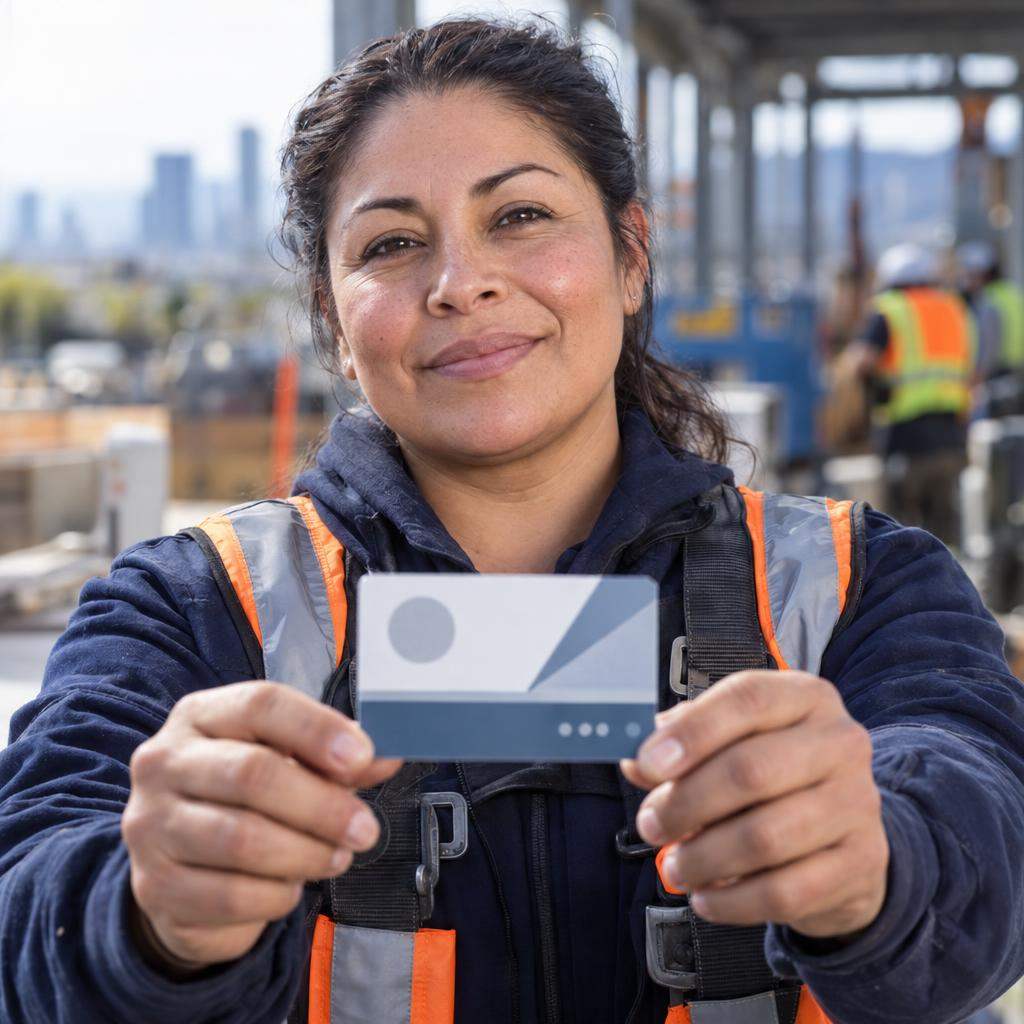
In the traditional trade hierarchy, a journeyman sits between an apprentice and a master. An apprentice learns a trade under a mentor, typically earning lower wages and working with limited autonomy. A journeyman has completed an apprenticeship and is licensed, meaning they can handle complex tasks, interpret blueprints, ensure code compliance, and mentor newer workers. A master, meanwhile, holds the highest tier of authority—often with the credentials to pull permits, own a contracting business, and formally register new apprentices.
A few quick notes on grammar and spelling: the singular is “journeyman,” the plural is “journeymen,” and the word functions as both a noun and an adjective. In a sentence, you might say:
- “The journeyman carpenter framed the entire second floor without supervision.”
- “After four years of apprenticeship, she earned her journeyman baker credential and began running the overnight production shift.”
- “He’s a journeyman quarterback—reliable, experienced, and someone the team counts on every week.”
That last example highlights a secondary, more modern usage. The term journeyman is used to describe a reliable but not necessarily outstanding professional in various fields, from sports to journalism. In this context, it implies steady, competent work rather than superstar talent. Whether it carries a positive or neutral connotation depends entirely on the situation.
The sections that follow trace the history of the term, walk through the career stages from apprentice to journeyman to master, and cover what organizations running apprenticeship and work-based learning programs should know to use the journeyman milestone effectively.
Origins and Evolution of the Term “Journeyman”
The term dates back to medieval times, specifically the guild systems that governed skilled trades across Europe from roughly the 13th through 15th centuries. These guilds organized craftspeople into a structured hierarchy—apprentice, journeyman, master—that dictated who could work, how much they could charge, and what responsibilities they carried. The journeyman concept played a central role in regulating quality, protecting trade knowledge, and ensuring that only trained individuals could practice a craft independently.
The word “journeyman” originates from the Old French word “journée,” meaning a day’s work. The term literally referred to a day-paid worker: someone who had finished an apprenticeship and could now earn wages by the day, moving from shop to shop. This journey between workshops was not just economic—it was educational. In German-speaking regions, the practice of Wanderschaft (journeyman’s wanderings) required newly qualified tradespeople to travel for years, working under different masters to broaden their skills before they could apply for master status. The German equivalent, Geselle, carries the same meaning. While formal Wanderschaft has become rare, pockets of the tradition still survive in parts of Central Europe today.
Over time, the guild system faded under the pressures of industrialization, but the apprentice-to-journeyman-to-master progression survived in licensed and regulated trades. By the 20th century, governments in the United States, Canada, the United Kingdom, and elsewhere had codified journeyman status through licensing boards, union agreements, and apprenticeship standards. The hierarchy endures in construction trades like electrical, plumbing, and sheet metal work, and in specialized roles such as journeyman baker positions within unionized bakeries.
Modern usage of journeyman varies by country and trade. In American English, the term extends well beyond the workshop—you will hear “journeyman journalist,” “journeyman pitcher,” or “journeyman actor” to describe someone with long experience and solid competence. British English uses the word similarly in trade contexts but less commonly in metaphorical settings. Regardless of geography, the core definition has remained remarkably stable for over 700 years: a trained, experienced person qualified to do good work on their own.
Journeyman vs. Apprentice vs. Master: Career Stages in the Skilled Trades
Understanding the journeyman definition requires seeing where it falls on the career ladder. In modern Registered Apprenticeship Programs across the United States and equivalent frameworks elsewhere, the path from apprentice to journeyman to master or supervisor is formalized with measurable requirements-hours logged, classes completed, exams passed. Each stage carries distinct responsibilities, pay expectations, and levels of autonomy.
The Apprentice Stage
An apprentice is a person actively learning a trade under the guidance of experienced workers. Most apprenticeships last two years at minimum and require a high school diploma or GED for entry, though many skilled trades demand four to five years of combined training before an apprentice can advance. During this time, apprentices split their effort between on-the-job training (OJT), where they work alongside journeymen and masters on real projects, and Related Technical Instruction (RTI), which covers theory, codes, safety standards, and trade-specific knowledge in a classroom or lab setting. Apprentices typically earn lower wages than journeymen, reflecting their developing skill level and the supervision they require. Journeymen must complete an apprenticeship program before they can advance—there are no shortcuts around this foundational stage.
The Journeyman Stage
Once apprentices have fulfilled their OJT and RTI requirements, they typically sit for a journeyman exam administered by a state licensing board, union, or industry body. Passing that exam is a sign of verified competence. A journeyman has completed an apprenticeship and certification program, and can now work independently—planning jobs, troubleshooting problems, ensuring compliance with safety and building codes, and mentoring newer apprentices on the job. Journeyman status allows for independent work, though in many cases journeymen still operate under the broader authority of a master tradesperson or licensed contractor.
Journeymen can work under a master tradesperson, and in many jurisdictions, they are licensed specifically to do so. They can also train apprentices in their trade, serving as the day-to-day mentors and supervisors who shape the next generation of skilled workers. In construction trades, a journeyman performs tasks safely without direct supervision, taking ownership of quality and compliance on the job site.
Concrete requirements vary by trade and state. For example, journeyman electricians in California need 4,800 hours of supervised work experience to qualify for licensure. Across 23 out of 24 U.S. states that publish specific hour requirements, the standard for journeyman electricians is approximately 8,000 OJT hours. In Utah, a journeyman plumber must log 8,000 hours of on-the-job training plus 576 hours of classroom instruction over a minimum of four years.
The Master or Equivalent Stage
The master stage represents the highest level of trade authority. After reaching journeyman status, workers typically need an additional four to eight years of documented experience—and journeymen typically require 8,000 hours or more of additional practice—before they can sit for a master exam. A master craftsman can pull permits, sign off on inspections, start a contracting business, and carry full legal responsibility for work performed. Only a master craftsman is fully authorized to formally register and train new apprentices in many regulatory frameworks, and journeymen cannot own businesses until they reach master status in most jurisdictions.
This hierarchy maps across occupations in different ways. A journeyman baker, for instance, is competent to run an overnight production shift, manage fermentation schedules, and ensure food safety compliance, but they may still work under a head or master baker who holds ultimate responsibility for the operation. The same principle applies whether you are talking about electricians, plumbers, HVAC technicians, or sheet metal workers: the journeyman is capable and independent, but the master holds the final authority.

Examples of Journeyman Roles and What Employers & Program Sponsors Should Know
The term journeyman is most commonly encountered in licensed or unionized trades and regulated occupations. For employers, schools, workforce development teams, and program sponsors, understanding the title is essential for hiring decisions, compliance reporting, curriculum design, and workforce planning. Getting the definition wrong—or failing to track the transition from apprentice to journeyman accurately—can create regulatory headaches and compromise program quality.
Specific Journeyman Roles in Practice
Here are examples of what journeyman status looks like across several trades:
- A journeyman electrician can independently wire commercial buildings, install electrical panels, lead job sites, and interpret electrical code. They troubleshoot complex circuit issues and mentor apprentices who are still building foundational skills.
- A journeyman plumber installs and repairs piping systems, reads blueprints, ensures compliance with plumbing codes, and handles inspections. They make independent decisions about materials, routing, and safety.
- A journeyman carpenter frames structures, installs finish work, and manages layout and measurement tasks that require precision and experience. Teams of journeymen and apprentices work together on commercial and residential builds, with journeymen directing the hands-on training.
- A journeyman HVAC technician diagnoses system failures, sizes equipment, and ensures installations meet energy codes—all without requiring a supervisor standing over their shoulder.
The Journeyman Baker in Detail
The journeyman baker role deserves a closer look because it illustrates how the concept extends beyond construction. A journeyman baker has completed a formal baking apprenticeship—historically two to four years in union agreements—and can handle the full range of production responsibilities: managing fermentation times, scaling formulas for large batches, operating commercial ovens, ensuring food safety and sanitation compliance, and training entry-level bakers on the line. They are the person you trust to run an overnight bake shift and deliver consistent product by morning. While they may still report to a head or master baker, they work with a high degree of independence that sets them apart from a helper or apprentice.
Journeymen are licensed to work under a master tradesperson, and in many cases, that structure is the standard operating model on job sites and in production facilities.
What Organizations Need to Track
For organizations managing apprentices and journeymen, several compliance and operational factors demand attention:
- Clearly defined competency standards that spell out what a journeyman should be able to do in their trade
- Documented OJT hours and RTI completion records that hold up under audit
- Apprentice-to-journeyman ratios on job sites, which are often regulated by union agreements or state law (for example, historic baker apprenticeship contracts specified one apprentice for every three journeymen)
- Safety training documentation and progression rules that prevent premature advancement
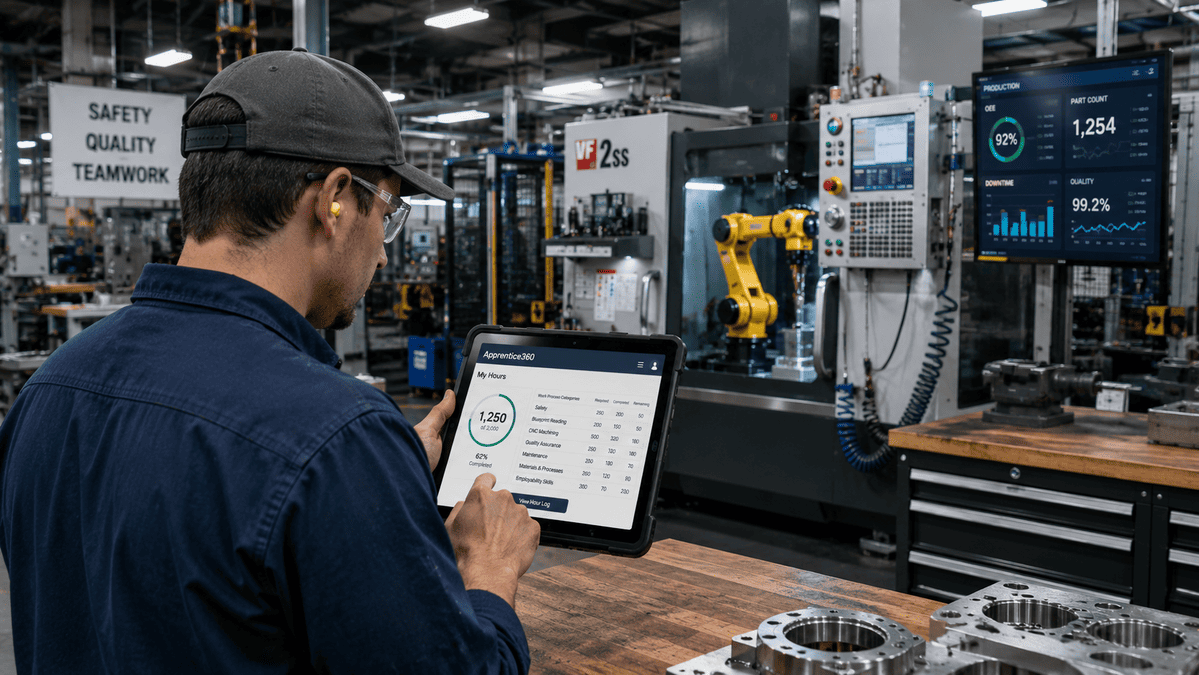
Modern Registered Apprenticeship and work-based learning systems track the transition to journeyman status through a combination of logged hours, competency checklists, RTI transcripts, and certification or licensing exams. Digital platforms designed for this purpose can centralize all of this data, giving employers, schools, and sponsors real-time visibility into who is on track, who needs more time, and who is ready to sit for a journeyman exam. Automated reporting for agencies like RAPIDS, WIPS, and PIRL reduces manual effort and helps cancel out the risk of compliance gaps.
Understanding the journeyman definition matters for workforce planning because it signals a reliable level of skill, independence, and supervisory potential in the talent pipeline. When you know exactly who on your team has reached journeyman status, you can make smarter staffing decisions, assign mentorship responsibilities with confidence, and plan for the long-term development of your workforce.
Why Choose a Journeyman-Structured Path for Training and Workforce Development
The apprentice-to-journeyman-to-master structure is not just a historical curiosity. For organizations building apprenticeship and work-based learning programs, it provides a proven framework for creating clear career ladders, increasing retention, and meeting regulatory and safety standards. When young workers can see exactly what they need to accomplish to reach journeyman status—and what comes after—they are far more likely to stay engaged and committed over the long haul.
Clearly defined journeyman criteria (documented hours, competency benchmarks, exams) help employers, schools, and sponsors communicate expectations without ambiguity. Instead of vague promises of “advancement,” programs built on measurable milestones give every person involved a shared understanding of what progress looks like. For learners, this means transparent goals, nationally or regionally recognized credentials, and a visible line of sight to higher-level roles like foreman, master, or head baker.
From an organizational standpoint, the benefits include:
- Easier workforce planning, because you know exactly how many qualified journeymen are in your pipeline
- Stronger documentation for audits, compliance reporting, and regulatory reviews
- Better collaboration between employers and training providers, since both sides are working from the same competency framework
- Reduced risk of under-qualified workers being placed in roles that demand independent judgment and code compliance
Modern apprenticeship management platforms make it far easier to track OJT hours, RTI coursework, competency completion, and readiness for journeyman exams than legacy spreadsheets or paper-based systems ever could. Automated reporting, real-time dashboards, and centralized records reduce administrative overhead and ensure that nothing falls through the cracks when it is time for an apprentice to advance.
The journeyman definition, at its core, is a practical tool for building a skilled, future-ready labor force. It is not just a label—it is the mechanism that ensures quality, accountability, and upward mobility within every trade it touches.
Taking the Next Step: From Understanding “Journeyman” to Building Better Programs
Understanding the journeyman definition helps individuals plan their career journey and helps organizations design apprenticeship, pre-apprenticeship, and internship pathways that actually produce qualified, independent workers. Whether you are a young person weighing your options or an employer looking to strengthen your talent pipeline, the journeyman milestone provides structure and meaning to every stage of development.
If you are a worker or student, research the apprenticeship opportunities available in your chosen trade and pay close attention to the specific journeyman requirements in your region—hour counts, exam formats, and classroom obligations vary more than most people expect. If you are an employer, school administrator, or program sponsor, now is the time to review your current work-based learning programs and make sure the journeyman stage is clearly defined, measurable, and well-documented. Ask yourself whether your teams can easily see which apprentices are on track, which need additional support, and which are ready to test.
The most effective programs rely on centralized systems that log OJT hours, track RTI completion, record competency evaluations, and generate compliance reports automatically. If your organization is still managing this process with spreadsheets and manual data entry, you are spending time on administration that could be spent on training and mentorship. Explore modern apprenticeship management platforms that can help you launch, manage, or scale high-quality programs—and move your learners to journeyman status with confidence. The workforce you build today depends on the systems you put in place right now.
Want to Learn More About Your Registered Apprenticeship Opportunities?
BOOK A FREE CONSULTATION
Frequently Asked Questions About the Term “Journeyman”
The questions below address the most common points of confusion for learners, employers, educators, and workforce organizations trying to understand what “journeyman” means and how the title is earned.
What exactly does “journeyman” mean today?
Today, a journeyman is a fully trained worker who has completed an apprenticeship, passed required exams, and holds the license or certification needed to work in a specific trade. The definition reflects both formal training and verified real-world experience—not just classroom learning. In practical terms, it means the person can be trusted to handle their work independently, follow codes and safety standards, and contribute to the training of newer workers. The term applies across many trades and, in a broader sense, across many professions.
Is a journeyman higher than an apprentice?
Yes. A journeyman has moved beyond the training phase, passed the required exams, and earned significantly greater responsibility and autonomy. Apprentices typically earn lower wages than journeymen because they are still developing their skills under supervision. The common career ladder runs from apprentice to journeyman to master or supervisor, with each step requiring more documented hours, demonstrated competency, and formal assessment.
Can a journeyman run their own business?
In most trades and jurisdictions, journeymen cannot own businesses until they reach master status. Full contracting authority—including the ability to pull permits, bid on projects, and take legal responsibility for completed work—is generally reserved for master-licensed professionals. However, rules vary by state and trade, and some regions do allow journeymen to work as independent contractors with certain limitations. Because licensing laws are updated regularly, it is always a good idea to check current local regulations before making assumptions about what a journeyman credential authorizes.
What is a journeyman baker?
A journeyman baker is a fully trained, skilled baker who has completed a formal baking apprenticeship or equivalent training program. Their responsibilities include handling complex doughs and fermentation processes, managing production schedules for commercial operations, ensuring consistency and food safety across every batch, and training junior staff on proper techniques. While a journeyman baker operates with considerable independence, they may still work under the direction of a head or master baker who oversees the broader operation.
How long does it take to become a journeyman?
The timeline varies by trade, jurisdiction, and program structure, but the realistic range is two to five years. Electrical apprenticeships, for instance, often require roughly 8,000 hours of on-the-job training—equivalent to about four years of full-time work—plus hundreds of hours of classroom instruction before an apprentice is eligible for the journeyman exam. Journeyman baker programs have historically run two to four years under union agreements. The key variable is how many hours the apprentice can log per week and whether the jurisdiction has additional classroom or testing requirements.
Is “journeyman” a negative term?
In the trades, “journeyman” is decidedly positive. It represents a professional milestone that signals achievement, independence, and the trust of employers and peers. Earning the title means you have put in the time, passed the tests, and proven you can do the work. In casual or metaphorical usage—particularly in sports or entertainment—calling someone a “journeyman” can imply that they are solid and experienced but not necessarily a standout star. Even in that context, the word emphasizes reliability and durability over flash, which many people consider a compliment.