

If you have ever searched “journeyman meaning” and ended up more confused than when you started, you are not alone. The word shows up in job postings, licensing boards, and even casual conversation, but its actual definition and the career path behind it are rarely explained well. This guide breaks down what a journeyman is, how to become one, what the job actually looks like, and why this career stage matters more than ever in 2026.
Table of Contents
- What Does “Journeyman” Mean in Skilled Trades?
- Different Types of Journeymen in Skilled Trades
- Journeyman vs. Apprentice vs. Master
- Journeyman Requirements: Education, Training, and Licensing
- What Journeymen Actually Do: Work Life, Pay, and Career Growth
- The Role of Journeymen in Training Apprentices
- How Modern Apprenticeship Platforms Support Journeymen and Apprentices
- FAQs About Journeyman Meaning and Career Path
What Does “Journeyman” Mean in Skilled Trades?
A journeyman is a skilled tradesperson with formal training who has successfully completed an apprenticeship program and earned a license or credential recognizing full competency in a particular trade. Journeyman status is a middle tier of certification in trades, between apprentice and master. Modern trades still follow the apprentice-journeyman-master hierarchy regulated by licensing boards across North America.
In practical terms, journeymen can work independently without supervision on most standard tasks in their craft. Depending on the state and trade, they may pull permits, lead phases of construction or maintenance projects, and take on complex skilled work. They are licensed to work under a master tradesperson or contracting firm that holds ultimate legal responsibility, but they carry significant day-to-day autonomy.
The word “journeyman” dates back to Medieval times and the guild system, where the term came from the French journée, meaning “day.” A journeyman literally earned a day’s work wage after completing training under a master craftsman. That apprentice-to-journeyman-to-master ladder is essentially unchanged centuries later. The modern terminology also includes “journeyworker” to replace the gendered term journeyman, and you will see both used on licensing forms and in industry guidance.
Outside of skilled trades, the word carries a figurative sense. In performing arts, a journeyman may be a reliable professional without achieving superstar status. In sports, a journeyman player plays for multiple teams throughout their career, valued for competence rather than stardom.

According to Merriam Webster, both the trade and figurative definitions trace back to that same root of a qualified, experienced worker. This article focuses on the trade dictionary definition and the career path it represents.
Different Types of Journeymen in Skilled Trades
Journeyman is not a job title for one specific occupation. It is a status that spans many different types of skilled trades. In 2026, some of the most common journeyman positions include electricians, plumbers, HVAC technicians, carpenters working in carpentry and finish work, welders specializing in welding for structural or industrial applications, pipefitters, ironworkers, and auto mechanics.
A journeyman electrician handles residential, commercial, or industrial electrical work, from installing circuit panels to troubleshooting motor controls. They read blueprints, enforce code compliance, and coordinate with other tradespeople on the job site. A journeyman plumber installs and repairs piping systems for water, gas, and waste, interprets plumbing codes, and performs diagnostic work like pressure testing. HVAC journeymen service heating, ventilation, and air conditioning systems, perform load calculations, and ensure compliance with environmental regulations.
Despite differences in the specific trade, all journeymen share core features: completion of an apprenticeship, an industry-recognized credential, the ability to perform complex tasks with minimal supervision, and often the responsibility to help train apprentices. In Canada, Red Seal certification serves as a journey-level equivalent across provinces. In some U.S. states, licensing is handled at the city or county level rather than statewide, which affects how titles and qualifications appear in job postings and employment records.
Journeyman vs. Apprentice vs. Master
Think of the trade career path as a ladder. An apprentice is at the bottom, a journeyman in the middle, and a master at the top. Each level reflects a different combination of knowledge, autonomy, and legal authority.
An apprentice is a person actively learning a trade under supervision. They split time between on-the-job training and classroom education. Apprentices typically earn less than $25,182 per year, and most apprenticeships last two to five years depending on the trade, location, and program structure. Apprentices usually require 2-5 years of training to advance to journey level.
A journeyman is a fully qualified worker who has completed an apprenticeship and passed a licensing exam. They can handle complex tasks, lead small teams, and take ownership of project phases. A master tradesperson sits at the top, with broad authority to own a contracting business, sign off on permits, and take full legal responsibility for projects. In most trades, only a master or master craftsman can sponsor apprentices at the organizational level and hold the contracting license that covers an entire company.
Journeyman Requirements: Education, Training, and Licensing
The exact requirements to become a journeyman vary by trade and jurisdiction, but the core path is remarkably consistent. Licensing requirements vary by state and trade, so always check with your local licensing board.
Baseline eligibility usually starts with a high school diploma or GED, a minimum age of 18, and meeting physical and safety standards. Some apprenticeship programs accept prior trade school education, relevant military service through programs like USMAP, or an equivalent combination of experience and classroom hours.
The heart of the journey is the apprenticeship itself. Apprentices typically spend 3 to 5 years in a registered program, accumulating around 6,000 to 8,000 hours of supervised on-the-job training plus related technical instruction in a classroom setting. Journeyman licenses require about 8,000 hours of supervised experience in most states. For examples, journeyman electricians in California need 8,000 hours to qualify, and Hawaii requires a full 10,000 hours. States like Alabama allow up to 2,000 hours of education to substitute for OJT, while others offer no substitutions at all.
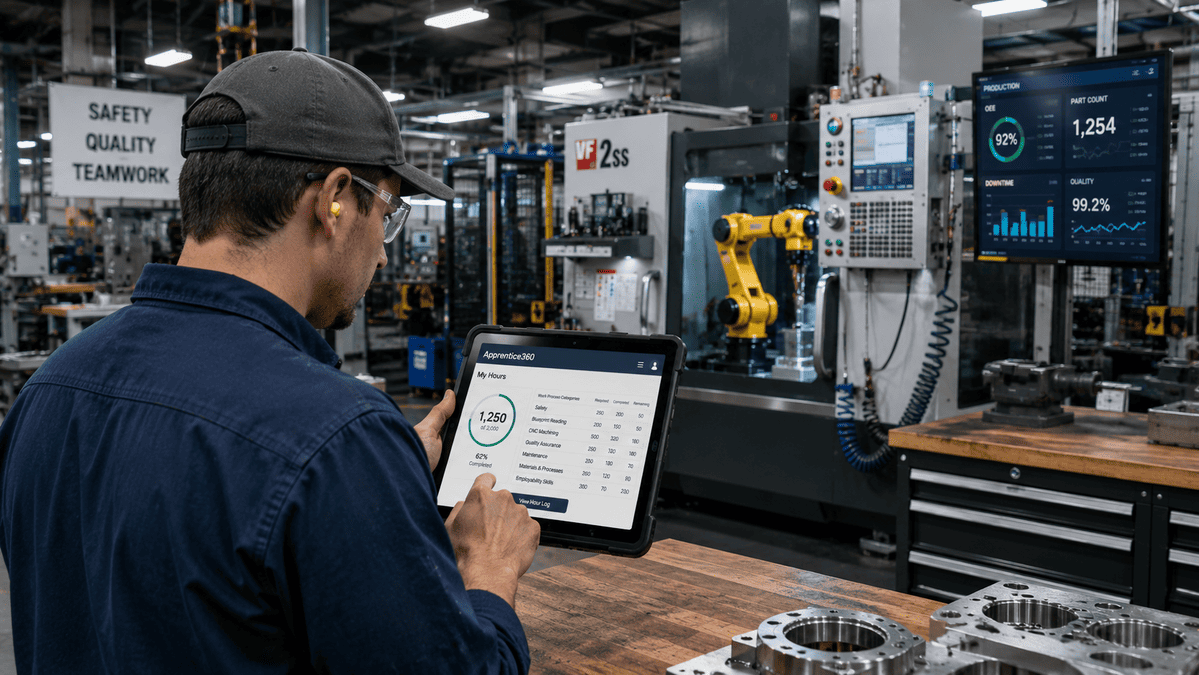
Once hours and classroom requirements are completed, you must pass a licensing exam to become a journeyman. Journeyman certification can involve passing examinations to prove competency in areas like safety codes, blueprint reading, calculations, troubleshooting, and local regulations. A journeyman license signifies advanced skills in a trade and opens the door to higher-paying positions and greater responsibility. Registered apprenticeship programs document every hour and competency along the way, making it far easier to prove you meet journeyman requirements when it is time to sit for the exam.
What Journeymen Actually Do: Work Life, Pay, and Career Growth
Journeyman work life is hands-on, varied, and in strong demand. Skilled tradespeople are always in high demand nationwide, and over 340,000 new skilled trade jobs are projected by 2027-2028. The job outlook for journey-level workers is expected to grow by 5%, driven by infrastructure investment, energy transitions, and ongoing labor shortages in construction and manufacturing.
A typical day might involve reading blueprints for a hospital build, coordinating with other companies and trades on site, installing or repairing systems, documenting completed work, and following safety standards. Journeymen can work independently under a master tradesperson or contracting firm, splitting time between indoor and outdoor environments, new construction and maintenance, and sometimes traveling to remote project locations.
Journeymen can earn around $58,032 per year on average, and journeymen earn significantly more than most non-degree jobs. Compare that to the apprentice wage floor and the earning potential becomes clear. Benefits often include health insurance, retirement plans, overtime, and shift premiums, especially for those employed in union positions. Growth in pay is common as tradespeople add new skills, take on supervisory roles, or specialize in high-demand areas.
Long-term career growth includes moving from journeyman to foreman, estimator, inspector, trade instructor, or master tradesperson. Many journeymen stay at that level for years, enjoying the stability and technical focus. Others pursue a master license, start their own companies, or join the education side of the industry.
The Role of Journeymen in Training Apprentices
Journeymen are the backbone of every apprenticeship program because they are close enough to the tools and tasks to give practical, day-to-day guidance. Journeymen may supervise or mentor apprentices in their trade, demonstrating tasks, checking work against codes, and coaching on safety practices that textbooks cannot fully convey.
Part of being a strong journeyman is the ability to teach clearly: giving instructions, modeling professional behavior with customers and crew members, and helping apprentices log their hours and competencies. This mentoring role builds leadership and communication skills that prepare journeymen for future supervisor or master positions. In modern registered programs, mobile apps and digital tracking systems help journeymen sign off on specific skills as apprentices demonstrate them, reducing paperwork and keeping everyone on the same page.
How Modern Apprenticeship Platforms Support Journeymen and Apprentices
By 2026, many employers, schools, and sponsors use digital platforms to manage apprenticeships, track progress, and stay compliant with federal and state standards. Centralized systems make it straightforward to document every OJT hour, RTI session, and competency sign-off in one place, so nothing falls through the cracks on the journey to journeyman status.
For journeymen who train apprentices, mobile tools eliminate paperwork bottlenecks. Instead of tracking hours on spreadsheets, a journeyman can log a completed task on site in seconds. Organizations gain better visibility into who is approaching exam eligibility, easier reporting for systems like RAPIDS, WIPS, and PIRL, and more confident workforce planning as apprentices move into journey-level roles. Schools and training providers can align classroom instruction with what journeymen are teaching on the job, creating a consistent path from day one of an apprenticeship to the licensing exam.
If you manage or plan to launch an apprenticeship program, explore how GoSprout’s work-based learning platform can streamline tracking, compliance, and support for every person on your team, from first-day apprentice to experienced journeyman. Visit the website to see how it works.
Want to Learn More About Your Registered Apprenticeship Opportunities?
BOOK A FREE CONSULTATION
FAQs About Journeyman Meaning and Career Path
Here are answers to common questions from people considering a future in the trades.
What is a journeyman in simple terms?
A journeyman is a worker who has completed an apprenticeship and can work independently in a specific trade. They hold a license or certification proving competency but have not yet reached master level. The word applies across most trades, from electricians and plumbers to carpenters and welders.
How long does it take to become a journeyman?
Most people spend 3 to 5 years in an apprenticeship before qualifying. The timeline depends on the trade, state rules, total hours completed, and when you pass your exam. Some programs run closer to 4 years for trades like electrical or plumbing.
Do I need a high school diploma to become a journeyman?
Yes, in most cases. A high school diploma or GED is a standard entry requirement for registered apprenticeship programs. Strong math, reading, and science skills are important because the classroom and exam portions rely heavily on them.
Can a journeyman train apprentices?
Yes. Journey-level workers commonly train apprentices on the job, sign off on completed tasks, and help them log OJT hours. The specifics of supervision rules vary by state and trade, but mentoring apprentices is a core part of journeyman practice in the industry.
What is the difference between journey-level and master?
A master holds a higher license that typically allows them to own a contracting business, pull all permit types, and take full legal responsibility for projects. Journeymen can perform most skilled work and lead crews but usually operate under a master’s license or a contracting firm’s authority.
Is journeyman a permanent level or just a step?
It can be either. Many tradespeople build long, stable careers at the journey level, while others use it as a stepping stone toward master certifications, management, or business ownership. Your path depends on your goals, your trade, and the qualifications your state requires.