
Most students make big decisions about courses, programs and first jobs with only a vague picture of what work looks like. Career exploration activities close that gap. They help students discover what they enjoy, see real people doing real jobs, and connect what they learn in school to options after graduation, whether that is college, an apprenticeship, the military or going straight to work.
This guide gives teachers, counselors and CTE coordinators practical career exploration activities for every grade band, from quick classroom lessons to employer-based experiences. You will also learn how to organize activities into a progression and how to document what students gain, so the work counts toward their plans.
Table of Contents
Why Career Exploration Matters
Career exploration gives students a reason to care about school.
When a student sees how geometry is used to frame a roof or how writing skills matter in a hospital, coursework becomes relevant. Exploration also helps students avoid costly detours, such as enrolling in a program that does not fit their interests.
It also widens horizons. Many students only know the careers of people around them. Structured activities expose them to fields they may never have considered, including skilled trades, healthcare, advanced manufacturing and technology roles that often start with an apprenticeship rather than a four-year degree.

The National Career Clusters Framework, modernized by Advance CTE in 2024, organizes the world of work into 14 clusters. It gives you a simple structure for exploration: help students sample several clusters before narrowing down. See our guide to career clusters for how they connect to pathways.
Classroom Career Exploration Activities
These activities need little more than class time and an internet connection:
- Interest inventories: free tools such as the O*NET Interest Profiler on My Next Move match students’ interests to occupations. Have students pick three careers from their results to research further.
- Career research projects: students use CareerOneStop to find pay, training requirements and job outlook, then present a one-page career profile.
- “A day in the life” videos: short workplace videos followed by a discussion of what surprised students.
- Career-connected lessons: teachers link a unit to a real job, such as using measurement in a construction scenario or writing a patient handoff note.
- Pathway mapping: students map the steps from high school to a chosen career, including CTE programs of study, apprenticeships, certificates and degrees.
- Mock interviews and résumés: practice that builds confidence and employability skills at the same time.
Career Exploration Activities with Employers and the Community
Nothing replaces seeing work firsthand. These activities bring students and employers together:
- Guest speakers and career panels: invite professionals from different clusters, including recent graduates who took non-college routes.
- Workplace tours: a visit to a plant, hospital or job site shows students what the work environment is really like.
- Informational interviews: students prepare questions and interview a professional in person or by video.
- Job shadowing: a half day or full day following a professional through their work.
- Career fairs and industry days: work best when students prepare questions ahead of time.
- Internships, pre-apprenticeships and youth apprenticeships: for older students, structured experiences such as high school internships and pre-apprenticeship programs turn exploration into real experience.
How to Build a Career Exploration Progression by Grade
The strongest programs sequence activities so each year builds on the last, moving from awareness to exploration to preparation.
- Elementary (awareness): community helper units, simple interest surveys and classroom visits from local workers.
- Middle school (exploration): interest inventories, career cluster sampling, short research projects and workplace tours.
- High school (preparation): career-focused course planning, job shadowing, internships, pre-apprenticeship, dual enrollment and industry credentials.
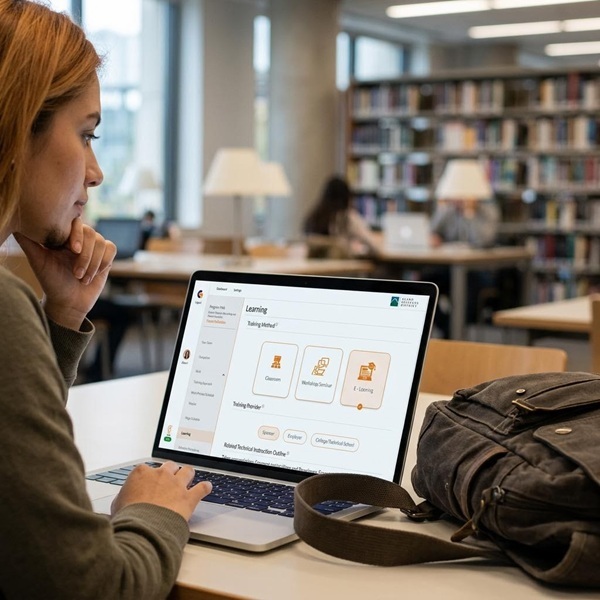
Many states ask students to keep an individual career and academic plan. Link each activity to that plan so students can see their own progress. A coordinated approach, often called career-connected learning, ties these activities together across a district and its employer partners. A work-based learning coordinator usually manages the employer side.
Common Mistakes to Avoid
- Running one-off events. A single career day is a start, but exploration works best as a sequence across years.
- Showing only college pathways. Include apprenticeships, military service, credentials and direct-to-work options.
- Skipping preparation and reflection. Students get more from a tour or speaker when they prepare questions and reflect afterward.
- Relying on the same few employers. Rotate partners so students see a range of industries.
- Not tracking participation. Without records, you cannot see which students have been left out or show results to leaders and funders.
FAQ About Career Exploration Activities
What Are Career Exploration Activities?
They are lessons and experiences that help students learn about careers and themselves, such as interest inventories, career research, guest speakers, workplace tours, job shadowing and internships.
When Should Career Exploration Start?
Awareness can start in elementary school. Middle school is a good time for structured exploration, and high school is when students should gain hands-on experience tied to their plans.
What Free Tools Can Students Use?
My Next Move’s O*NET Interest Profiler and CareerOneStop are free, widely used options for matching interests to careers and researching pay and training.
How Do You Find Employers for Career Exploration?
Start with local chambers of commerce, workforce boards, CTE advisory committees and parents. Many employers welcome tours and speaker visits because they are looking for future talent.
How Can Teachers Fit Career Exploration into Class Time?
Connect it to existing units. A short career-connected example in a math or English lesson, or a ten-minute reflection after a guest speaker, adds exploration without a separate course.
How Do You Measure Career Exploration?
Track participation in each activity, collect short student reflections, and use pre- and post-surveys on career awareness and confidence. Over time, look at course choices and post-graduation plans.
Why Choose GoSprout
GoSprout helps districts and schools manage the work-based side of career exploration. Coordinators can organize job shadowing, internships and pre-apprenticeship experiences, connect students with employer partners, and keep participation, hours and evaluations in one place. That makes it easier to see which students are participating and to report results to administrators and funders.
Next Steps: Plan Your Career Exploration Calendar
Choose two or three activities for each grade band, line up employer partners early, and build in time for preparation and reflection. Then track participation so every student gets a fair share of opportunities. To see how GoSprout can help you organize and track work-based learning, book a free consultation.


