
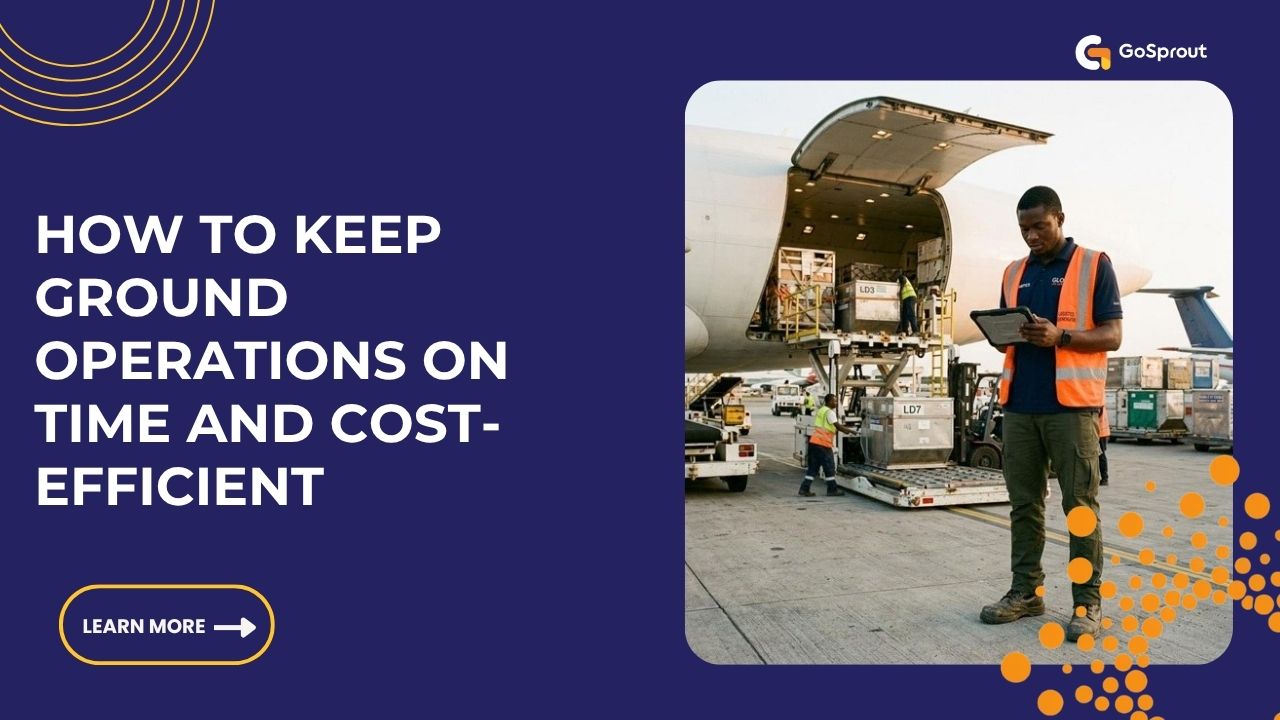
Passenger demand is back, labor is tight, and every missed handoff on the ground can ripple through the network. For airports, airlines, and ground handlers, the question is no longer whether workforce planning matters. It is how quickly the operation can put the right crew, sufficient ground staff, and the correct equipment in the right place.
This page explains how aviation workforce management software saves time, controls costs, and improves operational resilience. You will learn what aviation workforce management is, how it supports seasonal fluctuations and irregular operations, and what to look for in the right solution.
Table of Contents
- Introduction: Why Aviation Workforce Management Software Matters in 2026
- What Is Aviation Workforce Management Software?
- Key Workforce Challenges in Modern Aviation Operations
- How Aviation Workforce Management Software Solves These Challenges
- Core Features to Look for in Aviation Workforce Management Software
- Managing Seasonal Fluctuations and Irregular Operations
- How to Choose the Right Aviation Workforce Management Solution
- Why Choose Our Aviation Workforce Management Platform
- FAQ: Aviation Workforce Management Software
- Conclusion and Next Steps
Introduction: Why Aviation Workforce Management Software Matters in 2026
Global aviation has recovered strongly. ACI World and ICAO reported that 2024 passenger traffic reached about 9.5 billion passengers, roughly 104% of 2019 levels, while IATA projected continued air transport growth into 2025. That demand puts new pressure on flight operations, ground operations, passenger services, and maintenance teams.
At the same time, the airline industry faces a significant labor shortage, particularly in specialized roles such as pilots and aircraft maintenance technicians, which threatens long-term sustainability. Pilot shortages have reached crisis levels due to factors such as mandatory retirements, reduced military pilot output, and increased qualification requirements, which have lengthened training timelines.
Manual spreadsheets and fragmented tools make the problem worse. They hide employee absences, delay roster updates, increase overtime, and make it harder to manage real-time resource allocation when flight times change. The right solution can support on-time performance by saving time, reducing disruption during seasonal fluctuations, and improving the match between staffing needs and real demand.
Aviation workforce management software is a specialized workforce management platform that connects flight schedules, ground handling tasks, crew data, employee data, qualifications, and time recording in one place. In practical terms, aviation workforce management helps operations teams plan, allocate, track, and adjust personnel with the speed the aviation sector now demands.

What Is Aviation Workforce Management Software?
Aviation workforce management software helps airports, airlines, and ground handling providers plan and manage the workforce needed for check-in, boarding, ramp, cargo, baggage handling, security, aircraft servicing, and other services.
At a high level, the system brings together:
- Demand forecasting from flight schedules
- Workforce planning and crew scheduling
- Real-time allocation of people, tasks, and resources
- Time recording for attendance and activity capture
- Reporting, analytics, and data driven decision making
For example, the platform can import daily flight plans, exchange data with turnaround management tools, and integrate with access control, HR, Payroll, finance, and learning systems. Seamless integration with existing systems such as Flight Scheduling, Maintenance Tracking, Payroll, and HR platforms is necessary to avoid data silos.
Generic workforce management tools usually focus on shifts and hours. Aviation workforce management must also account for turnaround milestones, safety-critical qualifications, airside security, airport assets, aircraft status, passenger volume, and operational dependency between teams. It must address the regulatory, safety, and logistical complexity of the industry.
Key Workforce Challenges in Modern Aviation Operations
Efficient workforce planning in aviation must balance service quality, safety, employee satisfaction, and tight cost margins. The main challenges include:
- Demand volatility. Airlines face significant fluctuations in workforce needs due to seasonal changes, market opportunities, and unforeseen disruptions, requiring a flexible approach to staffing.
- Seasonal fluctuations. Summer peaks, winter schedules, holiday waves, European summer congestion, and U.S. Thanksgiving traffic surges can quickly stretch available personnel.
- Skills shortages. The global supply of certified aircraft maintenance technicians is dwindling, creating serious succession gaps as aircraft complexity increases and fewer new technicians enter the workforce.
- High turnover in ground roles. Ground operations roles, including baggage handling and aircraft servicing, experience high turnover rates due to physical demands and competition from other industries offering better working conditions.
- Weak skill visibility. A lack of a well-defined skill taxonomy in the aviation industry hinders the ability to assess skill gaps, forecast future needs, and build strategic training pipelines, exacerbating labor shortages.
- Regulatory complexity. The airline industry operates within one of the most tightly regulated environments, with authorities like the FAA, EASA, and ICAO imposing strict standards that directly impact passenger safety and operational continuity.
- Fragmented data. Outdated processes increase overstaffing, understaffing, and non-compliance with working time regulations.
Irregular operations add another layer. Weather events, ATC strikes, technical problems, flight cancellations, system outages, and natural disasters can all change staffing requirements within minutes. Airlines must maintain operational flexibility to quickly adapt to changes such as flight cancellations, technical problems, or natural disasters, which can impact staffing requirements.
How Aviation Workforce Management Software Solves These Challenges
Modern software connects flight demand, staff availability, and qualifications in real time. It gives planners and supervisors a single operational view so they can maintain coverage, improve efficiency, and reduce costs.
The system automates long-term planning, roster generation, day-of-operations allocation, and post-operational analysis. AI technologies can optimize staff planning in aviation by considering various factors such as work volume, passenger numbers, and past flight schedules to accurately calculate staffing needs. AI integration in shift scheduling helps aviation companies reduce understaffing and overtime by predicting staffing needs based on expected flight operations and passenger volume.
A centralized “Operations Board” or dashboard should provide real-time visibility of aircraft status, crew availability, and live flight following. A robust workforce management system in aviation should provide real-time visibility into available personnel and their qualifications, allowing for quick adjustments in staffing when unexpected absences occur.
Practical gains are simple to understand:
- Automatic schedule imports replace manual entry.
- Drag-and-drop workflows help supervisors reassign teams during disruption.
- Staffing needs are recalculated when flight times change.
- Integrated time recording feeds attendance and activity data into payroll.
- Overtime, idle time, and utilization become visible to management.
AI-supported workforce management systems can also provide real-time data and alerts regarding employee qualifications, ensuring that the right personnel are available for safety-critical tasks in aviation.
For Ground Handling and Airport Service Providers
Ground handlers need to plan check-in counters, boarding gates, ramp teams, baggage crews, cleaning, fueling coordination, and special assistance around live schedules. Effective workforce management in aviation requires integrating flight schedules, employee data, and qualifications to ensure precise task allocation across various services.
The platform can convert flight demand into staffing profiles by terminal, zone, role, and time. For example, a major hub with a morning departure wave can forecast check-in demand from 04:00, ramp peaks around first pushback, and baggage workloads by pier and stand.
Multi-station providers can coordinate resources across several airports, maintain standard processes, and compare resource utilization between stations. This makes it easier to stay ahead of demand without overspending in quiet periods.
For Airlines, Cabin Crew, and Technical Staff
For airlines, the same platform or integrated tools can support crew pairing, crew scheduling, roster management, standby coverage, and day-of-ops decisions for cockpit and cabin crews.
The system must automatically track Flight Time Limitations (FTL), duty and rest requirements, and international regulations like FAA, EASA, and ICAO. It should also alert planners when delays put crew legality at risk.
Maintenance planners benefit as well. By matching skills, certifications, tools, and aircraft type requirements, they can ensure enough qualified technicians are available for scheduled checks and unscheduled repairs, reducing aircraft-on-ground time.

Core Features to Look for in Aviation Workforce Management Software
Not every workforce tool is built for aviation. The right solution must support flight-based operations, compliance, mobile communication, and real-time changes.
Look for these capabilities:
- Demand forecasting
- Shift and roster planning
- Real-time allocation
- Compliance management
- Employee self-service
- Time recording
- Analytics and reporting
- Integrated workflows with airport and airline systems
Choosing the right solution for your airport or ground handling operation is not about the longest feature list. It is about whether the software can support safe, compliant, cost-efficient operations.
Demand Forecasting from Flight Schedules
The system should import seasonal timetables, SSIM files, and daily updates, then translate demand into staff requirements using handling standards. Forecasting should account for passenger loads, historical patterns, known peak times, ski season, Hajj, Golden Week, and other special events.
Advanced tools for “What-If” planning allow for cost analysis and scenario planning useful for collective bargaining agreements and route expansions. Planners can ask what if a new airline contract is added, a route expands, or a departure bank shifts by one hour.
Workforce Planning and Rostering
Modern workforce planning supports annual budgeting, seasonal planning, monthly rosters, and short-term re-planning. Planners can generate schedules for ground staff, security officers, cabin crew, technicians, and passenger services teams while balancing business demands with employee preferences.
The software should account for part-time patterns, rest periods, qualifications, working time regulations, and contract rules. The result is fewer last-minute changes, lower overtime, and better time management.
Real-Time Operations Control and Reallocation
Operations controllers need an integrated dashboard showing flights, tasks, people, equipment, and assignments. If a thunderstorm shifts a bank of arrivals by 90 minutes, the system can suggest where to move ramp, baggage, and boarding teams while maintaining compliance.
Decision support tools help supervisors react quickly without relying on guesswork. This is crucial when delays, diversions, or equipment failures affect multiple stands at once.
Compliance, Qualifications, and Safety
Qualification and training management should maintain detailed digital records of crew licenses, medical certificates, and training history. Airlines must maintain real-time tracking of various certifications, training recertification intervals, medical clearances, and safety briefings to ensure compliance with regulatory requirements, as failure to do so can lead to significant operational risks. Organizations that manage aviation internships may also use aviation internship tracking software to monitor training progress, document learning experiences, and maintain accurate records for compliance purposes.
Compliance in aviation is dynamic, with regulations evolving frequently in response to new technologies, safety incidents, and emerging risks, requiring airlines to adapt quickly to avoid operational delays or regulatory breaches. Rule engines help with ensuring compliance across FAA, EASA, ICAO, local labor law, and union constraints.
Employee Self-Service and Mobile Access
Mobile accessibility is essential for crew members to view schedules and manage assignments in real-time. Employees should be able to request leave, swap shifts, bid for lines, confirm overtime availability, and receive updates without endless calls.
Secure, encrypted in-app messaging and push notifications are important communication tools within aviation workforce management software. They improve transparency and keep staff informed about gate changes, duty starts, and training assignments.
Time Recording, Cost Control, and Analytics
Time recording can happen through badge readers, mobile clock-in, or biometric devices at secure entrances. Actual hours and tasks should flow into payroll, cost accounting, customer invoicing, and performance reporting.
Robust reporting tools should provide insights into crew utilization, overtime costs, and compliance trends to support data-driven decision-making. Dashboards should track punctuality, sickness rates, resource utilization, productivity per handling unit, and planning accuracy.
Managing Seasonal Fluctuations and Irregular Operations
In the aviation industry, workforce management must account for seasonal fluctuations and peak times, ensuring that personnel resources are adjusted accordingly to meet demand. Summer holidays, Christmas, New Year, major sports tournaments, and charter waves all require planning months ahead.
Effective operational flexibility in workforce planning allows airlines to respond to demand fluctuations, ensuring that staffing levels align with passenger volumes and operational needs. The system should support full-time, part-time, temporary, student, and seasonal staff models without creating excess cost in low seasons.
For irregular operations, the best platforms support dynamic re-rostering, standby pools, cross-trained personnel, and multi-skill modeling. Historical disruption data from storms, ATC issues, and system outages can be analyzed to refine contingency rosters and response playbooks.

How to Choose the Right Aviation Workforce Management Solution
Many tools can build schedules. Far fewer can manage the pace, rules, and operational risk of aviation. When evaluating a platform, focus on:
- Aviation expertise across airports, ground handlers, airlines, and flight schools
- Scalability from small flight schools to global carriers
- Integration capabilities with operational and HR systems
- Flexible configuration for contracts, unions, and local rules
- Planner usability and real-time visibility
- Mobile support for staff
- Security, access control, and audit trails
- 24/7 support and implementation quality
Run a pilot at one station, compare optimized rosters against real-life rosters, and involve supervisors, planners, finance, and frontline employees. Proven results matter more than presentation slides, so ask for evidence of reduced delay minutes, lower overtime, and more stable schedules.
Implementation, Change Management, and ROI
Successful implementation is about software, processes, governance, and staff engagement. A typical rollout includes discovery, data collection, prototype configuration, testing with historical schedules, training, and phased go-live by department or station.
A mid-size airport or ground handler may implement a system in 3–9 months, depending on integrations and scope. ROI should be measured through reduced delay minutes, overtime, idle time, planning effort, compliance gaps, and improved employee satisfaction.
For example, a regional airport that replaces spreadsheet rostering with modern workforce planning may reduce manual planning hours, improve coverage during peaks, and maintain more predictable schedules for employees.
Why Choose Our Aviation Workforce Management Platform
We build our platform for aviation operations where every minute, qualification, and handoff matters. Our system supports airports, airlines, and ground handlers that need compliant schedules, real-time control, and practical tools for planners and employees.
Our strengths include:
- Experience supporting 24/7 aviation operations
- Strong optimization for staffing, rosters, and allocation
- An intuitive Operations Board for live management
- Mobile apps for employee self-service and updates
- Integrated reporting for operations, HR, payroll, and finance
- Continuous updates for regulatory change and new operating models
The platform helps ensure the right crew, sufficient ground staff, and compliant schedules across passenger services, ramp, baggage, security, maintenance, and other operational roles. It is also designed to adapt as self-service bag drop, biometric boarding, and changing customer expectations reshape the future of airport services.
If you want to see how the platform could support your operation, you can book a consultation with an aviation workforce expert.
FAQ: Aviation Workforce Management Software
How is aviation-specific software different from generic workforce management?
Generic workforce management usually focuses on shifts, attendance, and payroll. Aviation-specific software also manages flight schedules, turnaround tasks, qualifications, security rules, crew legality, and live operational disruption.
Can it integrate with existing airport or airline systems?
Yes. A strong platform should integrate with flight scheduling, HR, payroll, maintenance, learning, access control, and turnaround systems through APIs or structured data exchange.
How does the system handle union rules and local labor laws?
Configurable rule engines apply rest rules, overtime rules, contract terms, work-hour limits, and local requirements during planning. This reduces manual checks and helps prevent non-compliant rosters.
How does aviation workforce management software help us save time and improve on-time performance?
It reduces manual data entry, automates roster generation, and recalculates staffing when flights change. During disruptions, supervisors can quickly redeploy qualified teams to protect critical milestones.
What is the best approach to seasonal hiring?
Use forecasting to identify peak staffing needs early, then combine permanent staff with temporary, part-time, student, and cross-trained workers. This helps cover peaks without carrying unnecessary costs in low seasons.
What security and hosting features should we expect?
Look for encrypted data, role-based access, audit logs, secure mobile communication, and compliance with regional data protection requirements. Cloud, private cloud, and on-premises options may be relevant depending on your organization.
How many internal resources are needed for implementation?
You will need planners, operations leaders, HR, training, IT, payroll, and frontline supervisors involved. Their input helps configure realistic rules, clean employee data, and design workflows people will actually use.
Conclusion and Next Steps
Aviation workforce management software helps align staffing with flight demand, improve punctuality, control costs, maintain compliance, and create more predictable schedules. It gives management better visibility while helping employees understand where they need to be and when.
Relying on spreadsheets and generic tools is increasingly risky as passenger growth, labor shortages, qualification demands, and regulatory scrutiny increase. The next decade of aviation will reward operators that use data, automation, and flexible planning to make ground handling and flight operations more resilient.
Ready to evaluate a better way to manage your aviation workforce? Request a demo and see how our solution can help your team plan smarter, react faster, and stay ahead.
Want to Learn More About Your Registered Apprenticeship Opportunities?
BOOK A FREE CONSULTATION