Launched July 1, 2026 Workforce Pell is here. Is your institution ready? Learn more
Book a Demo

Employment Outcomes: How Work-Based Learning Translates into Real Jobs
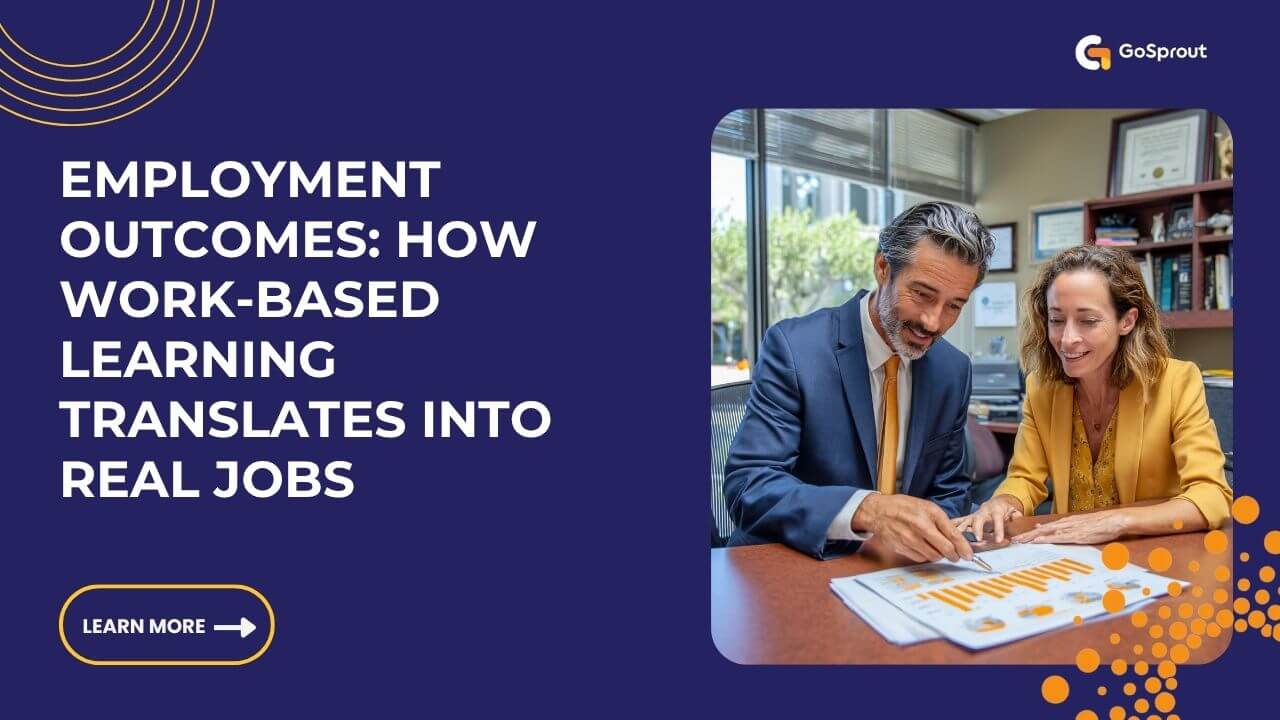
Employment Outcomes: How Work-Based Learning Translates into Real Jobs

A 90 percent placement rate can hide a program where only six in ten graduates actually work in their field. This guide breaks down what employment outcomes really measure, from six and twelve month checkpoints to underemployment and wage data, and shows how bachelor’s degrees, technical diplomas, and apprenticeships stack up against each other. It closes with practical steps for turning that data into stronger program design.
Gainful Employment Regulations: What Educators and Training Providers Need to Know in 2026

Gainful Employment Regulations: What Educators and Training Providers Need to Know in 2026

A certificate program whose graduates earn less than a typical high school diploma holder can now lose its federal funding entirely. The 2024 Financial Value Transparency and Gainful Employment rules tie every non-degree program’s Title IV eligibility to real IRS debt and earnings data, with new student warnings required starting July 2026. This guide breaks down the D/E and EP thresholds, reporting timelines, and what institutions need to do now.

School Employer Partnerships: A Practical Guide to Building, Growing, and Sustaining Work-Based Learning

School Employer Partnerships: A Practical Guide to Building, Growing, and Sustaining Work-Based Learning

School employer partnerships are the bridge between classroom learning and real careers. This guide covers every stage — identifying employer partners, structuring agreements, funding paid experiences, building equitable access, and measuring outcomes — for districts, colleges, and employers ready to build lasting pipelines.

AI Workforce Training: How to Build an AI-Ready Workforce in 2026

AI Workforce Training: How to Build an AI-Ready Workforce in 2026

Generative AI is already embedded in daily work across every industry, but skill development is lagging behind adoption. This guide shows how to design AI workforce training that’s role-specific, equitable, and grounded in real work — including how to blend it into apprenticeships and work-based learning.