Table of Contents
- Why Aviation Workforce Development Matters in 2026
- The State of the Aviation Workforce in 2026
- Key Federal Aviation Administration Workforce Development Grants
- Building the Talent Pipeline: Aviation Education from K–12 Through College
- Application Timelines and Eligibility for Round 4 – 2025 Grants
- Policy, Legislation, and National Collaboration
- Why Aviation Workforce Development Benefits Local and Regional Economies
- Designing Strong Aviation Workforce Development Projects
- Why Choose Our Team as Your Aviation Workforce Development Partner
- FAQ: Aviation Workforce Development Grants and Careers
- Conclusion and Next Steps
Why Aviation Workforce Development Matters in 2026
Aviation is growing again, but the people pipeline is not keeping pace. Airlines, airports, repair stations, schools, and local communities all feel the pressure as aircraft pilots, aviation maintenance technicians, dispatchers, unmanned aircraft systems operators, and air traffic support roles face hiring gaps.
The aviation industry also faces ongoing demographic shifts and a steep retirement rate, necessitating development programs to ensure a steady pipeline of skilled workers. Boeing’s latest outlook projects global demand for about 674,000 new pilots, 716,000 maintenance technicians, and 980,000 cabin crew members over 20 years, while FAA forecasts point to continued growth in UAS and general aviation activity.
Aviation workforce development involves strategic initiatives, training pipelines, and educational partnerships designed to attract, train, and retain skilled aviation professionals. In practice, it connects the federal aviation administration, department of transportation, school systems, universities, airport partners, and industry groups.
The FAA established the Aviation Workforce Development Grant Program to address projected shortages of aircraft pilots and support aviation education and training initiatives. Congress approved the aviation workforce development grants for aircraft pilots through the end of fiscal year 2028, focusing on education, outreach, and recruitment. This article explains the grant programs, pathways, timelines, and next steps.
The State of the Aviation Workforce in 2026
Post-pandemic travel demand, fleet modernization, and new aircraft models have created a tight labor market. The Boeing Pilot and Technician Outlook shows that replacement demand from retirements and attrition is a major part of the challenge, not just commercial fleet growth.
The most pressured roles include regional airline pilots, general aviation flight instructors, Part 145 maintenance technicians, avionics specialists, and UAS operators. Shortages can contribute to flight delays, route reductions, training bottlenecks, and thinner safety margins when organizations cannot staff, inspect, or train at the right pace.
Technological change does not remove the need for people. Advanced avionics, eVTOL concepts, UAS integration, advanced data analytics, and artificial intelligence increase the need for continuous learning. Maintaining safety standards in aviation relies on ongoing, rigorous training to adapt to rapid technological and operational changes safely.

Key Federal Aviation Administration Workforce Development Grants
The FAA, under the department of transportation, administers workforce development grant programs for pilots and aviation maintenance workers. In the FAA Reauthorization Act of 2018, Congress authorized the establishment of an Aviation Workforce Development Grant Program to address projected shortages of aircraft pilots in the aviation industry, and the 2024 law extended authority through fiscal year 2028.
Major federal programs include the Aircraft Pilots Workforce Development Program, the Aviation Maintenance Technical Workers Workforce Development Program, and related education and recruitment initiatives. Each workforce development grant supports outreach, curriculum, recruitment, military transition, and career pathway development; individuals cannot apply directly, but schools, colleges, nonprofits, local government entities, and aviation businesses may apply.
For organizations exploring aviation workforce development, the priority is simple: create a documented system that can provide training, measure outcomes, and connect students with jobs. FAA grant information is available on the agency’s Aviation Workforce Development Grants site.
Aviation Workforce Grants for Aircraft Pilots
The Aircraft Pilots Workforce Development Program is designed to support pilot and aeronautics career training curricula development, recruitment, and deployment. The FAA’s Aircraft Pilots Workforce Development Program aims to expand the aircraft pilots workforce and provide meaningful aviation education to prepare students for careers as aircraft pilots, aerospace engineers, or unmanned aircraft systems operators.
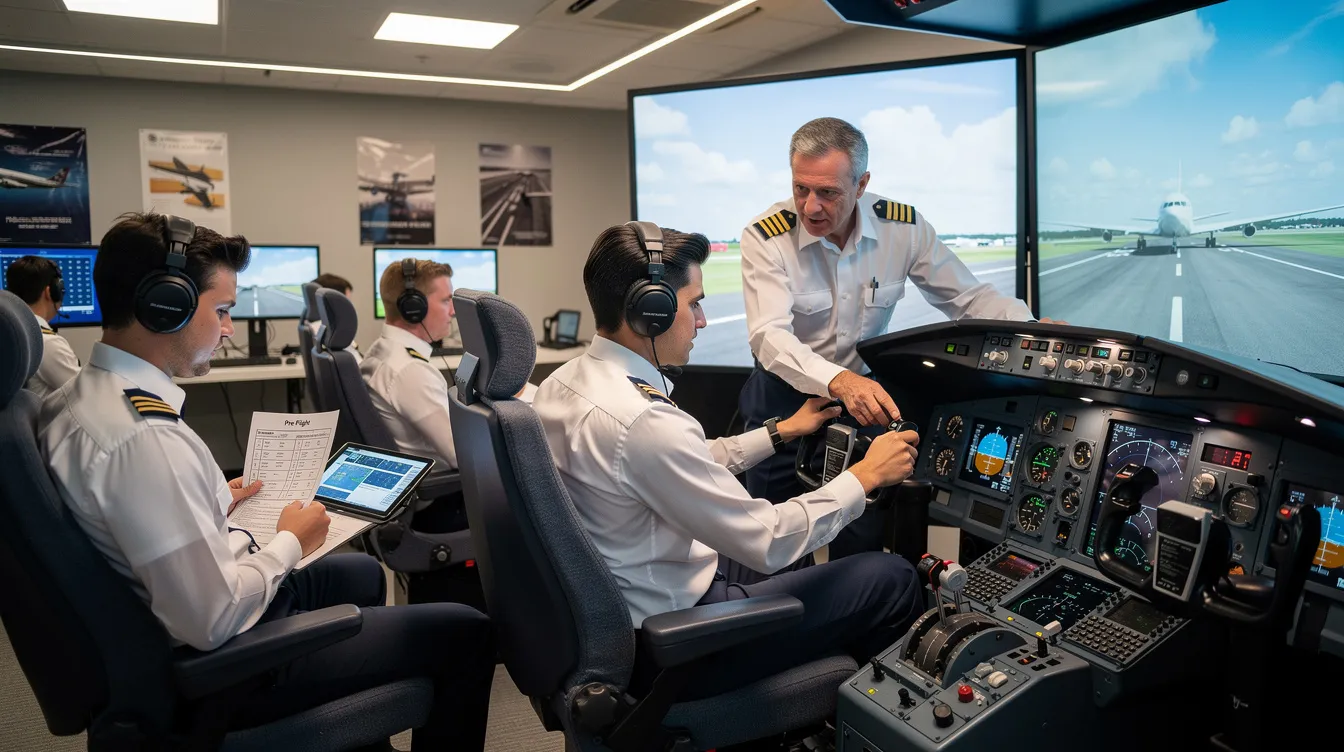
This program funds high school academies, dual-credit flight courses, collegiate labs, simulation, virtual reality, outreach, and programs designed to help transitioning military personnel transfer their skills to the civil aviation sector. Military transition programs facilitate pathways for veterans into civilian aviation roles, leveraging their technical skills and safety standards understanding.
Competitive projects usually include:
- A clear description of the target population and career pathway
- Partnerships with a local airport, school, college, airline, or flight provider
- Recruitment goals for underrepresented and underserved populations
- FAA-aligned curriculum, safety standards, and reporting metrics
- Outcomes such as students trained, Part 107 completions, ratings, or placements
- A recognizable program icon for outreach materials and student engagement
The FAA’s Aircraft Pilots Workforce Development Program supports recruitment and education efforts aimed at increasing diversity within the aviation workforce through outreach and military career transition. Recent awards have funded school students, high school teachers, and UAS training models; for example, FAA award listings show projects supporting rural access, sUAS teacher training, and pilot pathway expansion.
Aviation Maintenance Technical Workers Grant Program
The Aviation Maintenance Technical Workers Workforce Development Program focuses on aviation maintenance technicians, avionics specialists, and related technical workers. With Boeing projecting 716,000 new maintenance technicians globally over 20 years, this program is directly tied to safety, reliability, and fleet modernization.
A model maintenance proposal should cover:
- Part 147-compliant curriculum and current FAA regulations
- Lab upgrades using modern aircraft systems, avionics, and digital tools
- Instructor training and mentorship initiatives for knowledge transfer
- Apprenticeships with Part 145 repair stations, airlines, or manufacturers
- Stackable credentials from high school CTE to A&P certification
- Employer letters showing graduates meet hiring criteria by 2028 or 2030
Apprenticeships and internships help organizations evaluate candidates and build brand loyalty among students. Mentorship initiatives support cultural alignment and knowledge transfer between seasoned professionals and less experienced workers. Many aviation employers also use aviation internship tracking software to document intern progress, monitor learning objectives, and maintain consistent training records across multiple sites.
Building the Talent Pipeline: Aviation Education from K–12 Through College
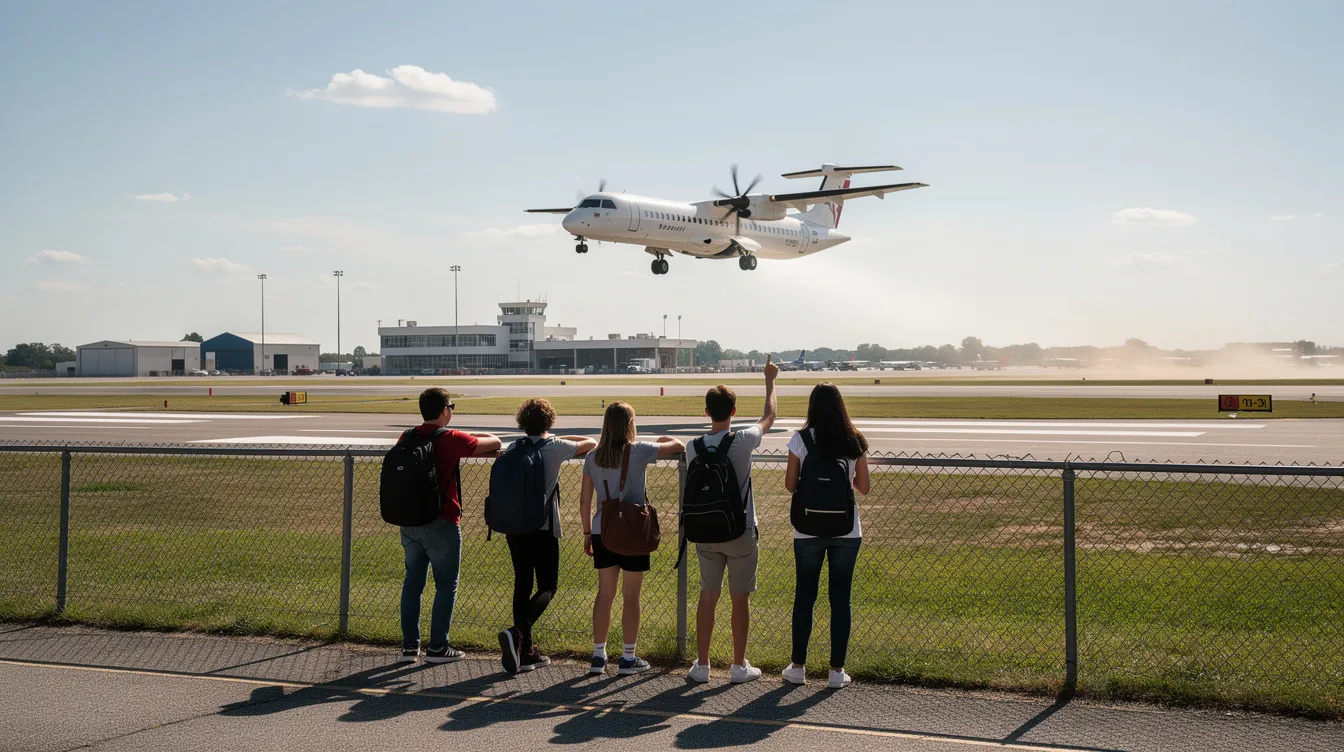
Sustainable workforce development starts early. Pipeline building involves collaborations between schools, universities, and industry groups to expose students to aviation careers early, often through youth STEM and awareness programs, school talks, airport visits, classroom simulators, and guest speakers from local pilots or maintenance technicians.
High school models can include aviation academies, CTE aircraft maintenance pathways, dual-credit college courses, and UAS programs leading to Part 107 certification. Programs targeting high school students and teachers are designed to enrich the diversity of the emerging aviation workforce by providing essential educational and training opportunities.
The FAA’s workforce development initiatives include training programs for high school teachers to prepare students for careers in aviation, focusing on underrepresented and underserved populations. The FAA’s initiatives aim to prepare a more inclusive talent pool of pilots and aviation maintenance technicians, focusing on underrepresented and underserved populations.
Colleges can use grant programs to expand flight capacity, reduce student costs, embed safety management systems into curriculum, and address instructor shortages. Financial support for workforce development includes scholarships and grant programs to lower financial barriers to entry into aviation careers.
Application Timelines and Eligibility for Round 4 – 2025 Grants
The FAA Round 4 – 2025 Aviation Workforce Development Grants application deadline for aircraft pilots is June 22, 2026, at 11:59 p.m. Eastern Time, according to the FAA pilot grant FAQ. Applications must be submitted through Grants.gov, and applicants should establish SAM.gov and Grants.gov registrations early because setup can take weeks.
Typical eligible applicants include accredited higher education institutions, school districts, state and local government entities, nonprofits, and certain aviation businesses working with education partners. A strong package includes SF-424 forms, a project narrative, budget justification, letters of support, evidence of capacity, and a clear compliance check before submission.
Start 3–4 months before the deadline. Hold partner meetings, assign the lead applicant, draft the narrative, confirm budget rules, test Grants.gov access, and document technical issues. Accessibility support is available through Grants.gov by email and phone; please contact support before the final day if the site creates problems.
Policy, Legislation, and National Collaboration
Federal policy shapes aviation workforce development. The FAA Reauthorization Act of 2024 authorizes up to $20 million annually for each major workforce program through FY 2028 and directs broader collaboration on aviation careers, diversity, and national performance measures.
Legislative efforts such as H.R. 3310 and S. 1681, or their current equivalents, have focused on allowing the department of transportation to promote aviation careers through public service announcements and outreach. The proposed National Center for the Advancement of Aviation would help coordinate civil and military aviation education, research, and career pathways.
The best regional strategies combine federal funding, state priorities, local airport authorities, school systems, and industry members. One useful approach is a shared pathway map: 9th grade awareness, 12th grade internship, two-year A&P program or four-year aviation degree, then entry-level aviation job.
Why Aviation Workforce Development Benefits Local and Regional Economies
Aviation creates millions of jobs and has a significant economic impact globally. In the United States, general aviation alone supports roughly 1.2 million jobs and about $247 billion in economic activity, while state examples such as West Virginia show aviation’s billion-dollar regional value.
Airports support agriculture, emergency medical services, freight, business travel, tourism, and manufacturing. That makes aviation education a community priority, not only an airline issue. Rural communities especially benefit when a small airport becomes a training center, employer magnet, and transportation lifeline across the U.S.
Local leaders should view aviation workforce projects as economic development tools. A new university flight program, a regional maintenance apprenticeship, or a UAS training lab can retain youth, attract employers, and create high-skill jobs.
Designing Strong Aviation Workforce Development Projects
Workforce development covers key phases in an aviation professional’s career, including pipeline building, financial support, military transition, and continuous upskilling. Establishing structured career pathways, such as cadet programs, keeps talent motivated in aviation careers.
Use this planning checklist:
- Define the need with labor market information and employer input
- Identify the target students, including rural and underserved communities
- Establish measurable objectives for each year of the program
- Align curriculum with FAA standards and industry hiring needs
- Add tutoring, transportation, stipends, or mentoring where barriers exist
- Use simulation, VR, digital twins, UAS labs, and safety management tools
- Build an evaluation plan for certifications, placements, and retention
- Plan sustainability beyond the final grant year
Continuous learning is essential for airlines and airports due to rapidly evolving digital technologies and aircraft models. Continuous upskilling focuses on training the existing workforce on modern technologies such as advanced data analytics and artificial intelligence.
Why Choose Our Team as Your Aviation Workforce Development Partner
Our team helps organizations turn an opportunity into a fundable, practical aviation workforce program. We support concept development, grant writing, partnership design, implementation planning, compliance, evaluation, and reporting through the final year of funding.
In addition, we can help create pilot, UAS, aerospace, and aviation maintenance pathways; organize partner roles; build a budget; and prepare the narrative section so the project is easy to review. We also help partners support the education of school students, teachers, veterans, and working professionals with transparent goals and measurable results.
If your airport, school, college, or community organization would like to prepare for upcoming federal grants, please contact us to scope a project before the next funding window.
Want to Learn More About Your Registered Apprenticeship Opportunities?
BOOK A FREE CONSULTATION
FAQ: Aviation Workforce Development Grants and Careers
Who is eligible for FAA workforce grants?
Eligible applicants usually include schools, colleges, universities, nonprofits, state and local agencies, and qualified aviation organizations. Individuals cannot apply directly for FAA workforce development grants.
Can students receive direct tuition support?
FAA awards generally go to organizations, not individuals. However, funded programs may include financial support such as scholarships, supplies, training access, or reduced-cost instruction when allowed by the NOFO.
How often are competitions announced?
Competitions are announced by fiscal year and depend on congressional funding. Applicants should monitor FAA pages and Grants.gov for the latest NOFO, application forms, and deadline information.
What careers are supported?
Supported pathways include aircraft pilots, maintenance technicians, UAS operators, aerospace engineers, airport operations staff, instructors, and related aviation roles.
How long do projects last?
Many FAA projects run 12–24 months, though some program designs would extend local partnerships beyond the grant period. Recent awards can reach up to $1 million.
How can programs engage underrepresented students?
Start early, partner with trusted community groups, train high school teachers, offer transportation or stipends, and use mentors who reflect the communities being served.
How should local initiatives align with national priorities?
Align with FAA safety, innovation, workforce diversity, and technology goals. Include clear metrics, an inclusive recruitment plan, and a curriculum tied to FAA regulations.
Conclusion and Next Steps
The aviation workforce challenge is large, but it is solvable with coordinated development, strong grant programs, and practical education pathways. Now through at least fiscal year 2028 is a critical window to secure federal funding, build durable programs, and strengthen regional aviation ecosystems.
Start by assessing your current training capacity, identifying partners, and mapping a multi-year strategy. Then create a focused application plan with realistic outcomes, employer support, and a sustainable funding model.
If you are ready to build the next generation of aviation talent, contact our team for support with planning, partnership development, or upcoming grant applications. The future of safe, sustainable air transportation depends on a diverse, highly skilled aviation workforce prepared for 2030 and beyond.


