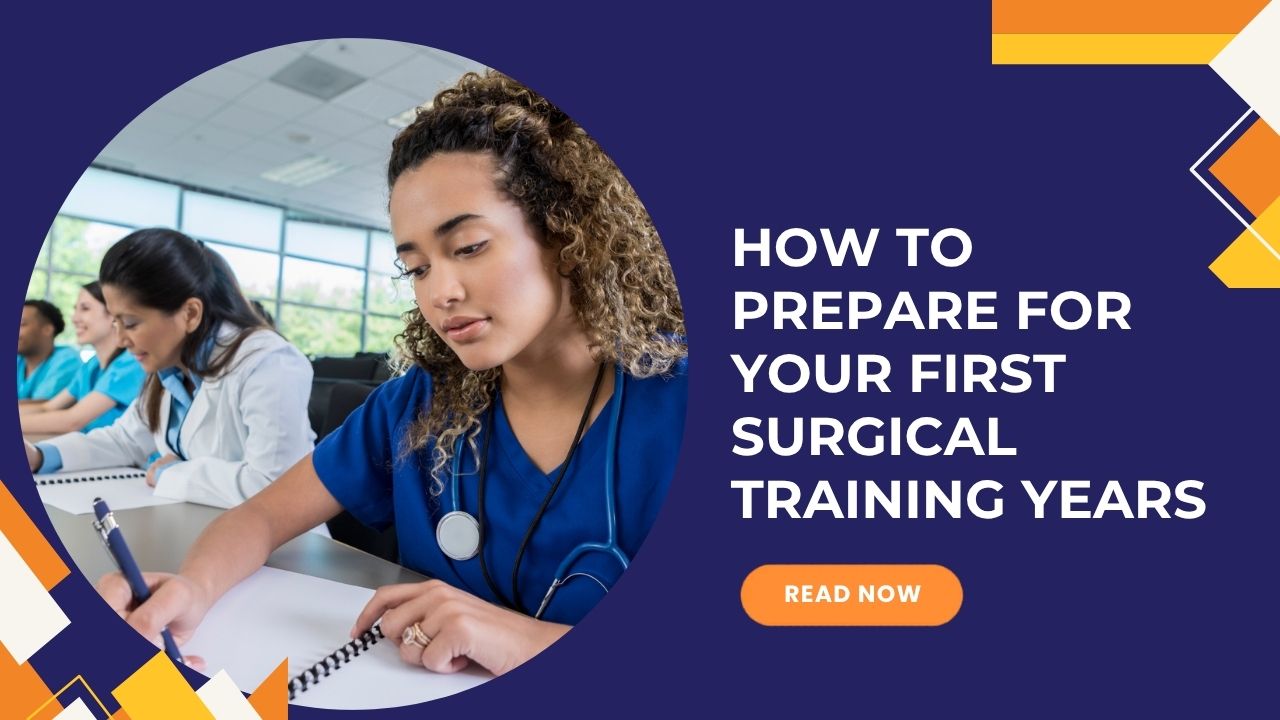
If you are an AP student thinking about F, “readiness” can feel far away. Yet the habits you build now-science fluency, disciplined study, clinical curiosity, and professional behavior-shape how prepared you may be for medical school and residency.
This guide explains how ACS-style expectations connect to AP coursework, premed training, Anatomy and Physiology, and the American College of Surgeons Entering Resident Readiness Assessment, with practical information updated for 2026.

Table of Contents
- Understanding ACS and “Readiness” in Surgical Education
- Academic Foundations: From AP Courses to Premed and Beyond
- Building Early Clinical Skills and Judgment Before Medical School
- Using ACS Resources and the Entering Resident Readiness Assessment as a Roadmap
- Timeline: From High School AP Student to “Ready” Surgical Intern
- FAQ: Common Questions About Surgical Readiness for AP and Premed Students
- Conclusion & Next Steps
Understanding ACS and “Readiness” in Surgical Education
The American College of Surgeons, or acs, is a major professional organization influencing surgical education, standards, patient safety, and training across the United States. Its education division has developed tools that help a program director understand how a new resident thinks through challenging clinical situations.
What readiness really means
Readiness is not just knowing facts. It means applying knowledge safely: recognizing emergencies, choosing next tests, escalating care, communicating with a group, and showing professional judgment under time pressure. For future surgery trainees, readiness includes clinical reasoning, teamwork, resilience, and management decisions.
The ACS Entering Resident Readiness Assessment (ERRA) is an online, case-based tool designed to measure the preparedness of entering surgical residents, focusing on clinical decision-making skills. AP students do not take it, but understanding its areas helps you learn what future medical training will expect.
Academic Foundations: From AP Courses to Premed and Beyond
Strong AP and college academics make later ACS-style assessments easier because they build the science behind diagnosis and treatment. The AP Readiness (APR) Program is designed to prepare students for college-level coursework and high-stakes exams, and that mindset fits surgical preparation well.
Priority AP courses include:
- AP Biology for cells, genetics, physiology, and disease mechanisms.
- AP Chemistry and AP Physics for biochemistry, fluids, pressure, imaging, and instrumentation.
- AP Statistics for interpreting risk, trials, and diagnostic data.
- AP Psychology for communication, behavior, bias, and stress.
- AP English Language or Literature for reading research and writing clear notes.
In Anatomy and Physiology, labeling diagrams and understanding the structural features of tissues are important skills. Understanding physiological feedback loops and how organ systems interact is crucial for Anatomy and Physiology. To efficiently prepare for Anatomy and Physiology exams, students must integrate knowledge rather than rely solely on memorization. Active recall and visual recognition are essential for effectively studying Anatomy and Physiology. These same habits also support ACS readiness for A&P students who plan to pursue future medical and surgical training.
The Human Anatomy and Physiology Society (HAPS) administers most national Anatomy & Physiology cumulative exams. Standardized Anatomy and Physiology exams test core competencies rather than obscure trivia. Simulating test conditions with timed mock exams helps build stamina and speed for comprehensive exams. Students should prioritize their study schedule around their weakest structural or physiological concepts first.
Many Anatomy and Physiology programs are hosted by major university networks and include rigorous weekend seminars led by master instructors. Aim for consistent A-level performance by late junior year, then continue with college general chemistry, organic chemistry, biology, physics, and biochemistry.
Building Early Clinical Skills and Judgment Before Medical School
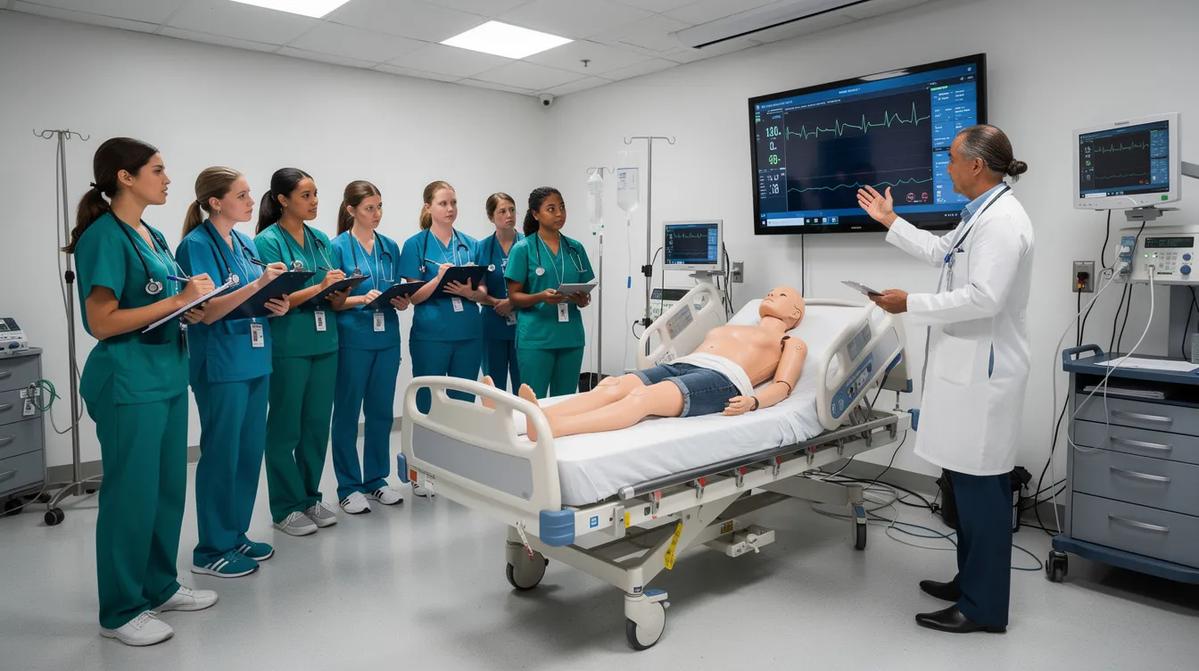
AP students cannot perform procedures, and they must never attempt unsupervised clinical activities. But they can build valuable habits that mirror ACS expectations.
Shadowing & Volunteering
Volunteer in hospitals or clinics, shadow physicians when allowed, and explore general surgery, trauma, acute care, or EMS ride-alongs where permitted. Use every experience to notice workflow: who sees the patient, what information matters, and when someone calls for support.
Case-Based Learning
Use public case banks, pre-health problem-based learning modules, and medically oriented MOOCs. Focus on the logic: symptom, anatomy, physiology, differential diagnosis, test, and first management step.
Reflective Practice
After each experience, write a short review. Summarize the patient in one sentence. List three possible diagnoses. Identify the next best test. Explain what warning sign would require urgent help. Over time, this develops clinical judgment before formal medical school.
Using ACS Resources and the Entering Resident Readiness Assessment as a Roadmap
For readers searching acs readiness for ap students, the key idea is to work backward from residency-level skills while staying appropriate for your current stage of education.
According to the American College of Surgeons, the assessment consists of 40 short clinical cases that cover 20 essential clinical topics, allowing residents to demonstrate their decision-making skills at the start of their residency training. The ACS ERRA assessment includes approximately 120 questions across 40 clinical cases, which are designed to evaluate the decision-making skills of entering surgical residents.
Residents are allowed up to three hours to complete the ACS ERRA assessment, with an average completion time of approximately two hours. The cost of the ACS Entering Resident Readiness Assessment (ERRA) is $150 per resident. In 2026, enrollment runs March to June, with administration typically from mid-June to early July.
Results from the ACS ERRA can be used to identify strengths and weaknesses in residents’ decision-making skills, which can inform individualized learning plans and curricular changes for residency programs. The ACS ERRA provides individualized score reports for each resident, identifying specific areas of strength and weaknesses that need to be addressed, which can be used to develop personalized learning plans. The results from the ACS ERRA can support the creation of individualized learning plans by identifying strengths and weaknesses in residents’ decision-making skills, which can inform discussions about levels of supervision and curricular changes.
An Individual Learning Plan (ILP) template is included with each individual score report from the ACS ERRA, designed to facilitate conversations between the program director and resident to help define focused learning goals and specific actions. As you advance, note future resources such as ACS resident prep courses, Military Clinical Readiness Curriculum content, and boot camp-style educational development before PGY-1.
Timeline: From High School AP Student to “Ready” Surgical Intern
In grades 10–12, choose rigorous AP STEM courses, strengthen time management, seek healthcare exposure, and email mentors or local programs about observation opportunities.
Once in college, complete premed requirements, protect your science GPA, prepare for the MCAT, join a pre-health or surgery interest group, and pursue research in surgical, critical care, or biomedical areas.
In medical school, master anatomy, physiology, pathology, and professional communication. During clerkships, learn from feedback, study common postoperative problems, and seek sub-internships in general surgery or trauma.
In the 6–9 months before residency, review ERRA-style topics, use case-based question banks, ask whether your residency uses ACS assessments, and build a full boot camp study plan.
Key milestones:
- High school: AP science, volunteering, study systems.
- College: prerequisites, MCAT, research.
- Medical school: clerkships, sub-internship, surgical skills.
- PGY-1 transition: ERRA review, ILP planning, supervised growth.
FAQ: Common Questions About Surgical Readiness for AP and Premed Students
Do AP courses really matter once I’m in medical school and residency?
Yes. AP courses build the mechanisms, reading stamina, and problem-solving skills you will need later.
Can a high school student access ACS materials?
Some ACS information is public, but many resources are for medical trainees. Start with topic lists, safe observation, and supervised educational programs.
When will I actually take an ACS readiness assessment like ACS‑ERRA?
Usually at the start of surgical residency, not in high school, college, or early medical school.
How can I practice clinical decision-making if I’m not licensed?
Use cases, reflection journals, anatomy review, and mentor discussions. Do not diagnose or treat patients independently.
Does my college major affect future surgical readiness?
Any major can work if you complete prerequisites and build strong scientific knowledge, discipline, and professionalism.
How are ACS‑ERRA results used by programs?
Results guide curriculum, supervision conversations, and individualized learning plans, so the test should reassure-not intimidate-new trainees.
Conclusion & Next Steps
ACS-style readiness for AP students starts with strong academics, deliberate clinical exposure, and early practice in structured reasoning. Formal ACS assessments come later, but knowing their focus helps you work backward from what a safe new surgical resident must do.
Map your path from your current grade to PGY-1. Choose AP and college courses intentionally, seek mentorship from surgeons or residents, and bookmark the linked readiness page for updates. The goal is not just to pass assessments; it is to enter training prepared to provide thoughtful, safe care from day one.
As you work toward your goals in medicine and surgery, having access to reliable educational resources can make a significant difference. Visit our website to explore additional guidance on ACS Readiness for AP Students, surgical education pathways, clinical skill development, and long-term career planning. Whether you’re building a strong academic foundation or preparing for future medical training, our resources can help you stay informed and focused on the next steps in your journey.
Want to Learn More About Your Registered Apprenticeship Opportunities?
BOOK A FREE CONSULTATION